






























Anandloke Multi Speciality Hospital Where Cleanliness is Clinical Care

A hospital’s reputation is no longer built only on its surgeons or scanners. Patients judge it first by what they see and smell. In conversation with Samaresh Acharya of Clean India Journal, Dr Ashok Khandelwal, Vice-President & Medical Director, Anandaloke Multi Speciality Hospital, Siliguri, makes the case plain: Cleanliness is not a support function. It is clinical care. And when done right, it directly drives recovery, lowers infection rates, and protects a hospital’s brand.
Hospital-acquired infections are expensive in every sense. The four big culprits are: Catheter-related urinary tract infections, ventilator-associated pneumonia, central line infections, and surgical site infections. All trace back to contaminated devices, surfaces, equipment, and hands.

The economics are stark. Investing in hygiene upfront can reduce HAIs by 50% to 70%. That means avoiding prolonged ICU stays, expensive antibiotics, and in some cases, mortality.
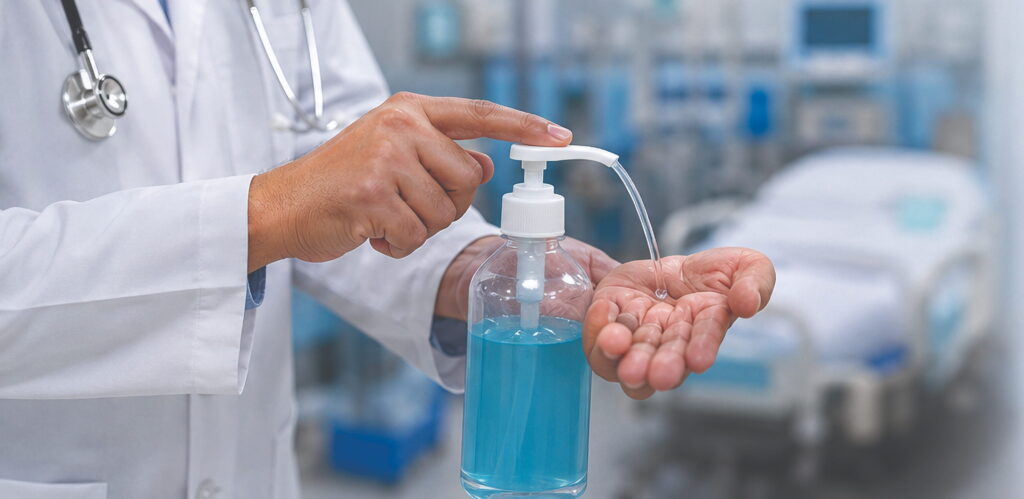
Hand hygiene alone delivers the sharpest return. A simple handwash can give a 16-times ROI by preventing infections. Yet many wards, even ICUs, still lack adequate handwashing facilities. Add inconsistent disinfection, poor equipment validation, and gaps in training, and you have a system where awareness lags behind evidence.
Infrastructure Shift
For years, hygiene budgets were limited to ICUs and OTs. That is changing.
Accreditation is the biggest lever. Around 10% of Indian hospitals are NABH accredited, and they set the benchmark. They have dedicated infection control nurses, hygiene champions, and higher spends on hand hygiene stations and disinfectant technologies.
Regulatory pressure is spreading this culture. NABH, NQAS, and government audit programmes now demand documented infection control. Insurers are asking for HAI data and antibiotic usage before empanelment. Pandemic further accelerated awareness.
We are seeing a strategic shift even in Tier 2 and Tier 3 hospitals. Government monitoring, payer demands, and patient expectations are forcing investment. Clean air systems in OTs are now mandatory capital expenses. Monitoring technologies are emerging, though adoption remains uneven.
“Hand hygiene alone can give a 16-times return on investment by preventing infections”— Dr Ashok Khandelwal
Vice-President & Medical Director, Anandaloke Multi Speciality Hospital, Siliguri
Measured Clean
Clean cannot be a feeling. It must be data.
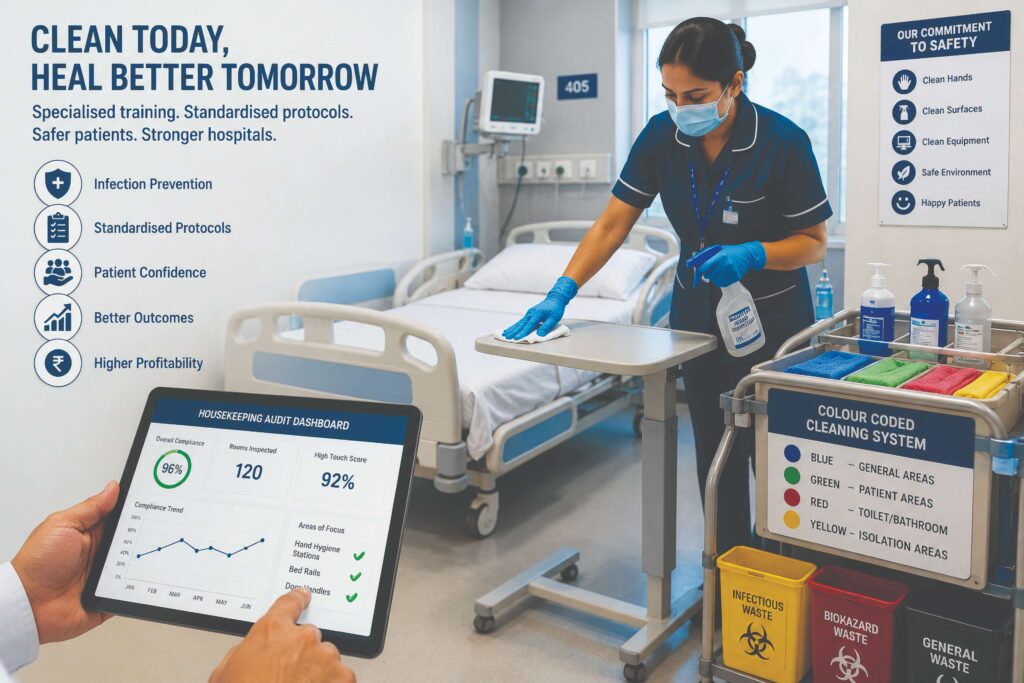
As part of NABH compliance, hospitals are moving to scientific monitoring. This includes regular audits, ATP swab testing, and tracking infection rates for CLABSI, SSI and VAP on a monthly basis. Hand hygiene compliance and housekeeping frequencies are logged. HEPA filter efficacy in high-risk areas is validated every six months.
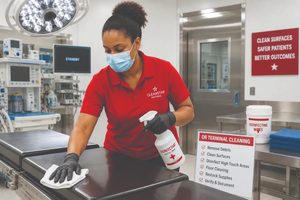
Guidelines now specify which chemicals to use, at what frequency, and how sterilization must be validated. Larger hospitals use dashboards. Smaller ones still rely on reactive swab testing after an infection occurs.
The goal is visibility. When you measure, you find the gaps. When you find the gaps, you fix them before they become outbreaks.
Faster Healing
Cleanliness affects patients in two ways — physically and psychologically.
Physically, a clean environment means fewer pathogens. That reduces the load on a patient’s immune system so white blood cells can focus on healing, not fighting new infections. Psychologically, it reduces stress.
A clean room triggers recovery-enhancing hormones. Patients are less anxious, they sleep better, and they heal faster.
Patients themselves are the harshest auditors. They judge quality from the reception, toilets, and bedside. Visible cleanliness builds trust instantly. For optimizing workplace environments, we adopt a highly effective framework in the form of ABCDE mnemonic: Aesthetic assurance, Brand reputation, Cost reduction, Disease prevention, and Employee engagement. In healthcare, what people see is what they believe.
Leadership Role
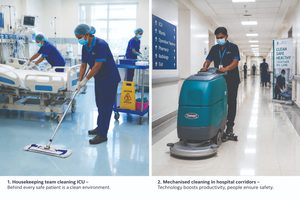
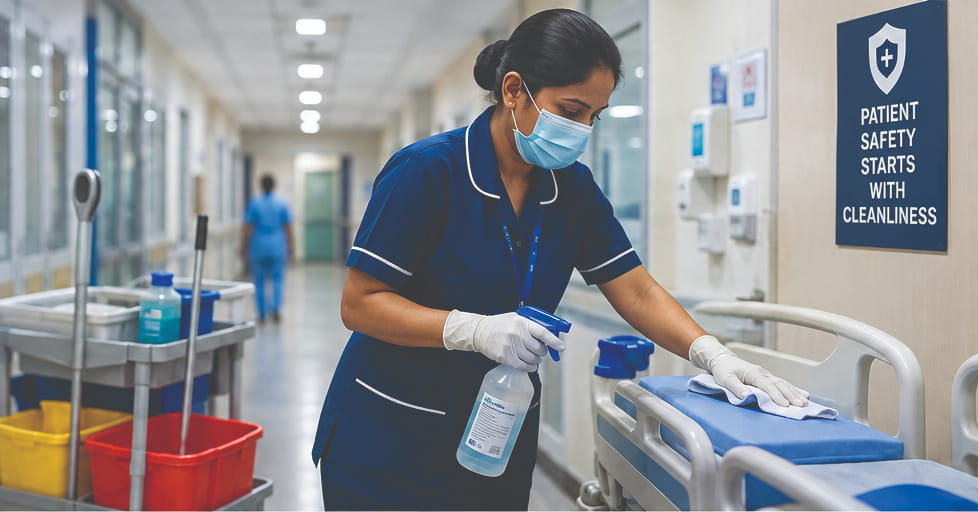
Housekeeping teams carry the heaviest load, but their impact depends entirely on leadership priority. Accredited hospitals budget more for housekeeping, invest in better tools, and train teams continuously. Technology — from digital checklists to monitoring sensors — is entering the space, but unevenly.
When hospital leadership treats safety as non-negotiable, resources follow. Clean workplaces also improve staff morale. Lower staff infections mean lower absenteeism and better patient care.
Cleanliness is a shared responsibility — it involves doctors, nurses, housekeeping, patients, and visitors. But it starts at the top.
Future Pressure
The direction is clear. Government programmes, accreditation mandates, and payer requirements are creating a three-layered push for hygiene. Post-COVID awareness has not faded. If anything, patients now ask tougher questions. They want to know cleaning protocols, not just doctor qualifications.
This momentum will continue. Standards that began in metro hospitals are now reaching smaller facilities. That is how we will bring down the national HAI burden.
For hospitals, the message is simple. You can spend on treating infections, or you can spend on preventing them. One costs money and lives. The other builds trust. In the end, the cleanest hospital may also be the most profitable — and the most trusted.