










































About Hygiene
The Hygiene section is written for hospital housekeeping and infection-control teams, food businesses and the facility managers who run hotels, railways and airports. It brings together practical guides, expert interviews, product news and FSSAI updates.
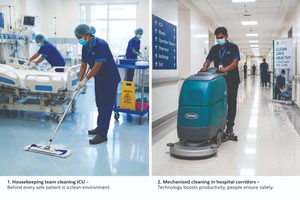
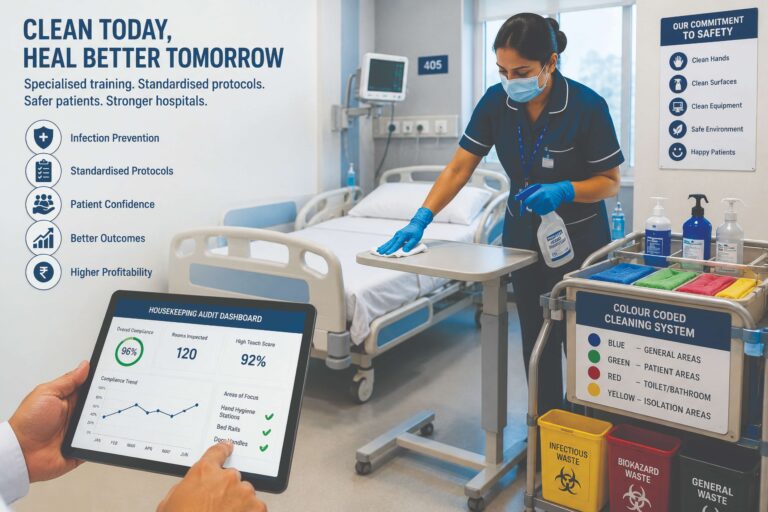
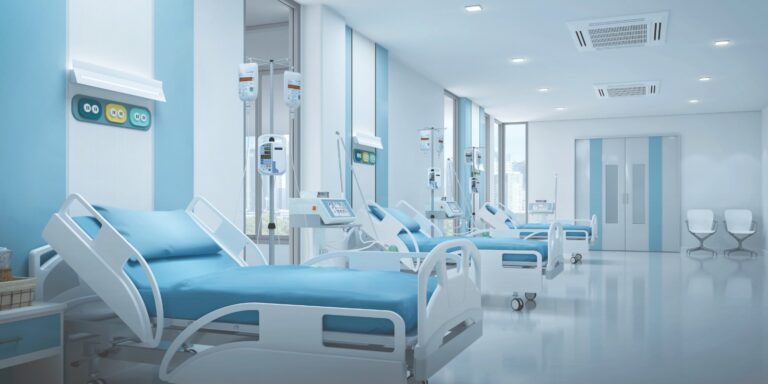
For hospitals, a microbiologist sets out parameters for judging a disinfectant and the gaps in India's protocols, a hospital housekeeping head describes the technology changing infection control, and another piece explains why washrooms remain the weakest link. A further article looks at the logic behind critical area cleaning in hospitals, food factories and packaging plants.
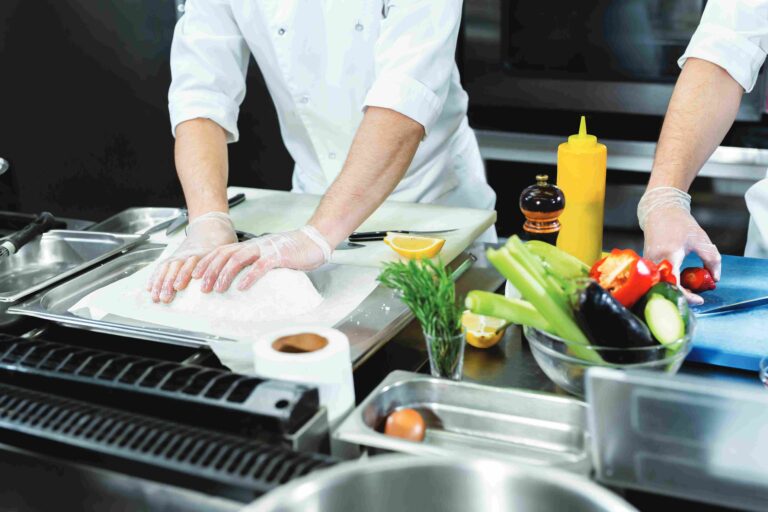
Food hygiene coverage runs from glove use and FSSAI's clean street food hub programme to cloud kitchens, QSR chains, industrial kitchens and a Mumbai seafood kitchen. The section also tracks air quality and odour monitoring on trains and in airports, fragrancing in hotels, sanitary napkin disposal and bio-enzymatic cleaning products.
Start here
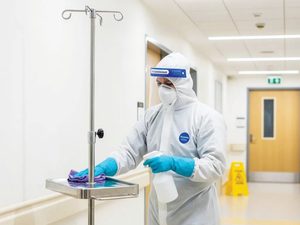
- An infection control specialist’s guide to choosing the right disinfectant A microbiologist's parameters for judging a disinfectant, and the gaps in India's protocols
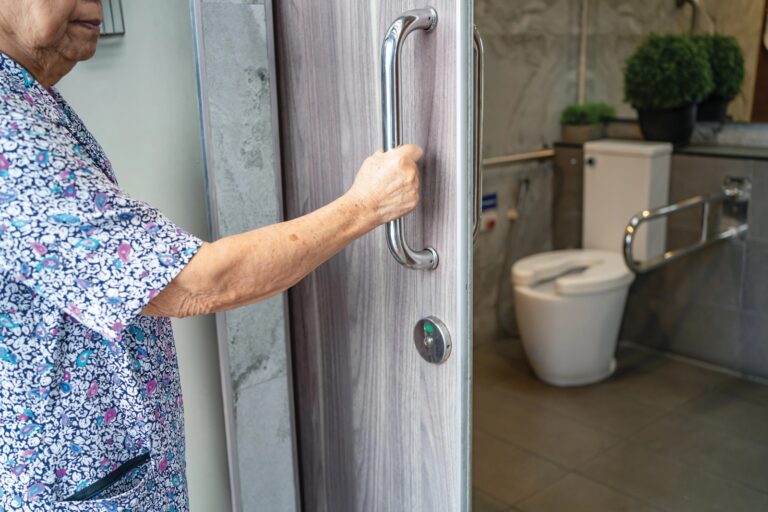
- Even the Cleanest Hospitals Can Still Fail Why hospital washrooms remain the weakest link in infection control
- Technological Advancement in Infection Control Max Healthcare's housekeeping head on the technology changing hospital cleaning and infection control
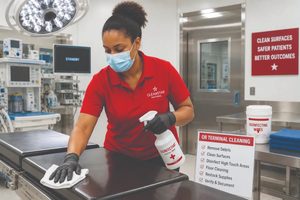
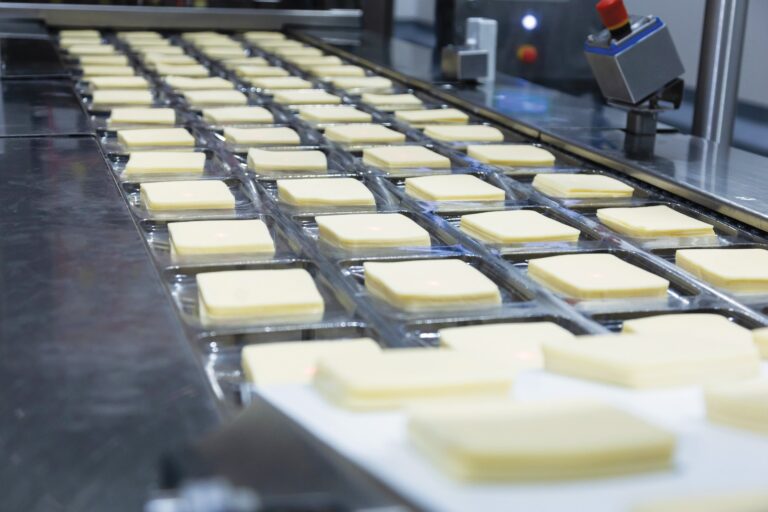
- Critical Area Cleaning : The Hidden Logic Behind Life-Saving Hygiene The logic behind critical area cleaning in hospitals, food factories and packaging plants
- Gloves – Maintaining Food & Hand Hygiene Standards Why gloves matter for food and hand hygiene, explained by a Diversey specialist
- Hygiene and Cleaning Practices for QSR and Hotel Industries Why cleaning and hygiene underpin consumer confidence in QSR chains and hotels
- Keeping Cloud Kitchen Clean Hygiene risks in cloud kitchens, where prepared food falls in the high-risk category
- As India eyes becoming the ‘Kitchen of the World,’ food hygiene is no longer optional An FSSC India representative on the changes India's food industry needs on hygiene
Questions readers ask
Why are hospital washrooms an infection risk?
They are high-touch zones used by patients, staff and visitors, including people who are immunocompromised. They are highly susceptible to microbial contamination and can become hotspots for spreading healthcare-associated infections. Read the article
Why do food handlers wear gloves?
Gloves protect hands, maintain hygiene and avoid contamination. Cuts or lesions on the skin of people handling food are also possible sources of bacteria and viruses. Read the article
What is FSSAI's Clean Street Food Hub programme?
Under this FSSAI programme, street food clusters are audited for cleanliness and hygiene by FSSAI and state authorities, so that people can eat without worrying about hygiene. Read the article
Why does hygiene matter so much in cloud kitchens?
Prepared food falls in the high-risk category, because microbes passed unintentionally from one object to another can contaminate it and cause illness. Read the article