



























Viveka Hospital Where Safety Has Its Own Soundtrack

250 Average Daily OPD Footfall
95 housekeeping personnel
5 Operation Theatres
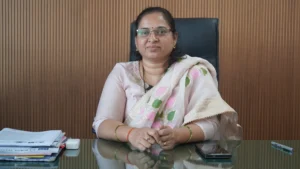
In a city fast emerging as Central India’s hospital care hub, Viveka Hospital is betting on something simple: Make hygiene audible, visible and measurable. Because in 2026, cleanliness is no longer housekeeping. It is clinical care. Special Correspondent Samaresh Acharya interacts with Priyanka Pawar, CEO, Viveka Hospital.

Attention staff, it is time for handwash” is a jingle that plays on Viveka Hospital’s public address system every hour during the day. In a city fast emerging as Central India’s hospital care hub, Viveka Hospital is betting on something simple: Make hygiene audible, visible and measurable. Because in 2026, cleanliness is no longer housekeeping. It is clinical care.
Silent Observations
At Viveka, infection prevention is treated as part of patient safety, not as a support function. The hospital follows standardized infection control protocols across all clinical and non-clinical areas. Daily silent observations are conducted by the Infection Control Team without prior announcements or warnings to monitor compliance with hand hygiene, PPE usage, and environmental cleaning, allowing for immediate observation and correction.
Checklists and Audits
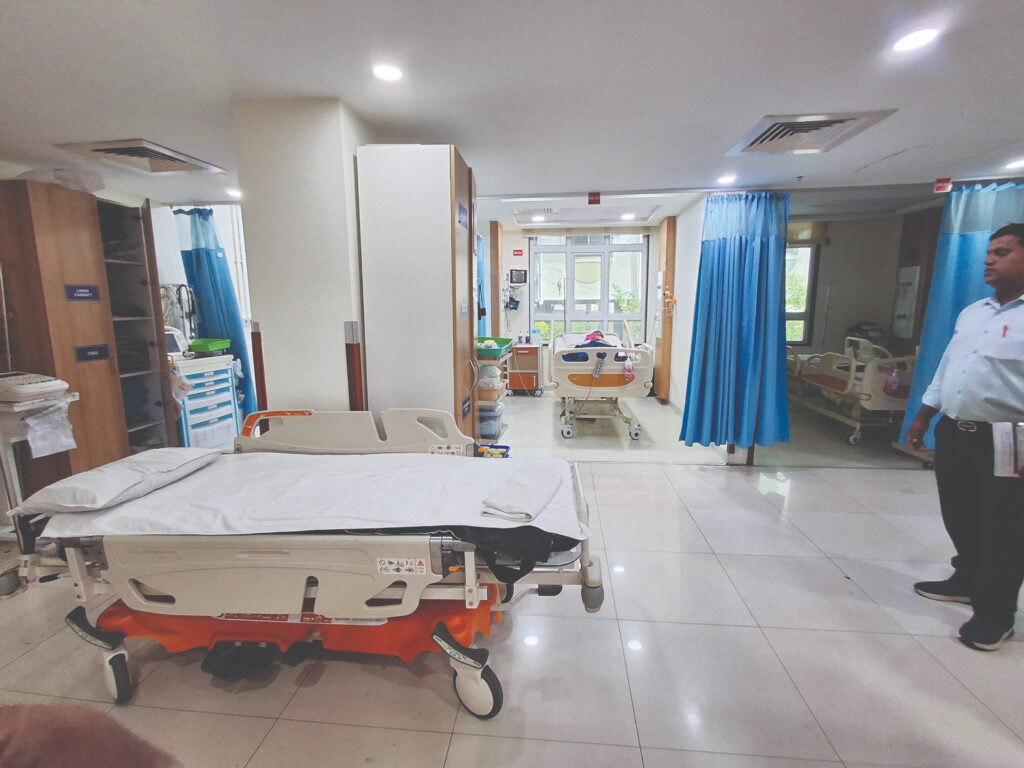
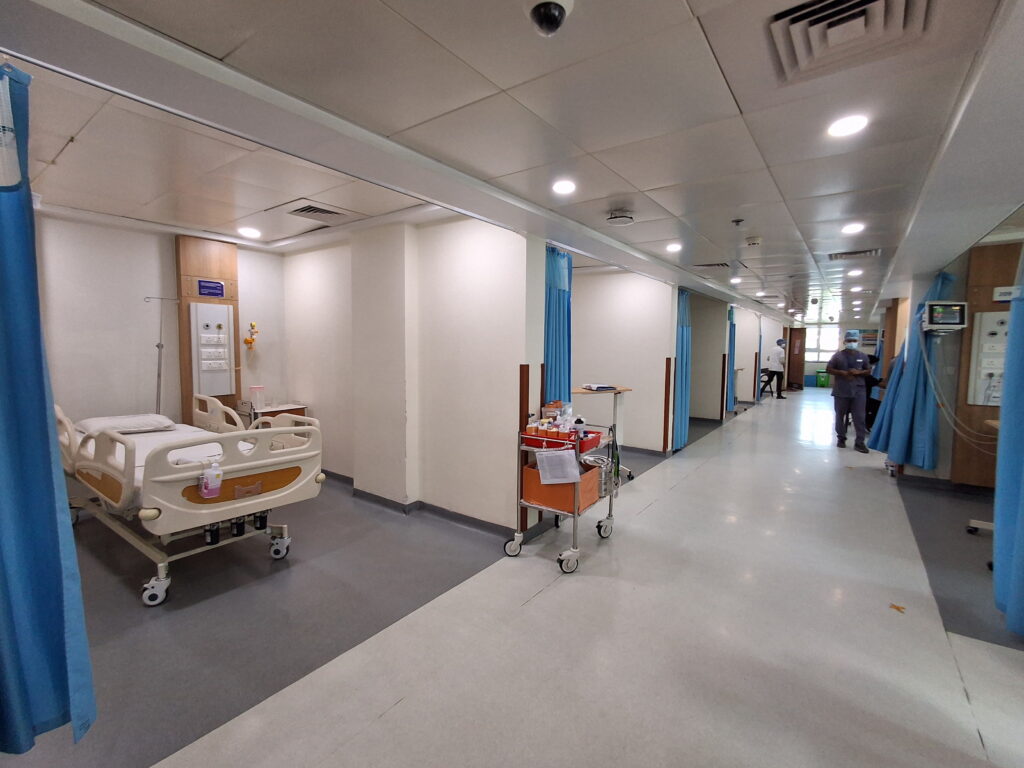
Housekeeping supervisors use structured checklists and regular audits to ensure uniform cleaning in OPDs, ICUs, patient rooms, washrooms and common areas. Any deviation is corrected immediately through feedback and retraining. The physical design helps too. ICUs are wall-partitioned to reduce cross infection. That, combined with protocol discipline, has helped keep Healthcare-Associated Infection rates under control. The idea is consistency. The same standard at 8am in OPD and 2am in ICU.
Air Quality
Pathogens transmit through airborne channels as well as physical surface contact. Critical areas including operation theatres and ICUs at Viveka are equipped with HEPA filtration systems to maintain superior indoor air quality. HVAC systems undergo routine preventive maintenance, filter replacement and performance validation. Airflow, temperature and humidity are monitored to minimize airborne infection risks. In surgery and critical care, clean air is as important as sterile instruments. Viveka treats it that way.
“A clean hospital inspires confidence. A safe hospital earns trust. At Viveka Hospital, we strive to deliver both” — Priyanka Pawar, CEO, Viveka Hospital
Disinfectants Usage
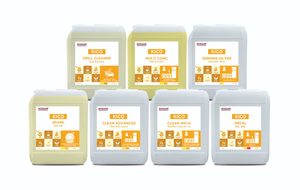
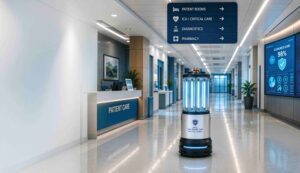
What you clean with determines how well you clean. Viveka uses hospital-grade disinfectants approved for healthcare settings. Taski cleaning solutions for routine environmental cleaning. Sodium hypochlorite-based disinfectants for decontamination and spills. Mechanisation supports scale and consistency.
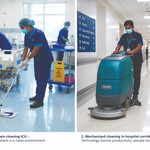
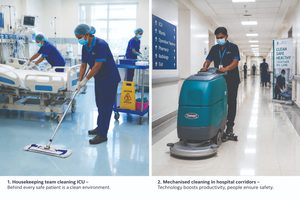
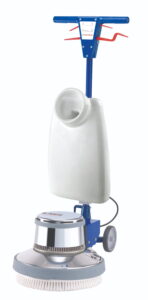
The hospital uses scrubber dryers for floors, wet and dry vacuum cleaners, high-pressure cleaning machines, and microfiber cleaning systems to prevent cross-contamination. Chemical concentrations are monitored as per manufacturer recommendations. Infection control nurses conduct periodic validation through cleaning audits and environmental surveillance. If a protocol fails an audit, it is retrained, not repeated.
Outsourced Control
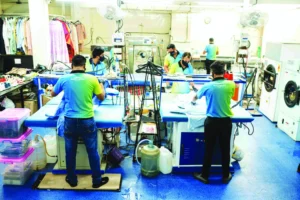
Housekeeping at Viveka is managed through an external agency. But control remains firmly in-house. Around 95 housekeeping personnel are deployed strategically across wards, ICUs, operation theatres and support services to ensure round-the-clock cleanliness. Before deployment, every staff member receives induction training. Competency assessments are regular. Continuous training covers biomedical waste segregation, infection prevention, cleaning techniques, chemical handling, PPE use and emergency response. The agency provides manpower. Viveka provides standards. This model gives the hospital flexibility in scale while retaining quality oversight.
30-minute Rule for Cabin Cleaning
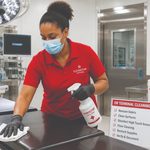
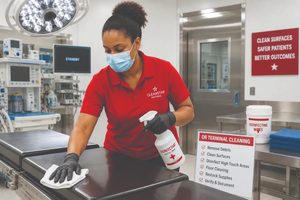
The gap between one patient leaving and the next arriving is high risk. Viveka has a 30-minute rule for it. Every discharged patient room undergoes a standardized terminal cleaning protocol: complete surface disinfection, bed and furniture sanitization, washroom disinfection, linen replacement, and waste removal. After cleaning, the room remains vacant for approximately 30 minutes to allow adequate drying and ensure readiness.
Compliance with SOPs is audited regularly. For rooms occupied by patients with contagious diseases, the process goes a step further. After disinfection, microbiology culture tests are done to validate that the environment is safe
before reoccupation.
Surface Vigilance
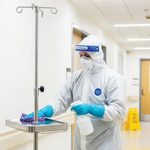
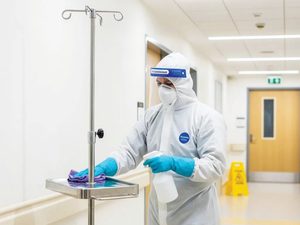
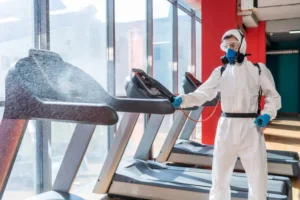
Floors, elevators and washrooms are where pathogens move fastest. So Viveka audits them the hardest. High-touch surfaces are disinfected at frequent intervals throughout the day. Cleaning is performed three times during every shift. Dedicated schedules are followed for each area. Supervisors verify compliance using cleaning checklists. The Infection Control Team conducts random inspections. This systematic, shift-based approach significantly minimises the risk of healthcare-associated infections. The message to staff is direct: No compromises on cleanliness.
Infection Prevention
“Modern hospital hygiene is no longer judged by fragrance but by measurable outcomes.” Cleanliness is validated through evidence-based infection prevention practices, regular infection surveillance, clinical cultures where indicated, hand hygiene compliance monitoring, and environmental cleaning audits.
Standardisation in practice Viveka runs facilities across Tier-1 and Tier-2 locations. Infection control policies are applied consistently across all facilities regardless of geographic location. All Viveka Hospital facilities follow the same standardized infection prevention policies, SOPs and quality indicators. Uniformity is maintained through common operating procedures, shared infection control policies, hand hygiene audit checklists, regular internal quality audits, and continuous staff training. Whether it is a general ward or a premium room, the cleaning protocol, disinfection method, and audit frequency are identical. Geography does not dilute safety.
Safe Comfort
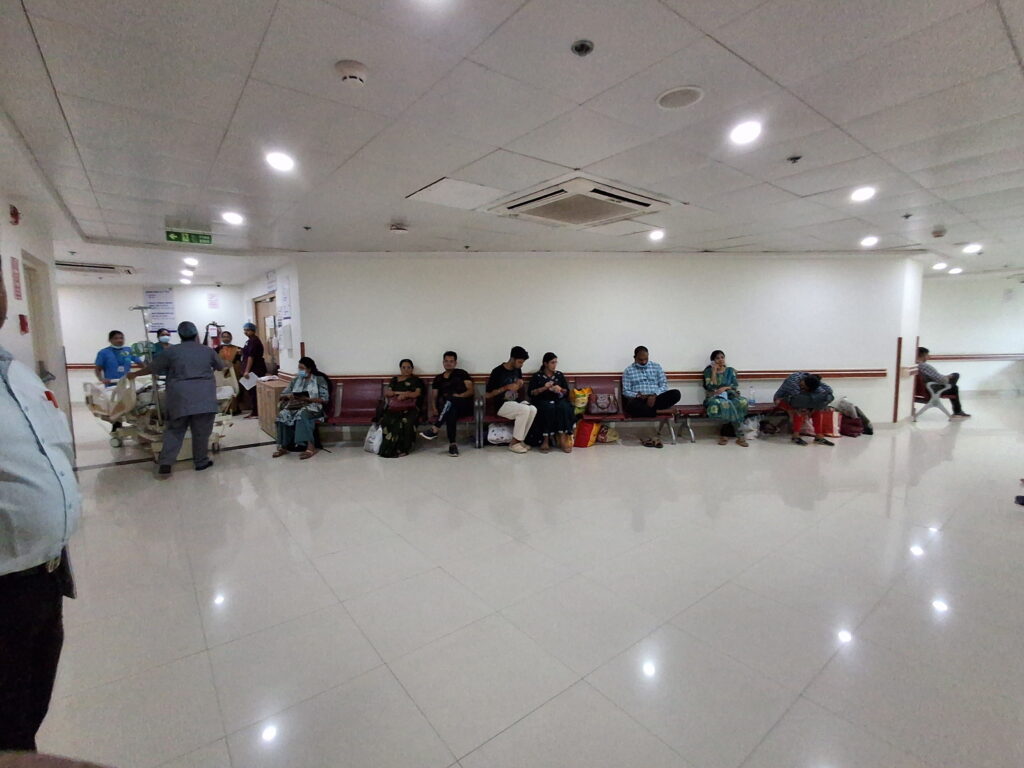
Premium patient rooms at Viveka offer better amenities, faster housekeeping response, and personalized care. Comfort and safety are treated as complementary. Well-maintained rooms and responsive service sit alongside strict adherence to evidence-based cleaning and disinfection standards.
Lower HAI rates How has Viveka Hospital stood out in Nagpur’s competitive market? By building a culture where infection control is monitored daily, not quarterly or annually.
The hospital has consistently maintained HAI rates lower than many comparable hospitals through continuous monitoring, staff engagement and adherence to evidence-based practices. The strengths are visible: A strong Infection Control Committee, regular staff training, high hand hygiene compliance, continuous environmental audits, robust housekeeping systems, and a patient-centric quality culture.
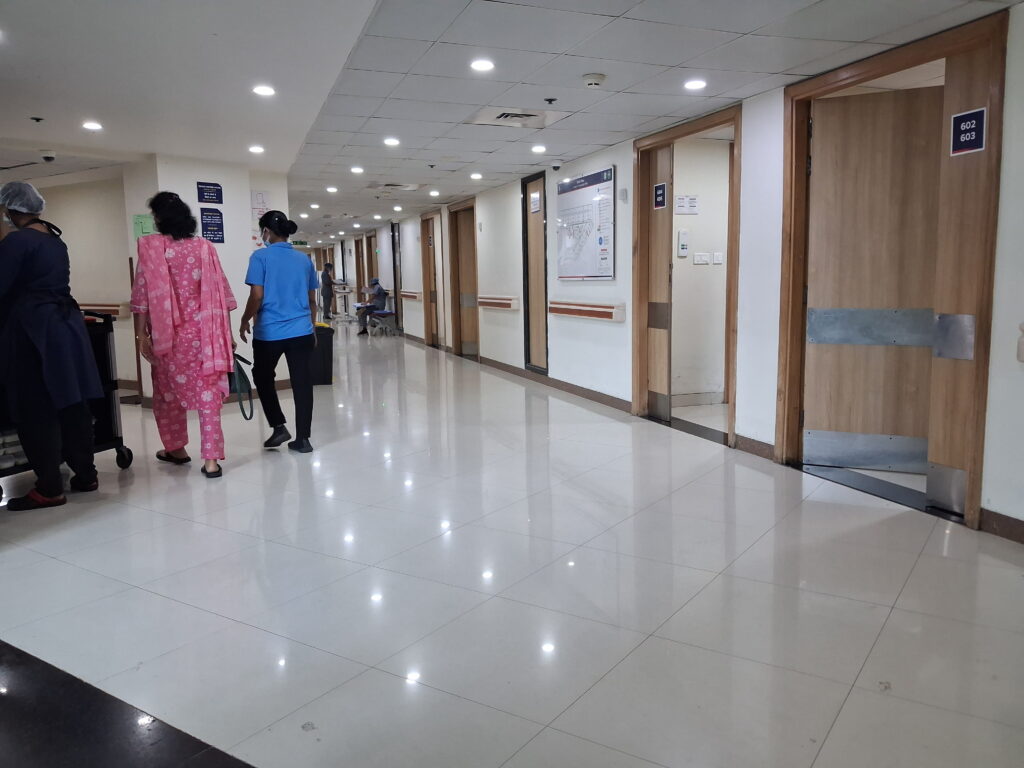
Additionally, the automated hourly announcement reminds 95 housekeeping staff, 200+ clinical staff, and hundreds of patients that hand hygiene matters.
Proven Results
The work is backed by accreditation and programmes. Viveka holds NABH Accreditation. It runs an active Infection Control Committee. It observes Hand Hygiene Day campaigns every year. It has strong biomedical waste management initiatives.
Beyond certificates, the hospital tracks what matters: Audit scores, compliance rates, and infection data. That data is reviewed, acted upon, and used to train teams. In a city where patients from Vidarbha, Madhya Pradesh and Chhattisgarh are choosing Nagpur for treatment, trust is the currency. And trust starts at the door.