

























Beating Cost Myths: Certified Green Procurement Delivers Real ROI

As India pivots from L1 bidding to board-driven green procurement, Clean India Journal interviews Pankaj Kaushal, CFO of GroupL Services Pvt. Ltd. Navigating SEBI’s BRSR mandates and rising ESG scrutiny, GroupL leverages TCO models, digital procurement, and certified sustainability to ensure compliance, cost control, and resilience across FM and housekeeping supply chains.
Green procurement
At GroupL, green procurement is a boardroom directive, not a greenwashing exercise. With SEBI mandating strict BRSR (Business Responsibility and Sustainability Reporting) for Indian corporates, sustainability has evolved from a ‘good-to-have’ marketing tool into a core compliance and governance metric. Sustainable sourcing delivers measurable value through lower lifecycle costs and reduced environmental impact.

Holistic sustainability
We are shifting from the traditional L1 (lowest bidder) mindset to a holistic sustainability matrix.
In a highly cost-sensitive market like India, the key is shifting the narrative from purchase price to Total Cost of Ownership (TCO). While eco-friendly chemicals, energy-efficient equipment, and sustainable consumables might carry a marginal premium initially, they generate substantial long-term savings. Concentrated chemicals reduce freight costs, IoT-enabled equipment lowers water and electricity bills, and superior formulations extend asset life—ultimately driving down the total operational cost.
Single biggest barrier
The single biggest hurdle in India is supply chain fragmentation and the lack of standardised green certifications. While global standards exist, the domestic market struggles with a proliferation of unorganised vendors making unverified ‘eco-friendly’ claims. To accelerate adoption, the industry desperately needs a unified, affordable, and reliable Indian certification framework that separates genuine green innovators from the noise.
ESG goals’ influence on purchase decisions
Environmental, Social, and Governance (ESG) is no longer a peripheral discussion; it is actively shaping our vendor onboarding. We don’t just take a supplier’s word for it — we look for recognised certifications (like GreenPro, EAF, or ISO standardizations) and request hard performance data.

Role of digitalisation
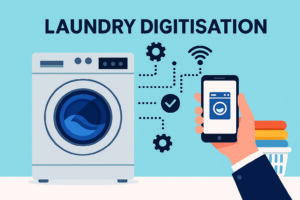
Digitalisation is the backbone of modern Indian procurement. We are moving away from manual, fragmented tracking to integrated tech stacks that handle demand forecasting, automated spend analytics, and real-time inventory optimisation. For a geography as vast and logistically complex as India, data-driven procurement is non-negotiable for controlling leakages, optimising freight
costs, and tracking sustainability metrics seamlessly.
Read Also –
- From Cost to Compliance: India’s Facility Management Procurement Reset
- Procurement Is Becoming a Strategic Business Enabler
- Green Procurement Goes Boardroom: Data, ESG Reshape Indian FM
- Beyond the Stated Requirement How DTSS Transformed a Soft Services Discussion into a Scalable Solution
Procurement challenges
The Indian FM sector frequently battles high attrition, fluctuating raw material costs, and vendor unreliability. A perennial mistake in our market is choosing vendors purely on the lowest quote. This almost always leads to compromised quality, regulatory non-compliance (especially regarding labour laws and safety standards), and hidden lifecycle costs that balloon later. Balancing consistent quality with cost optimisation remains our tightest tightrope walk.
Innovative approaches
We are seeing incredible tech adoption tailored for India. IoT-based smart washroom monitoring, AI-driven building management systems (BMS), autonomous robotic scrubbers for large commercial spaces, and waterless or water-saving cleaning technologies are massive game-changers. Given India’s critical water scarcity challenges in major tech hubs, any innovation that drastically reduces water consumption immediately catches our eye. We are actively looking to pilot with homegrown Indian deep-tech and sustainability startups.
Example of supplier-led innovation
One of our key partners introduced localised, highly concentrated dilution-control chemical dispensing systems. By shipping concentrates instead of pre-diluted liquids, we drastically cut down on plastic container waste and minimised transportation emissions across states. For our clients, this translated into foolproof cleaning consistency, zero chemical wastage, and a highly attractive reduction in monthly operational spend.
Word of advice
Stop pitching products; start pitching business solutions. In India, procurement heads are inundated with generic catalogues. To stand out, you must come to the table with a data-backed value proposition. Show us exactly how your product will optimise our costs, improve our BRSR compliance, save water, or boost our operational efficiency. If you can prove ROI with hard data, the conversation changes from ‘too expensive’ to ‘when can we start?’.