





























About E-waste
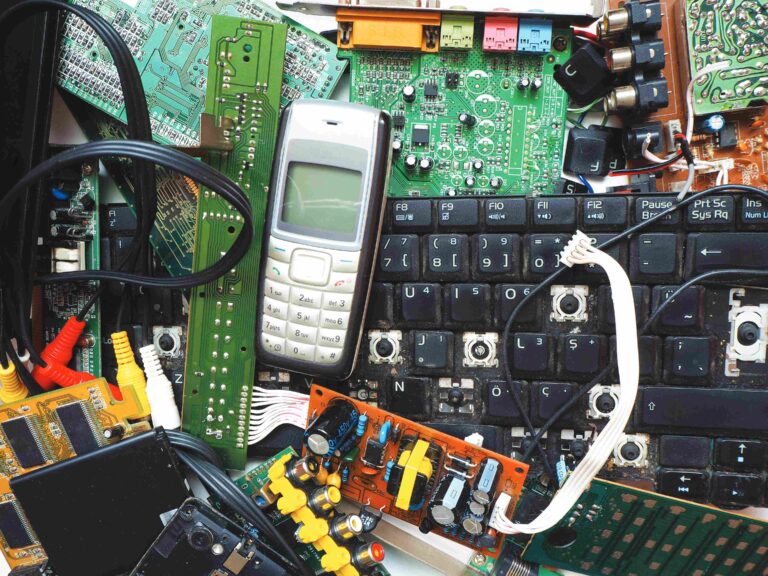
E-waste covers the electronic and electrical waste India generates and the systems growing up to handle it. Regulation is a core thread, with an overview of India's e-waste rules and their amendments, the E-Waste (Management) Rules, 2022 and their guidelines for solar PV manufacturers, and MeitY's policy paper on a circular economy in electronics.
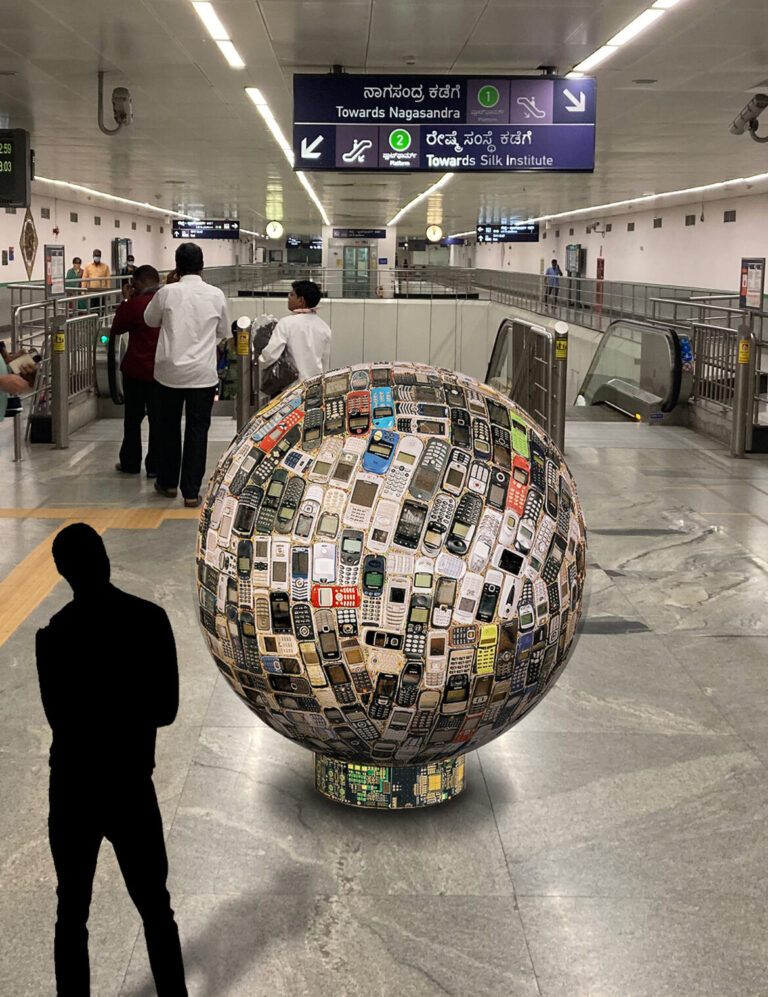
Collection and recycling projects include Bhubaneswar's door-to-door collection drive, Bhopal's e-waste clinic with the CPCB, planned e-waste parks in Delhi, a Rajasthan project to bring informal collectors into a formal supply chain, Cerebra's recycling facility in Bengaluru, a lithium-ion battery recycling plant in Uttarakhand, IIT Delhi's pyrolysis process and Attero's work on extracting metals. Artists who turn discarded electronics into sculpture show another kind of reuse.
The section is written for municipal officials, electronics producers, recyclers and facility managers disposing of IT equipment.
Start here
- E-Waste Regulations for Disposal India’s Journey Toward Responsible Recycling How India's e-waste rules developed and what they require for safe disposal
- E-waste rules to be effective from April 1, 2023 What the E-Waste (Management) Rules, 2022 require and who they apply to
- MeitY formulates policy for e-waste recycling MeitY's policy paper on a circular economy in the electronics sector
- Bhopal to get India’s first e-waste management clinic How Bhopal's e-waste clinic handles household and commercial e-waste
- Bhubaneswar Municipal Corporation (BMC) launches door-to-door collection of e-waste How Bhubaneswar collects e-waste door to door to keep it out of municipal waste
- IIT Delhi develops process to convert e-waste into useful materials IIT Delhi's process for recovering metals from e-waste, which it calls an urban mine
- TDB-Remine India partner for e-Waste Recycling A commercial plant for recycling lithium-ion batteries and e-waste in Uttarakhand
Questions readers ask
How much e-waste does India generate?
India is the third-largest generator of electronic waste globally, producing nearly two million tons a year, and unrecorded imports of obsolete electronics add to the problem. Read the article
When did the E-Waste (Management) Rules, 2022 come into effect?
The rules issued by the Ministry of Environment, Forest and Climate Change came into effect from 1 April 2023. Read the article
What is an e-waste clinic?
Set up in Bhopal by the municipal corporation and the CPCB, it enables segregation, processing and disposal of e-waste from households and commercial units, collected door to door. Read the article
Why is e-waste called an urban mine?
IIT Delhi says e-waste can be considered an urban mine for metal recovery, although it also contains toxic materials such as lead, cadmium and chromium. Read the article