




















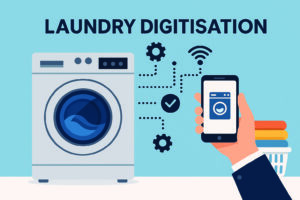
The Smart Laundry Revolution

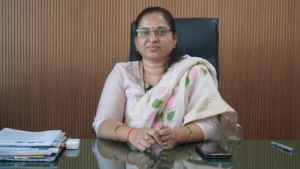
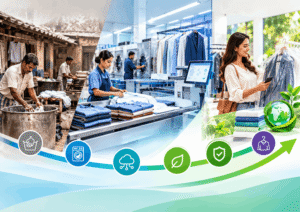
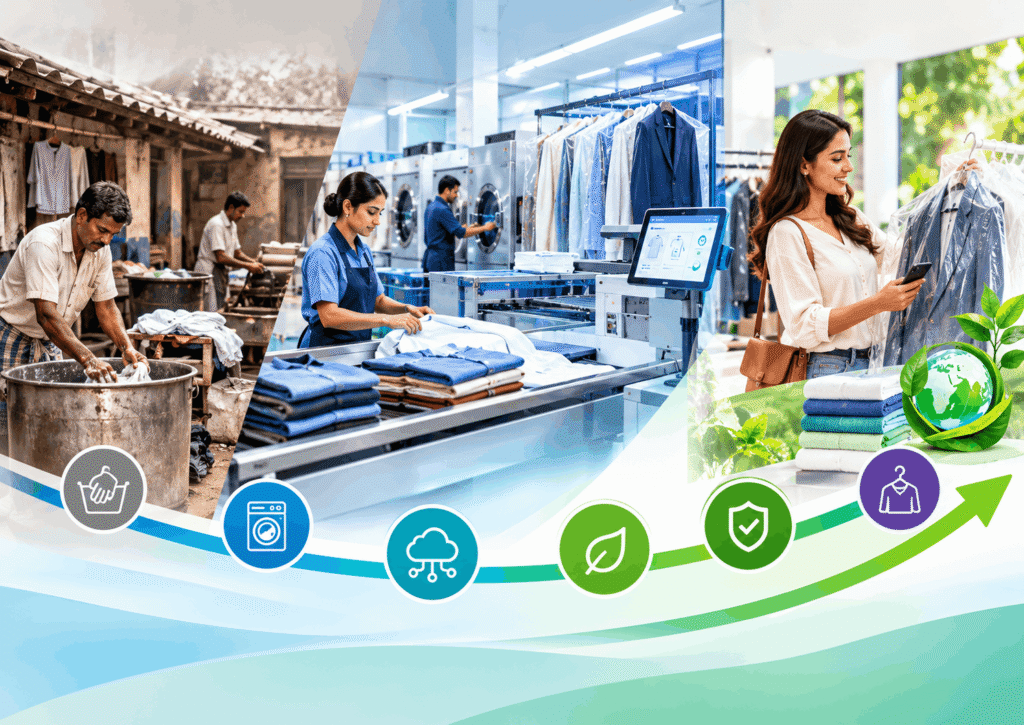
Over two decades, laundry and dry-cleaning in India has moved from a routine service to a tech-enabled, eco-conscious and customer-centric industry, says Afaf Ansari, Founder, Indian Drycleaning Company.
Global technology leaders have played a pivotal role in enabling this shift. LG introduced energy-efficient washers with steam sterilisation, allowing small shops to meet hygiene demands affordably. Speed Queen brought durable, high-capacity machines that helped micro-entrepreneurs scale. Electrolux pioneered sustainable solvent systems and compact professional machines, making advanced technology accessible locally. Brands like IFB and Whirlpool invested in training and technology adoption, bridging the gap between tradition and modern standards.

Together, these initiatives empowered thousands of small operators to deliver standardised, professional and eco-conscious services.
Automation Upgrade
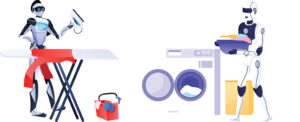
Automation has transformed delivery. Modern machines provide standardised cleaning cycles at remarkable speed, ensuring consistency across thousands of garments. Robotic conveyors, hi-tech spotting stations and AI-driven scheduling systems have dramatically reduced turnaround times. For customers, it means faster, more reliable service. For providers, it translates into efficiency and scalability — the ability to grow without compromising quality.
The industry has steadily moved away from harsh solvents toward eco-friendly alternatives. Biodegradable detergents, silicone-based solvents and liquid CO2 systems now protect fabrics while minimising environmental impact.
“RFID and barcode tracking ensure garments are traceable from drop-off to delivery, reducing errors and disputes”— Afaf Ansari Founder, Indian Drycleaning Company
Hygiene Non-Negotiable
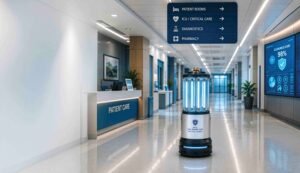
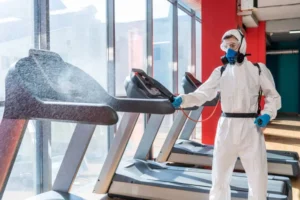
COVID-19 marked a definitive turning point. Laundry services repositioned themselves as guardians of health, offering sanitisation, pathogen removal and allergen-free cleaning as standard.
Stricter protocols reassured customers that garments were not only clean but safe, reinforcing the industry’s role in public health. Hygiene shifted from an implicit promise to an explicit, auditable standard — one that has remained even after the pandemic receded.
Garments Traceable
RFID and barcode tracking ensure garments are traceable from drop-off to delivery, reducing errors and disputes. Smart apps provide customers with real-time updates, doorstep pickups and eco-friendly delivery options.
Behind the scenes, AI and IoT systems optimise cleaning schedules and enable predictive maintenance, cutting waste, water and energy use while enhancing reliability. The result is an operation that is leaner, more transparent and more responsive to customer expectations.
Preserving Fashion
Advanced cleaning techniques today preserve delicate fabrics, extending garment lifespans and supporting sustainable fashion. By keeping clothes in use longer, professional laundry directly contributes to reducing textile waste.
The service spectrum has also expanded far beyond clothes. Shoes, bags, leather goods and luxury accessories are now part of mainstream offerings, with growing emphasis on repairing, refurbishing and restoring luxury possessions.
Simultaneously, safety standards have improved — safer chemicals, better ventilation and compliance with global regulations protecting both workers and customers.
More Connected
The laundry and dry-cleaning industry are now evolving into a tech-enabled, eco-conscious and customer-centric sector. Artificial intelligence and machine learning will streamline operations further. IoT-enabled systems will enable smart monitoring of garments and resources. Eco-friendly solvents will replace traditional chemicals on a scale. Automation and robotics will enhance efficiency, while digital platforms will personalize services through subscription models and real-time updates.
Challenges remain. Workforce shortages and the need for upskilling may slow adoption of advanced technologies. Smaller businesses could struggle against larger, tech-enabled competitors, leading to consolidation.
The Platform That Anchored Growth
In this two-decade journey, Clean India Journal has been a pioneer in shaping and anchoring the cleaning industry, says
Afaf Ansari.
“By providing a strong foundation and a dynamic platform for learning, networking and resource access, CIJ has been instrumental in helping businesses establish and grow successfully. Its print and digital presence keeps professionals updated on the latest industrial and technological advancements, while its events and exhibitions have made networking an exciting and enriching experience, simplifying research and knowledge-sharing for an entire industry,” she added.