























From the Front Line to the Boardroom ‘FM a long-term career option for women too’
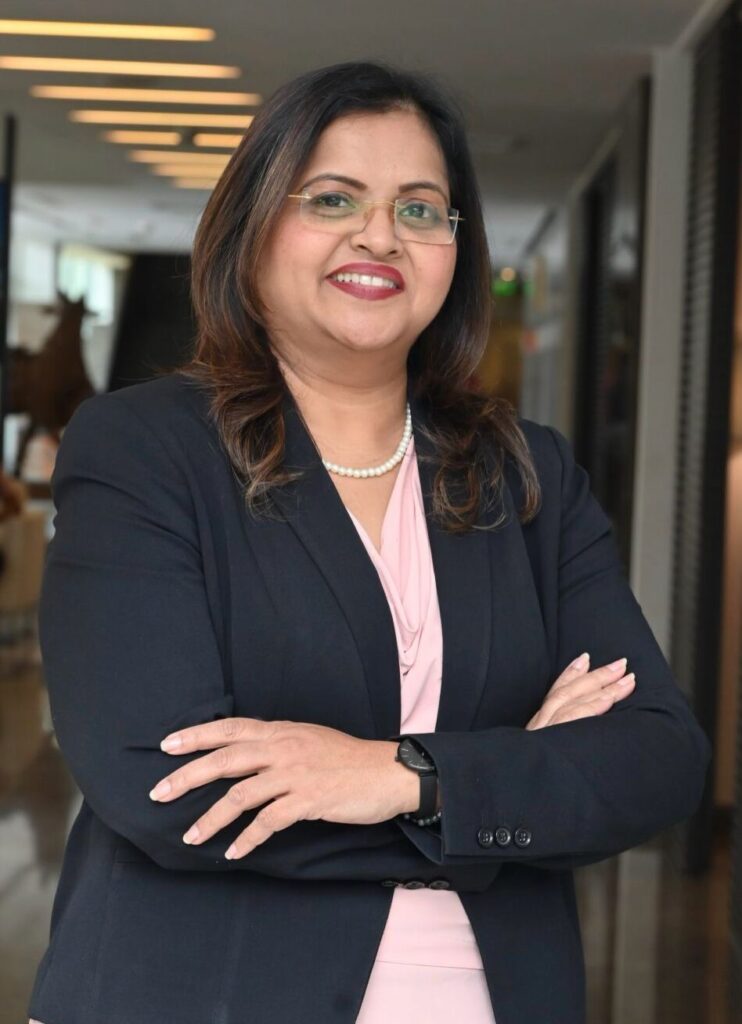
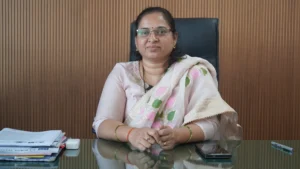
Ashwini Walawalkar is a distinguished leader currently serving as the CEO of Technique Control Facility Management Pvt. Ltd (part of the Embassy Services Group). With a career spanning over two decades, she has transitioned from a background role in hospitality at the Taj Group to becoming one of the rare female CEOs in the Facility Management (FM) sector. Known for her focus on operational excellence, service quality and the integration of technology within FM, Ashwini is a vocal advocate for gender diversity and the dignity of the frontline workforce. In this interview she shares her journey with Mohana M, Editor, Clean India Journal.
What the award means for women in FM
Ashwini, you have had a wonderful career and your rise in the FM sector is something to be acknowledged. Congratulations on your recent award. How does it impact a woman in this space to receive such recognition?

A. This recognition goes right to my heart. When you come from the front line, like I did, you know the grit it takes just to show up. It is not about me; it is a profound nod to the resilience of thousands of people. It validates every late night, every lesson and reminds me that leadership is a journey built with discipline and a lot of heart. Professionally, it reinforces the efforts of our teams working on the ground to elevate facility management into a strategic business function.
Was there ever a time during this journey where you thought you made a mistake choosing this career?
A. Yes, particularly during my post-graduation at Narsee Monjee. When I started in housekeeping at the Taj, I found myself scrubbing washrooms and making beds. My heart sank. I thought, I didn’t work this hard for a post-graduation to clean bathrooms. I will be honest; I went home and cried. I didn’t even do these activities at home. But that was the foundation of my career. My executive housekeeper told me then: ‘Until you learn the tricks of the trade, you will not be able to supervise anyone’. It was a humbling lesson, a core truth. After that, I never looked back. I will always be grateful for that dose of humility.
You recently received a global award. How does that help the sector?
A. This was the first award for me to win at a global level. Awards like this help bring a spotlight to our sector, which often operates quietly, invisibly, in the background despite being a critical function. Today, FM involves operational resilience, workplace experience, safety and sustainability. For women specifically, such recognition is a beacon. It shows the outside world, the girls watching, that this is not just a job—it can be a long-term, powerful career option.
Leadership lessons from the front line
Many women do jump from hospitality to FM, but you have reached the top as a CEO. What are the struggles along the way?
A. Leadership is not something taught from the top; it must rise from the ground up, seasoned by challenges. You must earn that respect. Leading large-scale transformations and managing diverse teams has taught me that sustainable growth comes through strong governance, empowered people and a clear execution of framework.
Can you give an example where you possibly stumbled or panicked, and how did you deal with it?
A. Early in my career, a company I was working was managing an international airport. We faced intense local interference where several groups coordinated a walkout of nearly 800 people. Airport operations are critical; if they shut down, it’s a national crisis. In that moment, yes, I panicked. The weight of the responsibility was overwhelming. But I found my voice. We told the employees, straight up: We can find people. We must. But if you walk, you may never find another job. Not here. We promised to listen to their commitments if they returned to work. That was a very tough situation.
Have you ever faced a situation that led you to take a drastic decision?
A. Most of my decisions are firm. In my organisation, I was taught to ask myself three things that became my compass: 1. Is it right for the organisation? 2. Is it right for my people? 3. And is it right for me? If my values are not compromised, I just go ahead and do it.
Keeping the frontline workforce
What steps are you taking to ensure your workforce remains with you?
A. The frontline workforce is the backbone of this industry. We need clear career paths and continuous development. When an employee feels respected and empowered, quality falls in place. But it is more than training; it is seeing them. I will never forget a chambermaid who absolutely refused second shifts. Everyone was angry with her. When I sat down with her and finally asked why, I learned she was a single mother. She had three small children, and she had to lock them inside her tiny home, completely alone, while she worked. My heart broke for her. By listening, really listening, to her story, we ensured she had the first shift and found work nearer to her house. If you give them dignity and a path ahead, they don’t just stay; they soar.
Balancing family and career
Did you ever face a situation where you were told at home to stop working?
A. Yes. And that question echoes in my mind many times. When my kid was not even a year old, I started working. I was an operations manager then. Anyone who has done operations knows it means being continuously, 24/7, on call. One night, I came home very late, exhausted. My mother-in-law, who was my rock, looked at me and said: ‘Enough of your job. Just leave it and take care of your kid’. The guilt was a heavy weight. I mean, I was dependent on their support system. My message for women going through this is that is a phase each woman goes through. And that phase will get over. Kids grow up fast and everything will get back to routine. I keep telling this to all women that I meet: Do not take a break from your job. Kids grow up, and they will get on with their own lives. You continue your job. Stand on your feet, have your own identity and be independent.
More women, more technology and the future
How do you increase women’s participation and include technology in this sector?
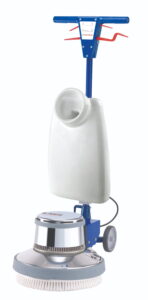
A. We must create a safe work environment and actively encourage women to take leadership roles. We must build visibility for those already in the sector so the younger generation can see role models. Regarding technology, I still have a very clear picture in my mind from the early days. There was a 50kg battery for a ride-on sweeper and the easiest assumption was that only a man could manage it. But I watched this lady lift that battery, charge it, put it back and get that machine running. She used to sit and drive it, and it was amazing. Women are no longer behind; they are equally competent with IoT monitoring, BMS tools and digital workflows.
How do you see the future of the facility management industry?
A. The future of facility management is transforming service operations into a strategic technology-based ecosystem that enhances workplace experience, sustainability and business performance. My advice to future generations is to not shy away from the ground reality. Be curious, stay disciplined and focus on building operational excellence with a strategic mindset. That ground level is precisely where you truly understand the heart of the business.