


























Digital Washrooms for Patient Safety

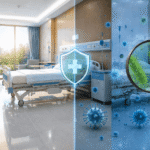
From scheduled cleaning to real-time intelligence, digital washrooms are setting the new benchmark for patient safety, operational efficiency, and FM excellence in smart hospitals. In a tete-a-tete with Clean India Journal, Sumant Lokhande, State Head Operations IFMS – ROM & Goa of Allied Resource Management Services India Pvt Ltd, spells out the details.
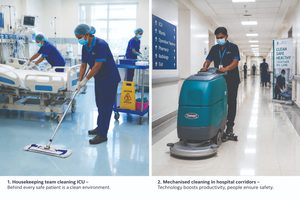
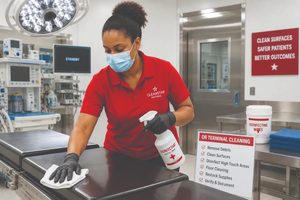
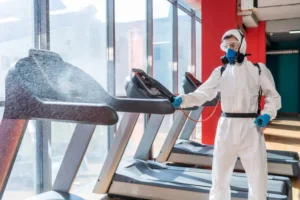
Walk into most hospital washrooms today and you’ll still find the same system: Cleaning every 2 to 4 hours, whether it’s needed or not.

A high-traffic washroom outside the OPD can become a hygiene risk within 30 minutes. A low-traffic staff washroom gets cleaned unnecessarily. Soap and sanitizer dispensers run empty until the next round. Water pooling on the floor is noticed only during the next scheduled sweep. Faulty taps, flushes, or lights are reported only after a complaint.
The result: Delayed response, higher infection risk, wasted consumables, and a direct hit on patient satisfaction. Supervisors don’t have real-time visibility. Housekeeping teams are caught between routine rounds and firefighting. In the era of “Smart Hospitals & Digital FM”, this is the one area where hospitals can no longer afford to operate blind.
Smart Digital Washroom
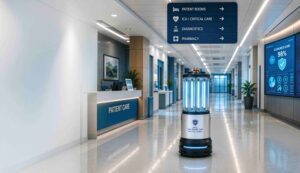
A Smart Digital Washroom replaces assumptions with data. Instead of cleaning on a timetable, cleaning happens on demand, triggered by actual usage and sensor data. This is not about replacing people. It’s about giving housekeeping teams intelligence so they can act before a problem escalates.
Core features of digital inspection systems:
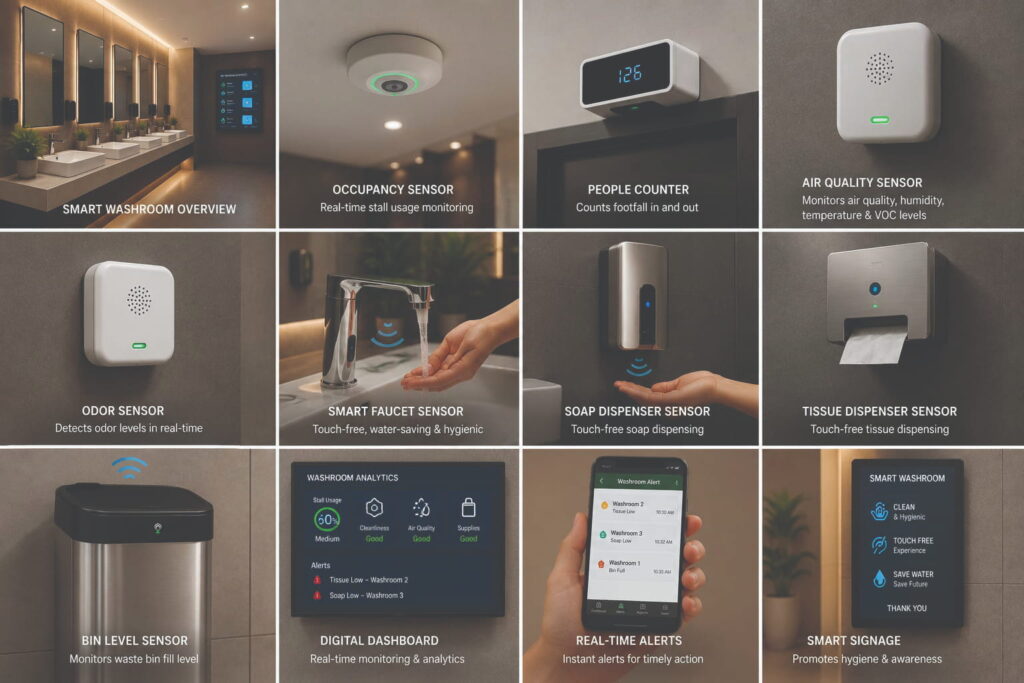
Occupancy sensors: Track footfall and cleaning need in real time.
Soap and sanitizer level monitoring: Auto-alerts before dispensers run dry.
Paper dispenser monitoring: Ensures tissue and towel availability.
Odour sensors: Flag hygiene drops before users complain.
Water leak detection: Prevents slip hazards and water wastage.
QR code-based feedback system: Lets patients and staff report issues instantly.
“The hospitals that embrace digital hygiene today will set tomorrow’s benchmark for patient experience”— Sumant Lokhande State Head Operations IFMS – ROM & Goa of Allied Resource Management Services India Pvt Ltd
Operational Benefits
The operational goal is simple — clean before anyone has to complain. In this regard when washrooms are connected, the impact is immediate.
Faster response, fewer complaints: Alerts for low consumables, leaks, or high odour go directly to the housekeeping dashboard. Teams reach the location before a patient notices.
Better manpower deployment: Staff are routed to where they’re needed most, not where the schedule says. This cuts unnecessary rounds and frees up time for high-risk clinical areas.
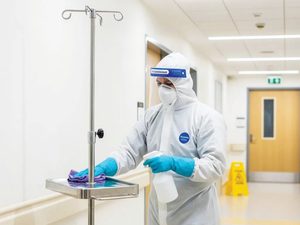
Infection prevention: Touch-free fixtures, always-available soap and sanitizer, and timely cleaning reduce cross-contamination. Hygiene becomes continuous, not periodic.
Cost optimisation: Soap, paper, water, and chemicals are replenished based on consumption, not routine. Water leak alerts prevent both utility loss and damage.
Accountability and compliance: Every clean, every refill, every repair is logged. Supervisors can prove standards were met — critical for NABH, JCI, and internal audits.
Patient Experience
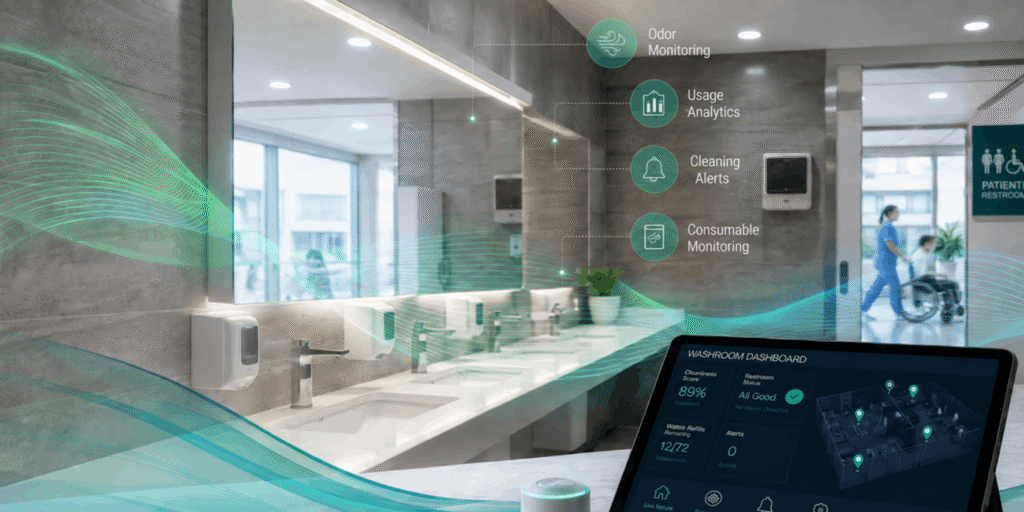
For patients and visitors, a washroom is a direct reflection of hospital hygiene. Smart washrooms deliver cleaner facilities, touch-free experiences, and immediate service recovery. In infection-sensitive environments, this matters. Reducing touchpoints and ensuring consumable availability directly supports infection control protocols. Patients don’t just feel the difference. They see it.
Digital FM At Work
The smart washroom is one node in a larger Digital FM ecosystem — “The Hospital That Thinks.” The real-time housekeeping dashboards give supervisors live visibility into: Area cleaning status and task completion, staff attendance and response times, complaint status and closure rates and consumable inventory and deep cleaning schedules. This enables data-driven decisions, better workforce utilisation, and transparent performance monitoring across departments.
Digital audits replace paper checklists with mobile inspections, photo evidence, geo-tagging, and automated scoring. CAPA tracking and trend dashboards close the loop faster and improve compliance documentation with zero paperwork.
Predictive maintenance extends beyond washrooms. IoT sensors and BMS integration monitor HVAC in critical areas, medical gas pipelines, DG sets, water treatment plants, and electrical infrastructure. Instead of waiting for breakdowns, facilities teams get alerts on equipment health.
The benefits are: Reduced downtime, longer asset life, lower maintenance costs, and better compliance with healthcare standards. Patient comfort and safety improve because systems don’t fail unexpectedly.
Business Case
Beyond hygiene, smart washrooms deliver long-term strategic value. For hospital leadership, this translates to better audit scores, lower operating costs, and stronger brand reputation. For FM teams, it means moving from being burdened by routine to being empowered by insights.
Predictive housekeeping: Clean based on data, not guesswork.
Higher patient and visitor confidence: Cleanliness that is measurable.
Reduced complaints: Issues are flagged and fixed proactively.
Performance measurement: Response time and service quality are tracked.
Increased accountability: Every task has a digital trail.
The Future
A Smart Digital Washroom is not just about sensors. It is about redefining the patient journey. Technology works quietly in the background. It protects health without being seen. It turns cleanliness from a promise into a measurable standard.