



































FAR BEYOND TEMPERATURE CONTROL

When you enter a hospital, you notice the doctors, nurses and medical equipment. You rarely think about the air you breathe. Yet that air can influence how safely patients recover, particularly those in intensive care, transplant units and operating theatres. Clean India Journal interacted with Dr Abhijeet Dash, Consultant- Critical Care Medicine, Manipal Hospital, Bhubaneswar, to understand why modern hospital HVAC systems have evolved far beyond temperature control and are today regarded as a critical component of infection prevention and patient safety.
For patients with compromised immunity, including those undergoing major surgeries, cancer treatment or organ transplantation, HVAC plays a critical role. The HVAC system functions as an invisible yet indispensable part of patient care, working continuously to create a safe healing environment.

Real Operational Incident
In one case, our Building Management System (BMS) detected a gradual drop in positive pressure in a modular operating theatre during routine monitoring. Although the deviation was still within an acceptable range for patient activity, engineering and infection control teams investigated immediately. The cause was an early-stage blockage in a pre-filter that was reducing airflow.
The filter was replaced, and environmental parameters was restored.
Continuous monitoring, rather than relying only on scheduled maintenance, allows us to identify these trends before they become clinical risks.
Mapping Correlation
HVAC performance is one important component, but it cannot be evaluated in isolation.
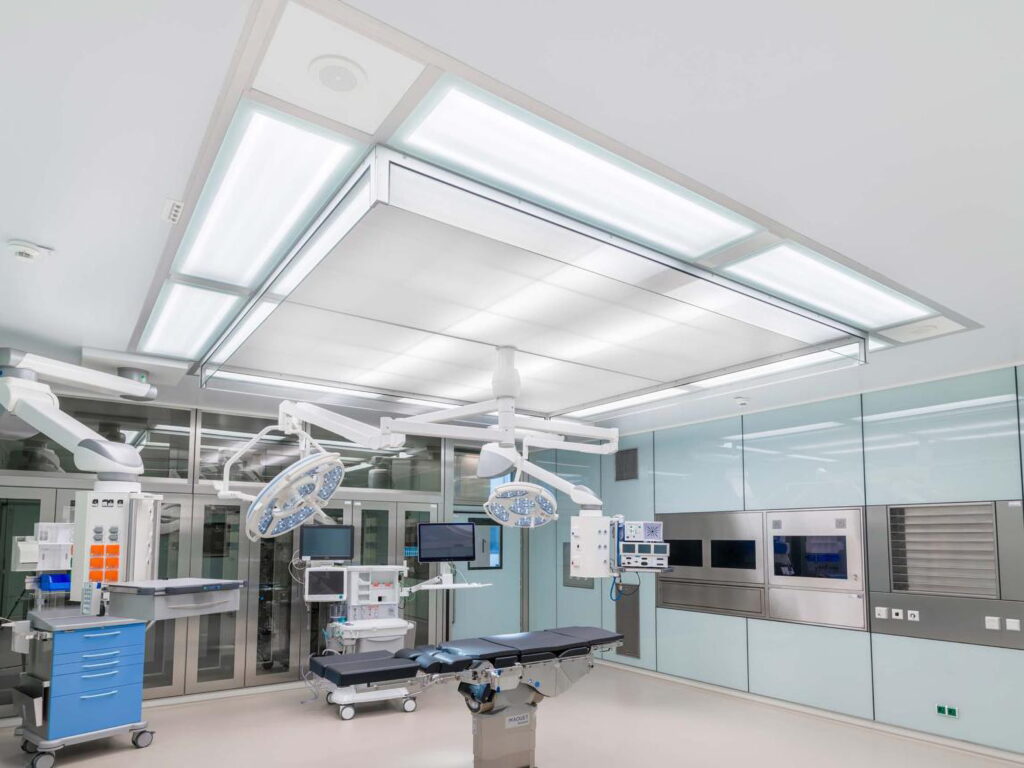
At Manipal Hospitals, we routinely monitor parameters such as room pressure differentials, temperature, humidity, air changes per hour
and HEPA filter performance in critical areas.
Balancing Act
Areas such as operating theatres, ICUs, transplant units and isolation rooms cannot compromise on ventilation standards simply to reduce energy consumption. However, sustainability can be achieved through smarter engineering rather than lowering clinical standards. Variable frequency drives, energy-efficient chillers, demand-based ventilation in non-critical areas, heat recovery systems and regular maintenance improve efficiency without affecting infection control.
A well-maintained HVAC system actually consumes less energy because clogged filters, leaking ducts and poorly balanced airflow increase power consumption significantly.
Hospital HVAC is no longer infrastructure — it is a frontline clinical system protecting patients, staff and healthcare outcomes”— Dr Abhijeet Dash HVAC Consultant, Manipal Hospitals, Bhubaneswar
Predictive Maintenance
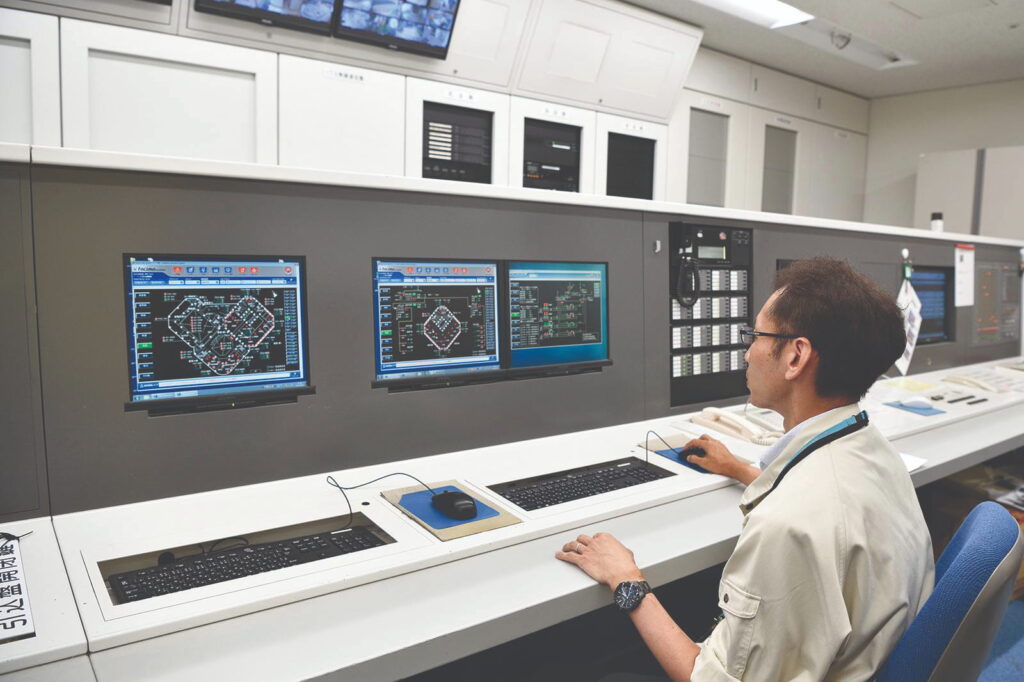
Hospitals are increasingly moving towards predictive maintenance. Modern HVAC systems continuously monitor temperature, humidity, airflow, pressure differentials, motor performance and filter loading through sensors integrated with the Building Management System.
Instead of replacing components according to fixed schedules, maintenance teams can now identify abnormal trends and intervene before equipment failure occurs.
Artificial intelligence is gradually becoming useful in analysing these large datasets to identify patterns that may not be obvious during manual reviews.
Emergency Protocols
Backup air handling units, standby chillers, emergency power through diesel generators and uninterrupted power supply systems help maintain essential environmental conditions.
The engineering team receives immediate alerts if any parameter moves outside predefined limits. If necessary, patient movement, elective procedure postponement or temporary closure of affected areas may be considered until conditions are restored. Regular mock drills and preventive testing are equally important because contingency plans are only effective if teams know exactly how to respond.
Redesigning HVAC Systems
Climate change is increasing the demand on hospital infrastructure. HVAC systems now need to operate efficiently during prolonged heat waves, high humidity and unpredictable weather.
Hospitals are therefore selecting equipment with greater operating flexibility, improving insulation, increasing cooling redundancy. Future-ready hospitals must consider climate resilience as part of patient safety planning.
Continuous Validation
Validation should not be viewed as an annual exercise. Critical environmental parameters require continuous electronic monitoring, while comprehensive validation should follow national guidelines, scheduled preventive maintenance and any major engineering modifications.
The most important indicators include pressure differentials, air changes per hour, HEPA filter integrity, particulate counts, temperature, humidity and airflow balancing. Even small deviations should trigger investigation because maintaining consistency is essential in infection-sensitive environments.
New-age HVAC Planning
Prioritise flexibility from the beginning. Clinical services evolve rapidly, and HVAC systems should be able to adapt without requiring major reconstruction. Also incorporate predictive monitoring, digital dashboards, greater redundancy, energy-efficient technologies and easier access for maintenance.
Another important change would be designing more isolation-capable rooms that can be converted quickly during outbreaks or public health emergencies. Hospitals today must be prepared not only for routine care but also for future pandemics and changing healthcare demands.
Capital Cost
Initial purchase cost should never be the only deciding factor. An HVAC system operates continuously for decades, making lifecycle costs far more significant than installation expenses alone.