


















Vietnam’s Housekeeping Moment
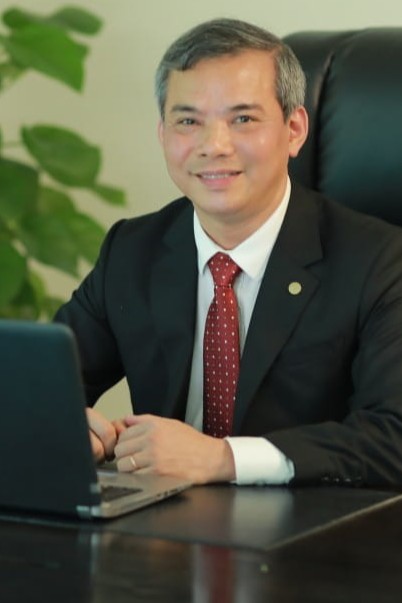
From rapid hotel growth and tourism recovery to sustainability and technology, Vietnam’s hospitality landscape is changing fast. In a conversation with Clean India Journal, Quang Nguyen, Chairman, Vietnam Executive Housekeepers Association, says housekeeping is no longer just back-of-house — it is now central to guest experience, reputation and business performance.
Over the past few years, Vietnam’s hotel industry has been developing rapidly. The biggest change is the shift in perception of housekeeping. Earlier, housekeeping was often seen mainly as a department responsible for cleaning rooms, maintaining hygiene and protecting hotel assets. Today, housekeeping is increasingly recognized as a strategic department that directly affects guest satisfaction, brand standards, cost control, sustainability and overall
hotel performance.

After the pandemic, cleanliness and hygiene became even more important. At the same time, guests now expect not only clean rooms, but also comfort, personalization, safety, environmental responsibility and consistent service. This has pushed housekeeping teams in Vietnam to become more professional, more flexible and more guest-focused.
Housekeeping operations
Manpower shortages and high turnover post-pandemic remain critical challenges across Asia, including Vietnam. To address this, hotels are adopting a dual approach:
- Multiskilling & Tasking: Cross-training attendants to handle diverse tasks, optimizing labour deployment without sacrificing detail.
- Employee Value Proposition: Shifting focus toward fair workload management, safer working environments (ergonomic tools, non-toxic chemicals), and clear career progression to improve retention.
- Outsourcing & Flexible Labour: Utilizing specialized third-party cleaning partners for heavy-duty tasks or peak season demands, allowing core staff to focus on high-touch guest areas
Tech Support
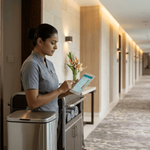
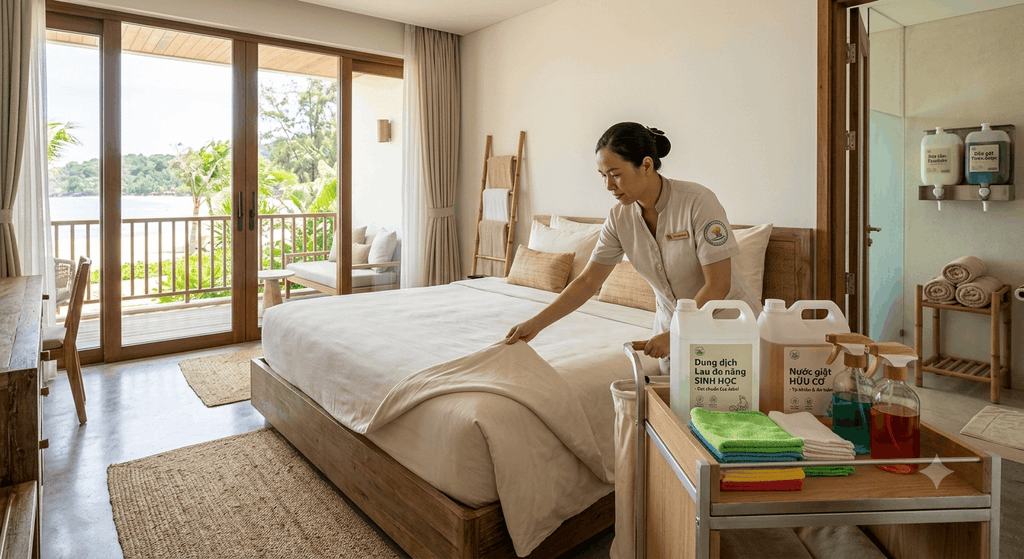
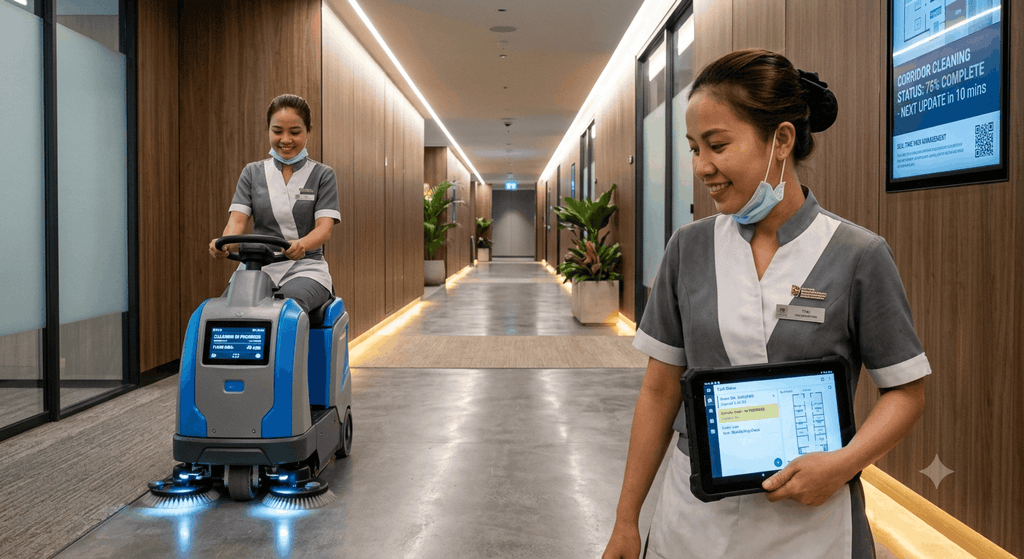
Several technologies are beginning to improve housekeeping operations in Vietnam. Digital room assignment systems, mobile task management, minibar and maintenance reporting apps, lost-and-found systems, linen inventory control and real-time communication tools are helping teams work faster and more accurately.
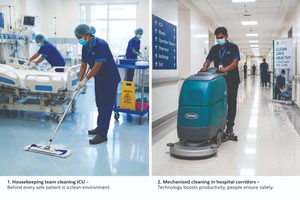
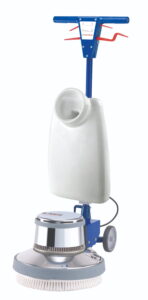
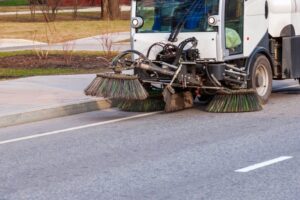
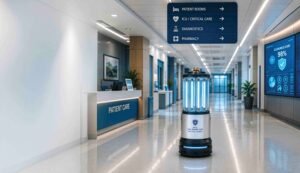
Mechanised cleaning equipment, professional vacuum systems, floor scrubbers, steam cleaners, laundry technology and robotic pool or public-area cleaning solutions are also supporting productivity, especially in large hotels and resorts. What works well is technology that solves real operational problems: faster communication, better tracking, fewer mistakes, improved productivity and easier quality control.
Where technology falls short is when it is introduced without proper training, without integration with daily workflow.
“In Vietnam, future of housekeeping is not only about cleaner rooms, but better hospitality and experience”— Quang Nguyen Chairman, Vietnam Executive Housekeepers Association
Manpower & Mechanisation
The balance is changing gradually. Hotels are becoming more open to mechanisation and digital tools, especially because labour shortages and cost pressures are increasing. Machines can clean, record and report. But people create care, judgement, warmth and trust. That human touch remains the soul of housekeeping.
Sustainability Requirements
Sustainability is becoming more important with housekeeping teams getting involved in many practical areas: Reducing water and energy consumption, controlling laundry frequency, managing linen life cycles, using chemicals more responsibly, reducing single-use guest amenities, improving waste separation and supporting green procurement. Many hotels are encouraging towel and linen reuse programmes, refillable amenity dispensers, more eco-friendly cleaning products, better chemical dilution systems and staff awareness training.
However, sustainability must be practical. It should not reduce guest comfort or become only a slogan.
Guest Expectations
Guests are more demanding and more aware than before. Cleanliness is now a basic expectation, but guests also look for visible hygiene, a fresh smell, comfortable bedding, good bathroom condition, convenience, safety and small personalized touches. They notice details more quickly and they share feedback immediately through online platforms.
Housekeeping in Vietnam is adapting by improving inspection standards, strengthening communication and training staff.
Operational Challenges
The biggest operational challenges facing housekeeping departments in Vietnam today include the shortage of professional housekeeping talent, increasingly high guest expectations, productivity pressure, inconsistent training quality, and the need to maintain service standards across different hotel segments.
One issue that the industry needs to discuss more openly is the perception of housekeeping in Vietnam. In many cases, housekeeping is still seen as a back-of-house and physically demanding job, while in reality, it is a department that directly influences room quality, guest experience, brand reputation, cost control, and overall hotel operational efficiency.
Looking Back
Five years ago, many hotels still focused heavily on task completion: How many rooms were cleaned, how fast the work was done and whether the checklist was completed. Today, I would not manage housekeeping only by tasks and numbers. We still need productivity, but we also need to measure quality, guest feedback, team engagement, sustainability performance, cost efficiency and staff well-being.
What’s in Store
Over the next five years, housekeeping in Vietnam will be defined by five key factors: People, productivity, technology, sustainability and guest experience. Technology and mechanisation will continue to grow, but people will remain at the heart of hospitality.