


















Laundry Learns Convenience
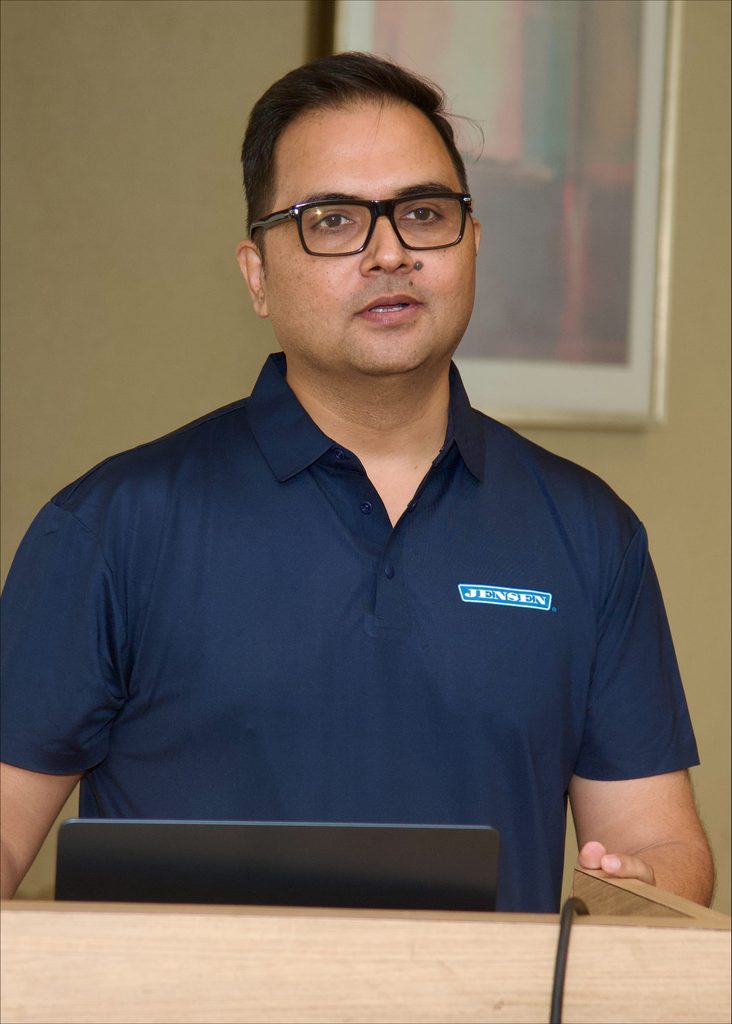
Retail to healthcare, domestic washers to barrier washers — Indian laundry is getting professional. Anand Dubey, Country Manager – South Asia, Jensen Group, maps the two-decade shift.
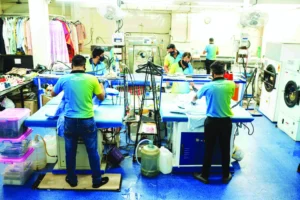
When I started in 2014, I thought I had made a blunder. Laundry was unrecognised, unorganised, and people were not accepting the concept, be it retail or commercial.

A few players were running, but it was not highlighted as a business opportunity. When we discussed with investors, we wanted to bring the European and American self-service model to India. We opened the first store in Kharghar in Navi Mumbai. It failed miserably. We didn’t realise that for India, we have to Indianise the concept. It cannot be typical self-service.
Convenience Pays
What changed everything was convenience. Post-COVID, look how Blinkit, Zepto, Swiggy and Zomato do business — it is all about convenience. We tried multiple times without it and failed. Finally, we adopted pick-and-drop with same-day turnaround — give garments in the morning, get them by evening. After that, the rise has been phenomenal, from zero to over 10,000 retail stores running in India today.
Location Matters
Now people are realising how important machines are. Opportunists are entering with small investment, using upgraded domestic machines thinking they can make quick money. That is where the problem arises. Operational cost and ROI do not match franchise projections.
In retail, however fancy your store, app or advertising, if location is not correct, it is gone. In commercial, collection points must be within reach, so turnaround and delivery time are not burdened.
“In India, laundry cannot be self-service, it has to be pick-and-drop. Convenience changed everything”— Anand Dubey, Country Manager, South Asia, Jensen Group
Automation Must
Post-COVID, people are trying to introduce automation and AI. We are trying to promote that automation will not replace manpower. It will enhance capabilities and give consistency — which is the key in hospitality and healthcare. Skilled manpower remains our biggest challenge. Despite 1.4 billion population, people come to laundry as last option. We collectively need to educate and skill people and change that perception.
Breakthrough
Machines have evolved — from domestic to upgraded domestic to semi-commercial. The biggest demand I see now is in healthcare: the Barrier Washer. Even private and government hospital tenders now clearly mention it — clean and dirty sides separated by a wall, so contamination and cross-contamination do not happen. The person handling dirty linen should not touch clean linen. That is a big boost for hygiene standards.
Still, laundry is still not recognised as an industry in the drop-down list. Jointly, we are working to make it organised and recognised.
Clean India Journal: The Educator
When I started in 2014, I was new. Clean India Journal gave me vital inputs and confidence. CIJ is catering to this industry for a long time and educating people. For the last 14 years, CIJ and Clean India Show have been my reference point. We wait eagerly for the show to see which companies participate and how they compete — healthy competition and a sign that industry is moving in the right direction. CIJ and Clean India Show have set the benchmark and if you want to get an idea about anything in the laundry industry, go visit the website of Clean India Journal or the Clean India Show, where you will get a one-stop solution to any question.