


















Housekeeping Chemicals in India: From Generic to Certified
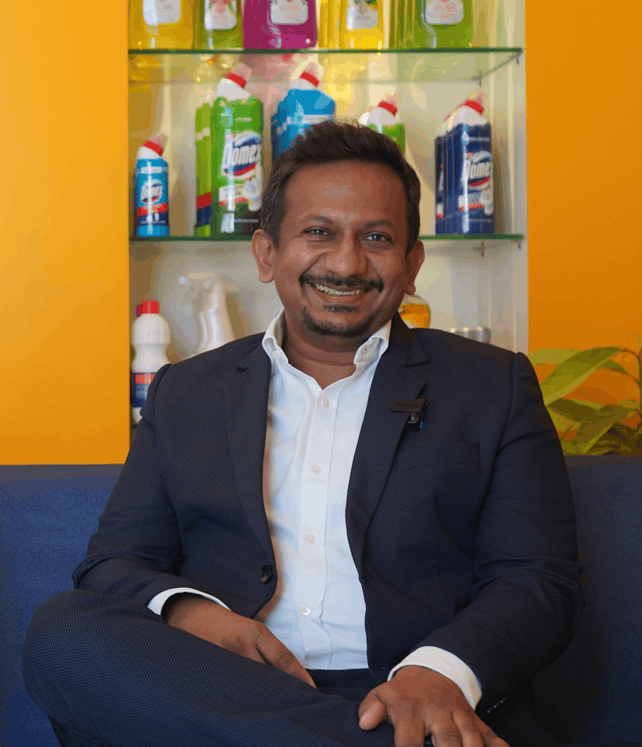
Ashwin Suresh, Managing Director, Megamorph Marketing Pvt. Ltd., speaks on how cleaning chemicals in India moved from generic formulations to certified, science-led manufacturing.
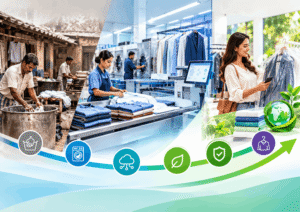
Twenty years ago, professional cleaning in India was largely unorganised and price-led. Chemicals were often generic and undifferentiated, manufacturing was fragmented across small, informally run units, and cleaning itself was treated as a cost line rather than a discipline — bought on the lowest quote, not on outcome or safety. Documentation, traceability and quality systems were the exception, not the norm.

Certified Quality Systems
Today, that has flipped. Cleaning has become a measurable, audited function. Large FMCG and institutional buyers now expect their chemical suppliers to operate under certified quality systems. Megamorph itself is currently certified through BRCGS PCH Issue 4 (Higher Level) across its units. This reflects the growing importance of BRCGS certification in the professional cleaning industry, where the market has organised around scale, compliance and formulation science rather than just price.
It is a shift from what cleans to how it is made, proven and sustained at scale.
Biggest Shift
As a chemicals manufacturer, the sharpest change has been in customer expectations. The shift has been from ‘visibly clean’ to ‘provably hygienic and safe’. Buyers now ask for evidence: formulation data, compliance certificates, batch traceability, and consistent performance at volume — not just a clean-looking result.
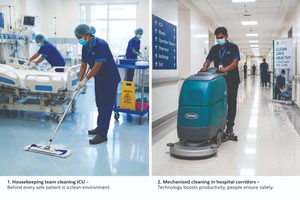
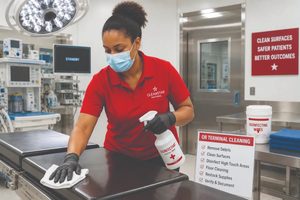
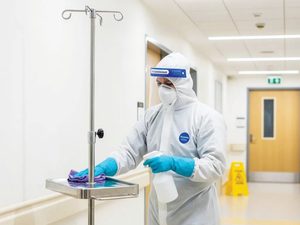
This has also changed the expectations from professional cleaning chemicals and housekeeping chemicals, particularly in institutional environments where hygiene, safety and consistent results are essential.
Sustainability has entered the selection criteria decisively. Concentrated cleaning chemicals, safer chemistries, and reduced plastic and transport footprints are now part of the purchase decision, not add-ons.
The bar has moved from ‘does it clean’ to ‘can you prove it, consistently, at volume’.
In a post-pandemic world where hygiene is linked to safety, brand reputation and ESG reporting, chemistry is no longer invisible. It is audited.
“Large FMCG and institutional buyers now expect their chemical suppliers to run under certified quality systems.”— Ashwin Suresh, Managing Director, Megamorph Marketing Pvt. Ltd.
Automation & Sustainability
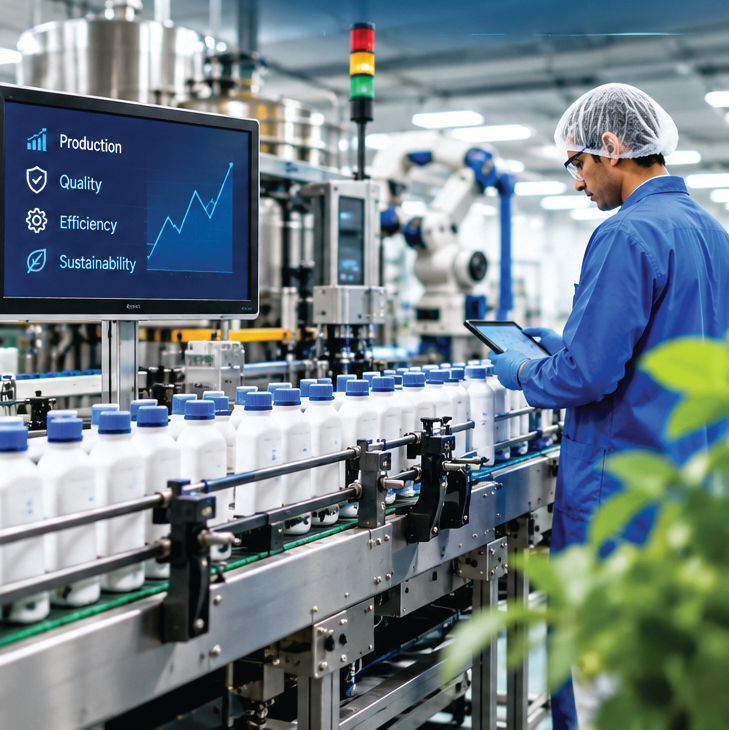
For manufacturing specifically, automation and sustainability will move together, not separately. On the shop floor, that means larger, more automated mixing and packaging lines to maintain consistency at scale as volumes grow, alongside a continued push towards concentrated cleaning chemicals, safer formulations and a lower water and plastic footprint per unit produced.
For cleaning chemical manufacturers in India, this transition highlights the need to combine manufacturing efficiency with quality assurance, regulatory compliance and sustainable product development.
AI Impact
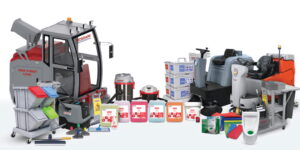
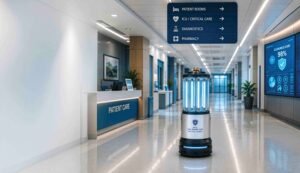
AI and robotics will matter more visibly on the equipment and facility-services side — smart dosing, usage monitoring and robotic cleaning in large institutional spaces. But even there, the underlying enabler will be the same thing driving change in chemicals: data and traceability becoming table stakes across the value chain, not a differentiator reserved for the largest players.
CIJ Is the Connective Tissue of a Scattered Industry
In a market once scattered across equipment, chemicals, facility services and end users, with very little shared vocabulary, Ashwin Suresh credits Clean India Journal for providing continuity.
“CIJ has been the connective tissue for an industry that was otherwise scattered. By consistently covering technology, compliance and best practice for two decades, it gave the market a common reference point for what ‘professional’ cleaning actually looks like,” he said.
That common reference point, he says, gave organised, quality-led players like CareClean a platform to be seen and benchmarked, rather than competing purely on price in a fragmented, invisible market.
Megamorph’s association with Clean India Journal goes back to 2012, when CareClean took a 10 sq. mt. stall at the Clean India Show — modest at the time, but one of the bigger stalls for a brand its size then.
“Since that first edition, Clean India Journal and the Clean India Show have consistently given us a platform to connect with the industry — not just customers, but peers and counterparts, to exchange notes on trends and where the industry was headed. That relationship has stayed a genuinely important part of CareClean’s growth story.”
The most memorable touchpoint, however, was the Housekeepers’ Summit organised in Sri Lanka.
“It was a unique platform. CareClean showcased in front of housekeepers from multiple countries, with interactive games and innovations we planned specifically for that audience. It remains one of our most memorable touchpoints with the industry CIJ has built,” he said.
Ask the expert
Have a question about this article? Put it to the people in it. We pass your details on and they come back to you directly.