




























FDA Raids: The Great Kitchen Reset
For years, housekeeping in restaurants was often seen through a simple lens: Clean floors, spotless tables, shining washrooms and a presentable kitchen. What happened behind the swing door was another world. That world has now come under the scanner. The recent Maharashtra Food and Drug Administration (FDA) crackdown, led by its Commissioner Tukaram Mundhe, is changing that perception. Suddenly, the housekeeping team is finding itself at the centre of the food-safety conversation and the hospitality sector is on a reset, writes Samaresh Acharya, Special Correspondent of Clean India Journal
The scale of the FDA enforcement has been significant. Between June and August 2026, the Maharashtra FDA under Commissioner Tukaram Mundhe undertook a three-month, state-wide enforcement drive, conducting over 12,000 inspections. The inspections have exposed problems ranging from pest infestation and poor sanitation to improper storage, inadequate segregation and deficiencies in drainage and documentation.

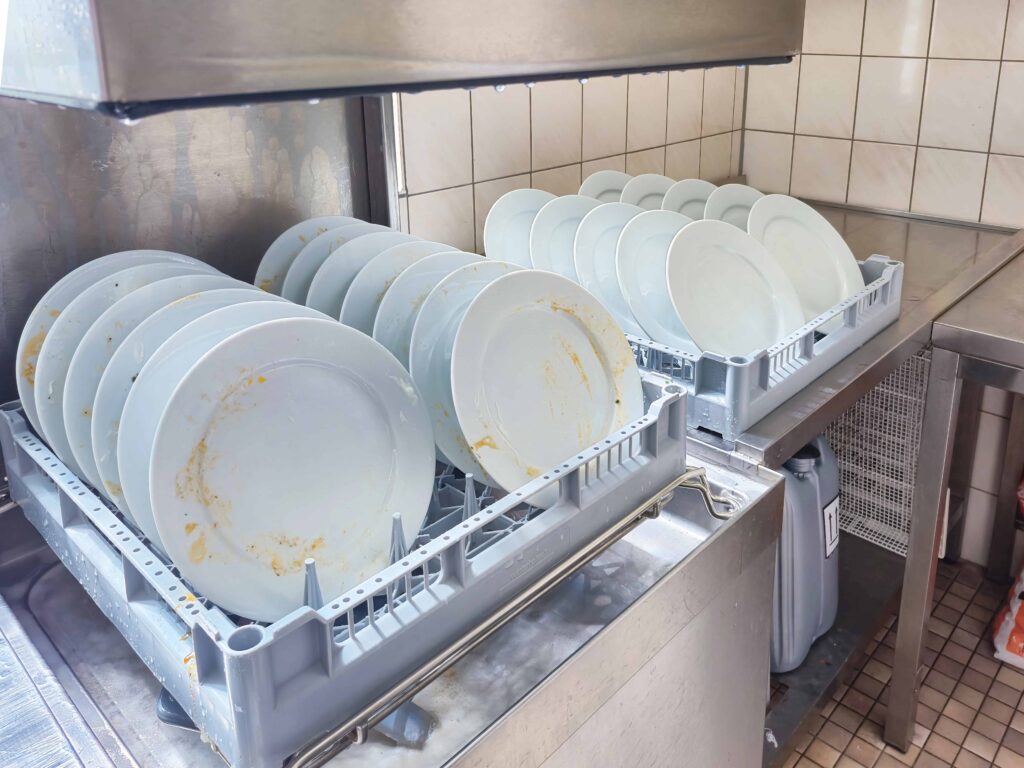
At Mumbai’s Noor Mohammadi Hotel, for instance, an FDA action resulted in a 21-day closure, and the kitchen was subsequently remade. Staff were also seen wearing gloves and hairnets, reflecting a sharper focus on personal hygiene.
At Cafe Mondegar in Colaba, FDA officials reportedly found deficiencies involving food temperatures, thawing and cooling practices. At three ISKCON food units in Juhu, inspections highlighted pest infestation, inadequate storage and segregation, poor drainage, and gaps in employee medical checks and food-safety training.
In Vidarbha region, Amravati Darbar, a restaurant in Amravati, was ordered to cease operations with immediate effect after the FDA officials found it was functioning without a valid food licence.
In Nagpur, even the Doctors’ Canteen, located in Indira Gandhi Government Medical College and Hospital (also known as Mayo Hospital), wasn’t spared. During an inspection, the FDA officials found that the canteen didn’t have any valid food business licence, besides shortcomings in waste disposal and unhygienic food-serving areas.
Pune eateries too faced the brunt with Maharashtra FDA suspending the licence of seven restaurants and hotels and in July for serious lapses, unhygienic condition etc.
The message for housekeeping heads is clear: Cleaning can no longer end with what the customer sees.
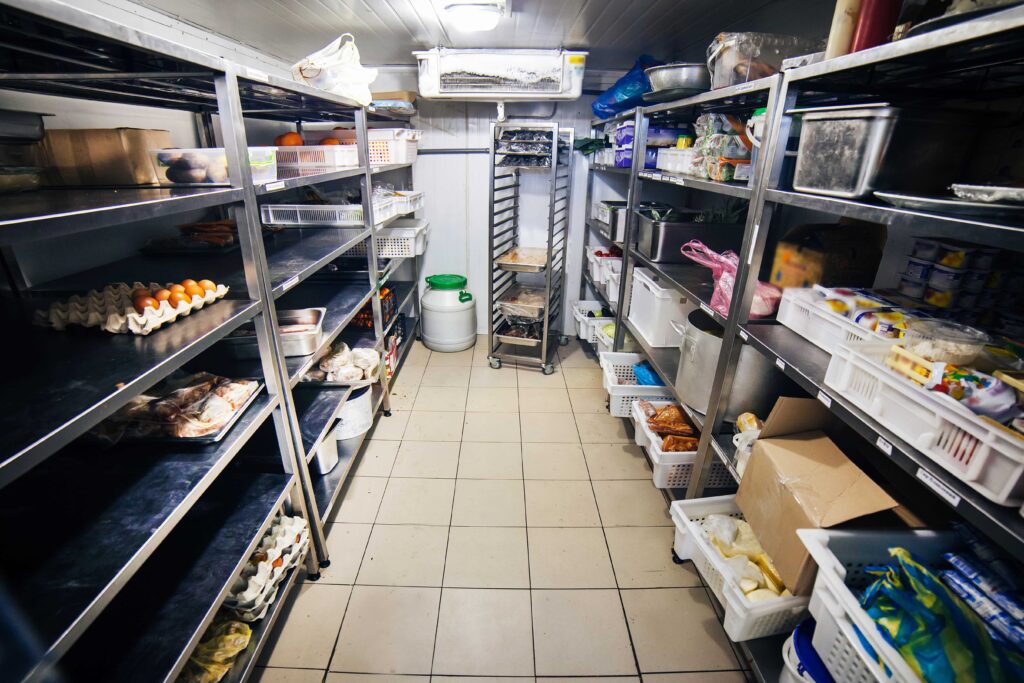
Drains, garbage areas, exhaust systems, refrigerators, pest-control points, food-contact surfaces and even cleaning records have become part of the larger hygiene ecosystem. In professionally managed restaurant chains, internal audits, temperature logs, cleaning checklists and photographic evidence are increasingly being used to identify problems before an external inspector does.
The response is also creating a new demand for expertise. Hotels and restaurants in Maharashtra have reportedly begun approaching food-safety consultants and food technologists to address gaps in pest control, water testing, staff training and compliance documentation.
This could be the most important change triggered by the raids: Housekeeping is moving from the backroom to the boardroom. The housekeeping head, food-safety supervisor, chef and operations manager now have to work as one team.
Because the real question is no longer, “Does the restaurant look clean?”
It is: “Can the restaurant prove that it is clean, safe and consistently maintaining that standard?”
And that is a very different definition of housekeeping.
FDA ACTION: Key takeaways
- Between June-August 2026, Maharashtra FDA conducted 12,083 inspections across food businesses, issuing 5,269 improvement notices and suspending 603 licences in total. Average monthly action jumped from 258 cases (5-year average) to 293 cases. Hotels/Restaurants were core target – 1,803 inspections
- Of the total, 1,803 were hotels, restaurants, dhabas, clubs and similar eateries. From this segment, 948 improvement notices and 199 licence suspensions for serious Schedule-4 breaches.
- Food stock worth ₹67.20 crore seized state-wide during the 3-month drive. This included ₹42.17 crore from 696 raids on edible oil, khawa, sweets, ghee, bakery, spices etc.
- Drive led to 875 arrests and 655 FIRs. 644 of those FIRs were specifically for banned products like paan masala/gutkha with 867 arrests, 110 vehicles seized and stock worth ₹19.62 crore.
- As many as 2,766 samples of milk/milk products collected, stock worth ₹5.4 crore seized. Separate festive crackdown Sep 23-27 seized 50,601kg worth ₹1.19 crore of khova (dried milk solid), paneer, ghee, sweets.
- FDA Commissioner Tukaram Mundhe framed it as ‘Empower, Enable, Enforce’ — most outlets given 2 weeks to correct violations before suspension. He said Schedule-4 requirements are ‘non-negotiable’.
FDA FINDINGS
- Cockroach/rodent infestations
- Raw chicken cross-contamination
- Cold-chain breaches
- Lack of clean water/drainage
- Faulty refrigeration
- Foul odour, mould layer
Ask the expert
Have a question about this article? Put it to the people in it. We pass your details on and they come back to you directly.