














































About Sustainability
Sustainability gathers the environmental side of cleaning, facilities and waste. In hospitality it covers green housekeeping products, the laundry system Taj Hotels adopted with Diversey to save water and electricity, and Fairmont Jaipur's path to Green Globe certification. Public sites include green-certified railway stations in New Delhi and Mumbai, treated wastewater at Bengaluru's Chinnaswamy stadium and waste management at the Mahakumbh.
Packaging and materials appear through Kerala's bio-bottles for drinking water, corn-based milk packets in Bengaluru and plant-based leather from tomato waste. On finance and governance there are Ghaziabad's green municipal bonds, an ESG programme for CSR professionals, Tenon Group's ESG commitments, government green infrastructure, Mumbai's plans for a garbage-free city and an assessment of faecal sludge treatment plants in Uttar Pradesh.
The section is written for sustainability and CSR heads, facility managers, hoteliers and municipal planners.
Start here
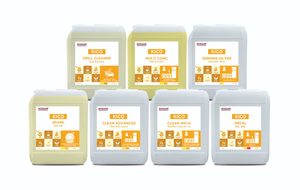
- Eco-Conscious Housekeeping: What are Green Products and How to Implement Them What counts as a green cleaning product and how to bring green products into housekeeping
- Fairmont Jaipur First Green Globe Certified Hotel in India Fairmont Jaipur's roadmap to sustainable hospitality and Green Globe certification
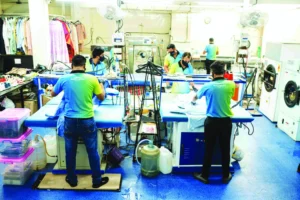
- Taj Hotels partners with Diversey How Taj Hotels set out to save water and electricity in its laundries with Diversey
- Two major railway stations gain green certification What earned New Delhi and CSMT railway stations their platinum green ratings
- Ghaziabad issues India’s first municipal green bonds How Ghaziabad raised money through India's first green municipal bond
- Sustainability Assessment O&M of Waste Management Plants in UP How Uttar Pradesh's faecal sludge treatment plants are operated and maintained
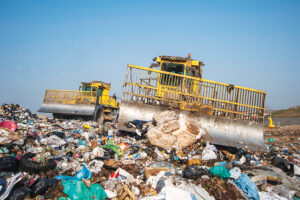
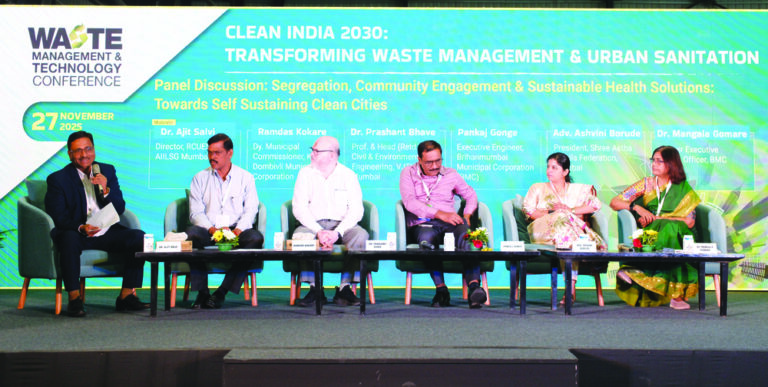
- Sustainability and Waste Management Tackling Mahakumbh’s formidable challenge How hygiene, waste and sustainability were handled at the Mahakumbh
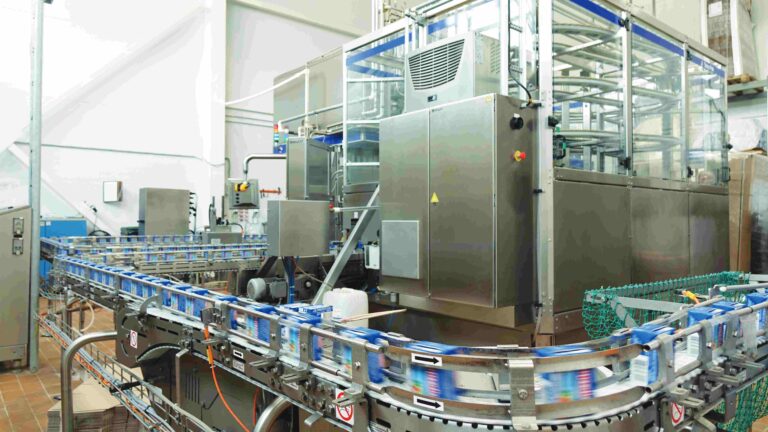
- How Dairy Packaging Reduces Waste How Bengaluru Milk Union replaced polythene milk covers with corn-based packets
Questions readers ask
Which Indian city issued the first green municipal bond?
Ghaziabad Nagar Nigam raised ₹150 crore at a cost of 8.1% through India's first Green Municipal bond issue, to fund a tertiary water treatment plant. Read the article
What are green cleaning products?
Cleaning solutions that prioritise biodegradability, non-toxicity and reduced environmental impact throughout their lifecycle, from detergents and disinfectants to tools and packaging. Read the article
How much water does Chinnaswamy stadium need during the IPL?
Bengaluru's Chinnaswamy stadium requires 75,000 litres of water daily during IPL matches for the pitch, cleaning and spectator sanitation, and treated wastewater is supplied to meet it. Read the article
What are Kerala's bio-bottles made of?
KIIDC's bio-bottles for packaged drinking water are made from starch derived from renewable resources such as corn and sugarcane, and are designed to be fully biodegradable. Read the article