


























Scientific Monitoring Must For Infection Prevention

Visual cleanliness can be dangerously misleading in healthcare settings. Dr Anjan Mukherjee, Senior Consultant Microbiologist, Apollo Multispeciality Hospitals, Kolkata and Adjunct Associate Professor, Apollo Health Education Research Foundation, explains why hospitals must replace subjective inspections with scientifically validated monitoring systems to ensure infection prevention, improve patient safety and transform environmental hygiene into an evidence-based clinical discipline.
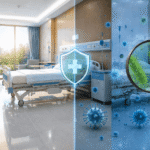
For decades, hospitals have judged cleanliness largely by appearance. If a room looked spotless and free of dust or stains, it was considered safe. However, my experience in infection prevention and growing scientific evidence tell a very different story. A surface can appear perfectly clean yet continue to harbour harmful microorganisms capable of causing healthcare-associated infections (HAIs). As hospitals face increasingly complex infection risks, we must move beyond assumptions and adopt scientific methods that objectively verify whether cleaning has truly made the environment safe.

The future of hospital hygiene lies in evidence rather than perception. Scientific validation tools now allow us to measure cleanliness with precision, helping environmental services teams improve performance, reduce infection rates and create safer healthcare environments. The question is no longer whether a surface looks clean but whether it is clinically clean.
Hidden Risks
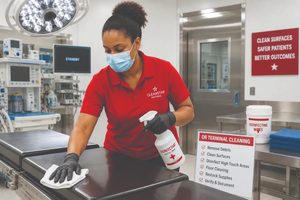
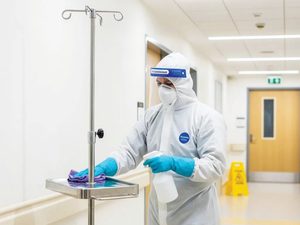
Hospitals are home to patients with weakened immunity, invasive devices and complex medical conditions, making them particularly vulnerable to infection. Many dangerous pathogens, including antibiotic-resistant bacteria, can survive on hospital surfaces for days, weeks and sometimes even months. Bed rails, infusion pumps, overbed tables and other frequently touched surfaces can become silent reservoirs of infection despite appearing spotless.
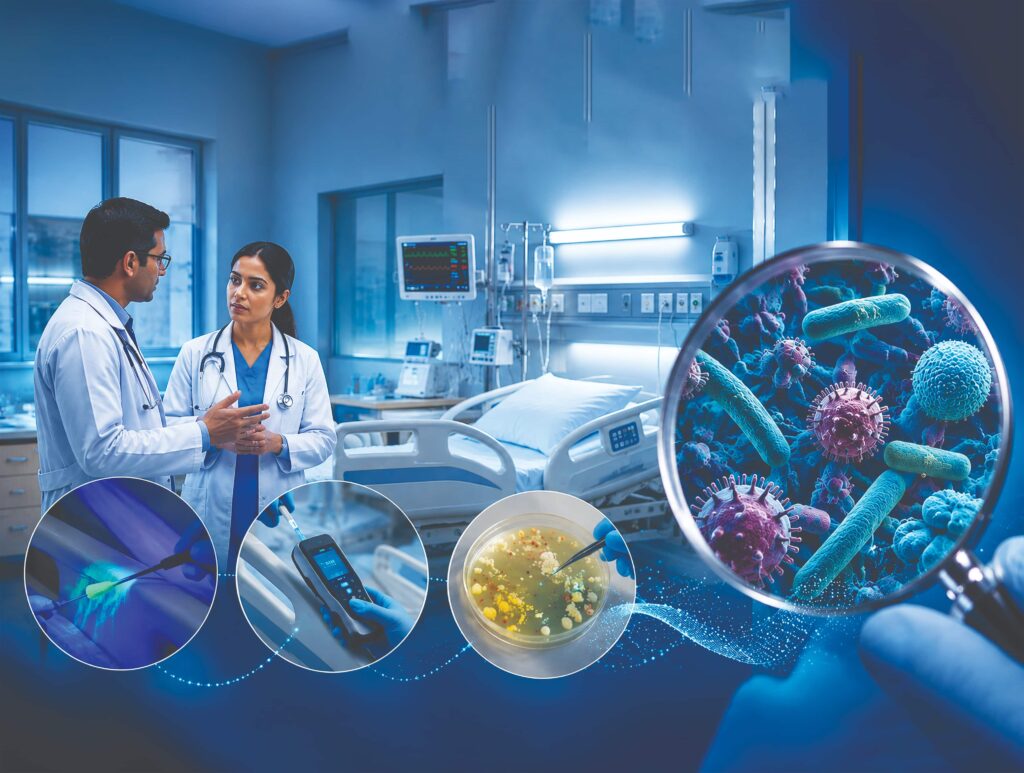
Traditionally, hospitals have relied on visual inspections to assess cleaning quality. While such inspections are quick and inexpensive, they are inherently subjective. Different auditors may assess the same room differently depending on lighting conditions, furniture condition or personal judgement. More importantly, the human eye cannot detect microorganisms. A visually clean surface provides no assurance that harmful pathogens have been eliminated.
Relying solely on appearance creates a false sense of security that can ultimately compromise patient safety. Hospital hygiene must therefore be measured using objective scientific methods rather than aesthetic standards.
“A spotless-looking hospital surface may still harbour dangerous pathogens”— Dr Anjan Mukherjee Senior Consultant Microbiologist, Apollo Multispeciality Hospitals, Kolkata and Adjunct Associate Professor, Apollo Health Education Research Foundation
Scientific Evidence
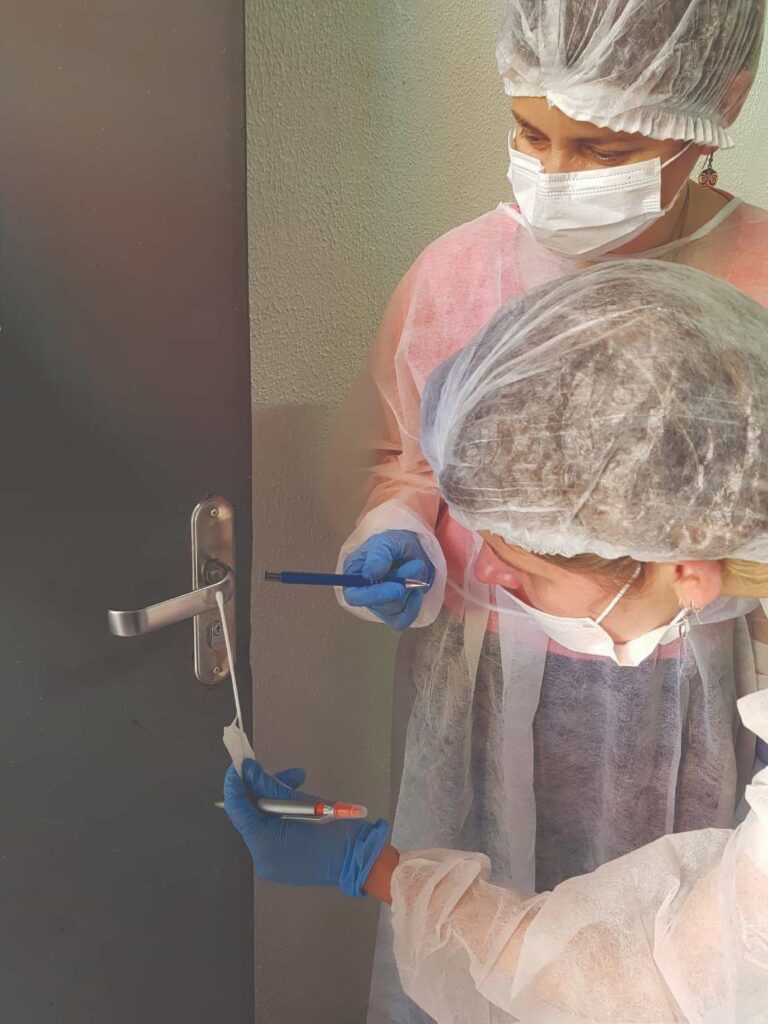
Modern infection prevention has introduced several technologies that provide measurable evidence of cleaning effectiveness. Each addresses a different aspect of environmental hygiene and together they offer a far more reliable assessment than visual inspection alone.
One of the most widely adopted tools is ATP bioluminescence testing. ATP, a molecule present in living cells and organic material, can be rapidly detected using handheld instruments that provide numerical readings within seconds. Higher readings indicate the presence of organic contamination and highlight areas requiring further cleaning. This immediate feedback enables environmental services teams to correct deficiencies before patients are exposed.
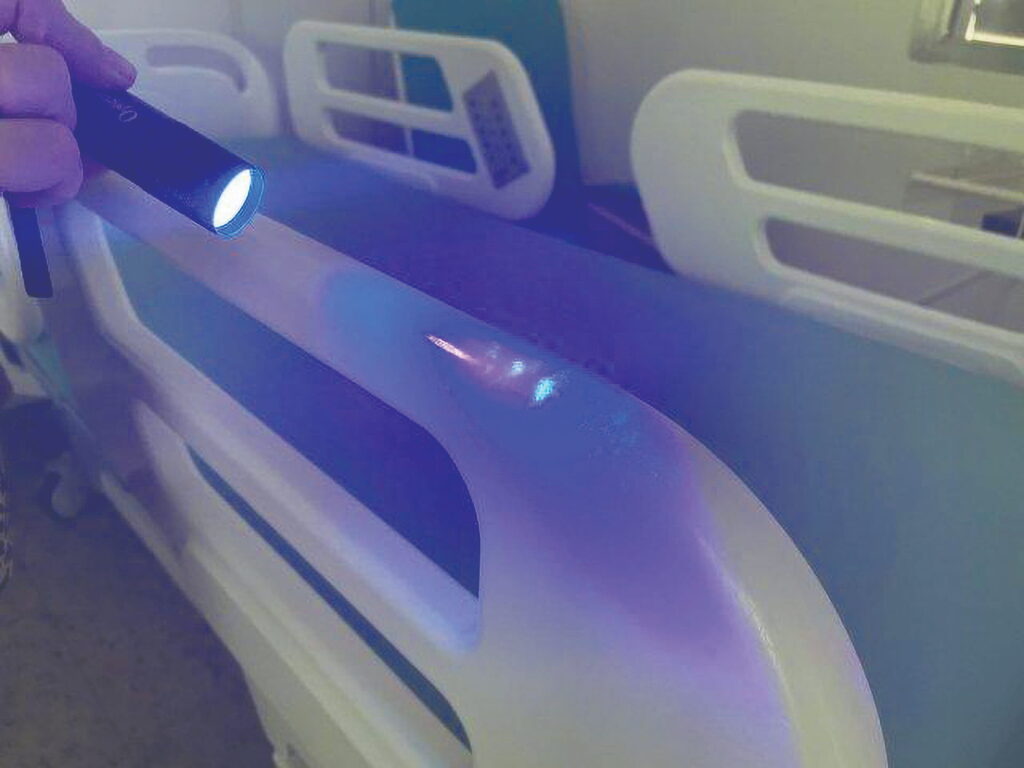
Another valuable approach uses fluorescent markers. Before cleaning begins, an invisible fluorescent gel is discreetly applied to selected high-touch surfaces. Once cleaning is completed, auditors use ultraviolet light to determine whether the marker has been completely removed. This method does not detect microorganisms directly but provides an accurate indication of whether surfaces were physically wiped and cleaned properly.
Proven Results
For definitive confirmation, microbiological culture testing remains the gold standard. Surface samples are analysed in the laboratory to determine the actual number of viable microorganisms present. Although culture testing requires additional time, it provides the highest level of scientific evidence and is particularly valuable during outbreak investigations or when validating cleaning protocols.
These technologies complement one another rather than compete. ATP testing delivers rapid operational feedback, fluorescent markers assess cleaning technique, and microbiological cultures confirm biological safety. Together they create a comprehensive quality assurance system that replaces assumptions with measurable evidence.
The benefits extend well beyond compliance. Hospitals that have implemented structured, data-driven cleaning verification programmes have reported dramatic improvements in cleaning performance, with compliance levels increasing from nearly two-thirds to well above 90 per cent. More importantly, better cleaning verification has translated into substantial reductions in healthcare-associated infections, surgical site infections and device-related infections.
Changing Mindset
The greatest transformation required is cultural rather than technological. Cleaning should no longer be viewed as a housekeeping activity judged by appearance. Instead, it must be recognised as a critical clinical intervention that directly influences patient outcomes.
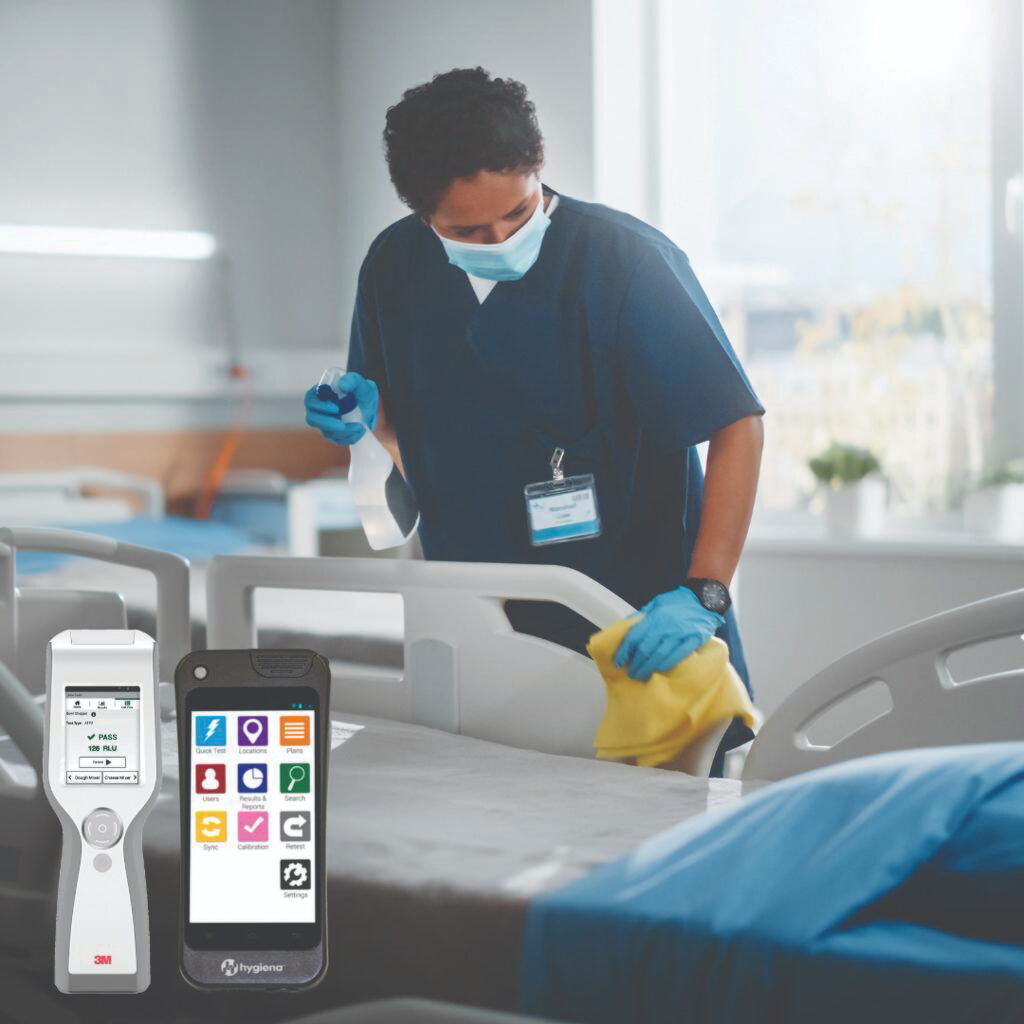
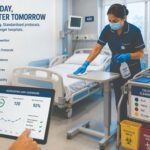
Environmental services teams also benefit from objective measurement. Instead of relying on subjective observations, they receive immediate, measurable feedback that supports training, improves consistency and encourages continuous quality improvement. Data also enables hospital administrators to identify recurring problem areas, allocate resources more effectively and demonstrate compliance with accreditation requirements.
Future Standard
As healthcare continues to become more sophisticated, infection prevention must evolve alongside it. Scientific validation is no longer an optional enhancement but an essential component of modern hospital hygiene. Combining rapid ATP testing, fluorescent marker audits and targeted microbiological surveillance allows hospitals to establish a robust defence against preventable infections.
Ultimately, the distinction between being visually clean and clinically clean may determine whether a patient recovers safely or develops a preventable infection. By replacing subjective judgement with scientific evidence, hospitals can ensure that every cleaned surface truly contributes to patient safety. In modern healthcare, cleanliness should never be assumed—it must always be proven.