



















Equipping Judgment, Not Just Trolleys

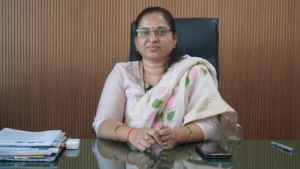
Trolley checklists have not changed, but housekeeping has. Chathura Wijesundara, Housekeeping Executive, Anantaya Resort & Spa, Sri Lanka, in a conversation with Clean India Journal, argues the future is about judgment, data and sustainability, not just tools.
Every few years, an article appears listing the tools a housekeeper should carry. Gloves, microfiber cloths, a trolley, a vacuum. The list rarely changes, and neither does the thinking behind it.

After years of building housekeeping departments from the ground up, including pre-opening setups where every system had to be created rather than inherited, I have come to believe the industry keeps answering the wrong question. The question should not be “what should a housekeeper carry.” It should be “how has the job itself changed, and are we equipping people for that change.”
The answer, if you look honestly at where hospitality is heading, involves far more than chemicals and cloths.
Task To Judgment
For most of its history, housekeeping was measured by output. Rooms cleaned per shift, minutes per checkout, linen changed on schedule. That model still exists, and it still matters for cost control. But guest expectations have moved past it. A guest today notices whether a room feels considered, not just whether it looks clean. That distinction sounds small, but it changes what we train for.
A modern housekeeper needs judgment as much as technique. Knowing that a returning guest prefers extra pillows without being told again. Noticing that a room facing the pool gets more dust from outdoor activity and needs a different cleaning frequency. These are not tasks you write into a checklist. They come from training people to observe, not just execute.
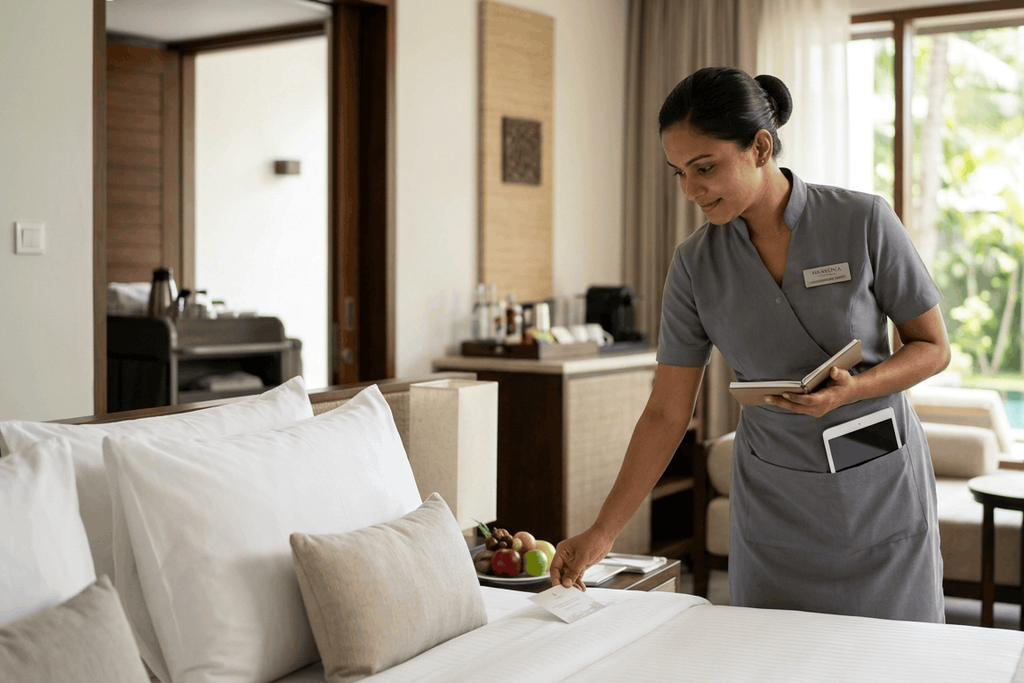
We have to see housekeeping team not as workers completing a checklist, but as a service function that shapes the guest’s memory of the property more than almost any other department because it operates in the most personal space a guest occupies. Training for judgment, and giving people confidence to use it, impacts guest satisfaction scores in a way no chemical or tool can match.
Tech Talk
Much of what gets called “modern housekeeping technology” is marketing dressed up as innovation. But some tools have proven their worth in daily operations, and properties that ignore them are falling behind.
Mobile Task Management
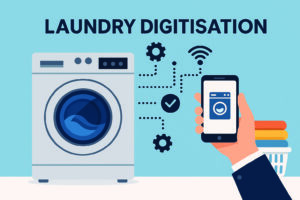
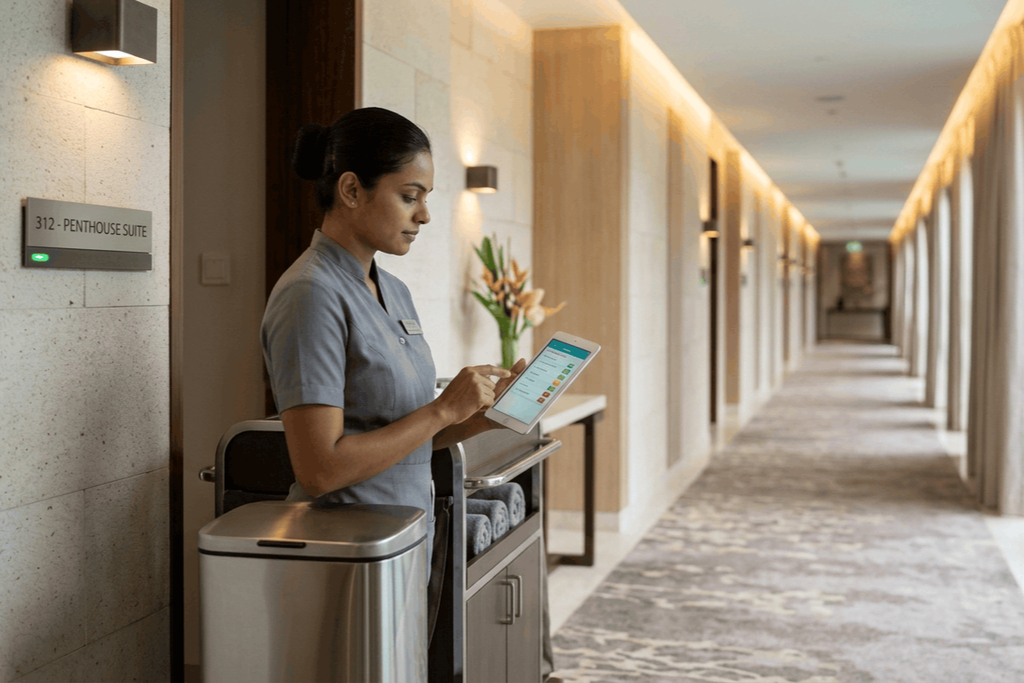
Paper checklists and radio calls are slowly disappearing from well-run properties. A simple app that assigns rooms, tracks status in real time, and flags maintenance issues the moment they are found saves hours across a shift. It also gives supervisors visibility they never had before, without walking every corridor to check progress.
Visible Hygiene
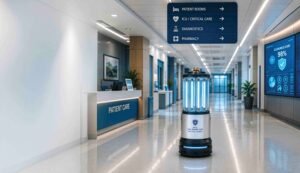
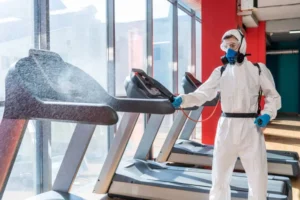
UV-C sanitising devices, once seen as an unnecessary expense, are now standard in many properties for phones, remote controls and light switches. Guests who travel internationally have grown used to seeing visible hygiene measures, and this is one of the few that is both effective and easy to demonstrate.
Compact steam equipment has also moved from specialist to daily use. It handles mattress sanitising, curtain refresh and grout work without heavy chemical use, which matters both for guest wellbeing and for properties trying to reduce their chemical footprint.
“A department that reviews this data monthly can retrain, reassign or repair before small issues become guest complaints”— Chathura Wijesundara Housekeeping Executive Anantaya Resort & Spa, Sri Lanka
Data Advantage
This is the change I find most valuable, and the one least discussed. When you track which rooms generate repeated maintenance requests, which floors take longer to turn around, and which shifts show a rise in guest complaints, patterns emerge that no amount of walking the property will reveal.
A department that reviews this data monthly can retrain, reassign or repair before small issues become guest complaints. Data on room turnaround and defect patterns turns housekeeping from reactive to preventive.
Sustainability Not Optional
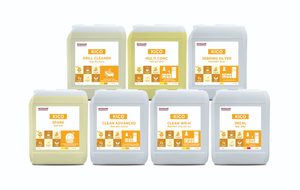
Guests ask about it, auditors check for it, and younger travellers in particular judge a property on it. Concentrated chemicals with proper dilution systems, refillable amenity dispensers instead of single-use bottles, and linen reuse programmes that are explained to guests rather than assumed, have all moved from nice-to-have to expected.
A housekeeping department that has not adjusted its chemical and amenity strategy in the last three years is already behind where its competitors are.
Trained Judgment
If there is one point I would want every owner and department head to take from this, it is that none of the above matters without trained judgment behind it. A property can invest in the best equipment and still fall short if the person using it has not been taught why a certain cleaning sequence exists, or what a guest’s small comment during check-in might mean for how their room should be prepared.
Training in this industry has often focused on speed and compliance. What it should focus on equally is decision-making. Teaching a housekeeper to notice, to think ahead and to take ownership of a guest’s experience produces better results than any product on a trolley.
The properties that understand this, and invest in people rather than only in equipment, are the ones building housekeeping departments that guests remember for the right reasons.