
















Vietnam’s Housekeeping Moment: Hotels, Staff and Technology
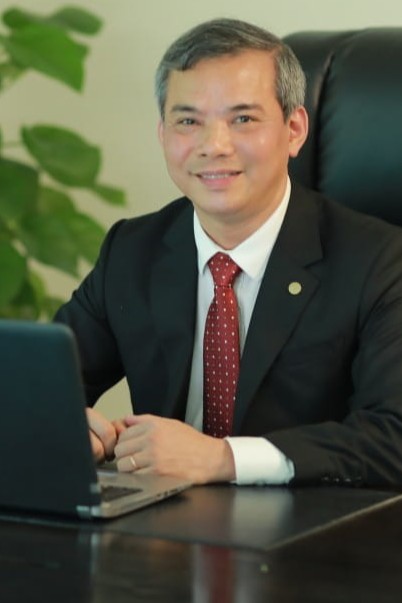
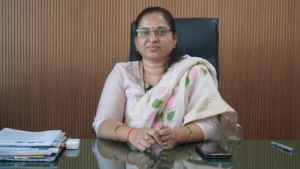
From rapid hotel growth and tourism recovery to sustainability and technology, Vietnam’s hospitality landscape is changing fast. In a conversation with Clean India Journal, Quang Nguyen, Chairman of the executive housekeepers association in Vietnam, says housekeeping in Vietnam is no longer just back-of-house — it is now central to guest experience, reputation and business performance.
Over the past few years, Vietnam’s hotel industry has been developing rapidly. The biggest change is the shift in perception of housekeeping. Earlier, housekeeping was often seen mainly as a department responsible for cleaning rooms, maintaining hygiene and protecting hotel assets. Today, housekeeping is increasingly recognized as a strategic department that directly affects guest satisfaction, brand standards, cost control, sustainability and overall hotel performance.

After the pandemic, cleanliness and hygiene became even more important. At the same time, guests now expect not only clean rooms, but also comfort, personalization, safety, environmental responsibility and consistent service. This has pushed housekeeping teams in Vietnam to become more professional, more flexible and more guest-focused.
Housekeeping operations
Manpower shortages and high turnover post-pandemic remain critical challenges across Asia, including Vietnam. The hotel staff shortage has made it increasingly important for hotels to improve workforce management and find efficient ways to maintain service standards. To address this, hotels are adopting a dual approach:
Outsourcing and Flexible Labour: Outsourcing housekeeping to specialized third-party cleaning partners for heavy-duty tasks or peak-season demands allows core staff to focus on high-touch guest areas.
Multiskilling and Tasking: Cross-training attendants to handle diverse tasks, optimizing labour deployment without sacrificing detail.
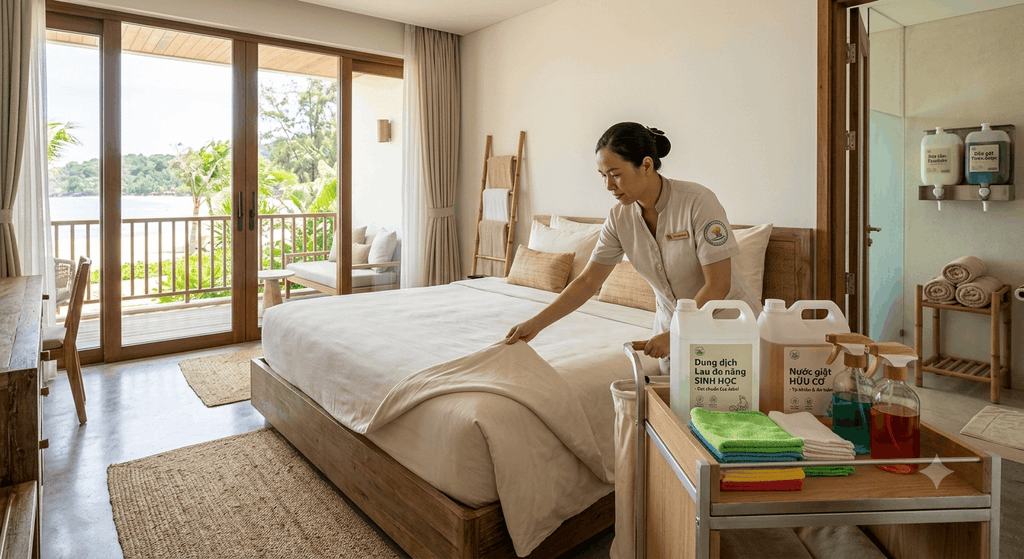
Employee Value Proposition: Shifting focus toward fair workload management, safer working environments through ergonomic tools and non-toxic chemicals, and clear career progression to improve retention.
Tech Support
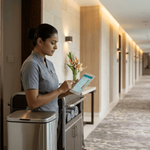
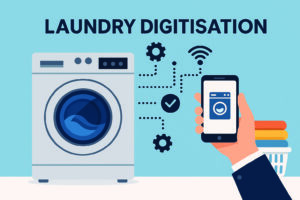
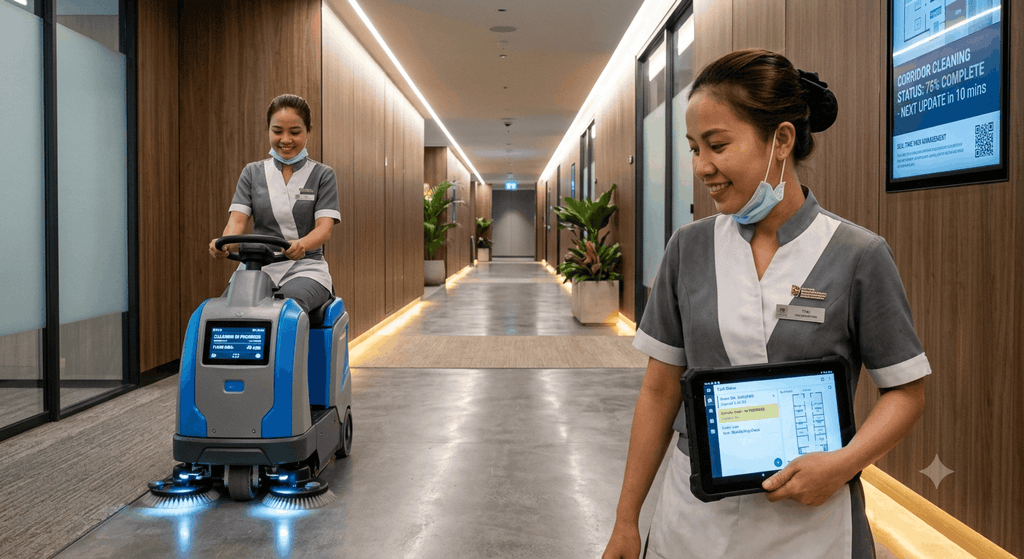
Housekeeping technology is beginning to improve operations in Vietnam. Digital room assignment systems, mobile task management, minibar and maintenance reporting apps, lost-and-found systems, linen inventory control and real-time communication tools are helping teams work faster and more accurately.
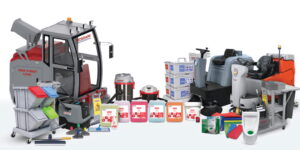
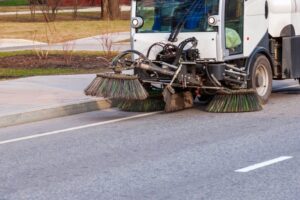
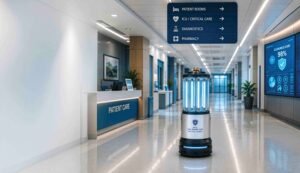
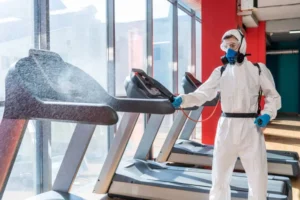
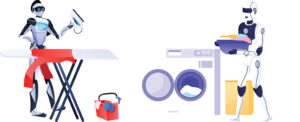
Mechanised cleaning equipment, professional vacuum systems, floor scrubbers, steam cleaners, laundry technology and robotic pool or public-area cleaning solutions are also supporting productivity, especially in large hotels and resorts. What works well is technology that solves real operational problems: faster communication, better tracking, fewer mistakes, improved productivity and easier quality control.
However, technology can fall short when it is introduced without proper training or integration into daily workflows. Hotels must ensure that employees understand how to use these tools and that the systems support existing housekeeping processes.
“In Vietnam, future of housekeeping is not only about cleaner rooms, but better hospitality and experience”— Quang Nguyen Chairman, Vietnam Executive Housekeepers Association
Manpower & Mechanisation
The balance is changing gradually. Hotels are becoming more open to mechanisation and digital tools, especially because labour shortages and cost pressures are increasing. Machines can clean, record and report. But people create care, judgement, warmth and trust. That human touch remains the soul of housekeeping.
While technology can reduce repetitive work and improve efficiency, it cannot replace the human judgement required to understand guest needs and deliver personalised service. Hotels must balance mechanisation with employee training and workforce development to maintain service quality.
Sustainability Requirements
Sustainability is becoming more important, with housekeeping teams getting involved in several practical areas: reducing water and energy consumption, controlling laundry frequency, managing linen life cycles, using chemicals more responsibly, reducing single-use guest amenities, improving waste separation and supporting green procurement.
Many hotels are encouraging towel and linen reuse programmes, refillable amenity dispensers, more eco-friendly cleaning products, better chemical dilution systems and staff awareness training.
However, sustainability must be practical. It should not reduce guest comfort or become only a slogan. Housekeeping teams need clear procedures and measurable targets to ensure that environmental initiatives deliver tangible results without compromising hygiene or service standards.
Guest Expectations
Guests are more demanding and more aware than before. Cleanliness is now a basic expectation, but guests also look for visible hygiene, a fresh smell, comfortable bedding, good bathroom condition, convenience, safety and small personalised touches. They notice details more quickly and share feedback immediately through online platforms.
Housekeeping in Vietnam is adapting by improving inspection standards, strengthening communication and training staff. These efforts help hotels respond to guest expectations while maintaining consistent standards across rooms and public areas.
Operational Challenges
The biggest operational challenges facing housekeeping departments in Vietnam today include the shortage of professional housekeeping talent, increasingly high guest expectations, productivity pressure, inconsistent training quality and the need to maintain service standards across different hotel segments.
The continuing hotel staff shortage also puts pressure on existing employees, making workload management, staff retention and operational efficiency essential priorities for hotel management.
One issue that the industry needs to discuss more openly is the perception of housekeeping in Vietnam. In many cases, housekeeping is still seen as a back-of-house and physically demanding job, while in reality, it is a department that directly influences room quality, guest experience, brand reputation, cost control and overall hotel operational efficiency.
Greater recognition of housekeeping professionals, improved career opportunities and investment in training can help strengthen the department’s position within the hospitality industry.
Looking Back
Five years ago, many hotels still focused heavily on task completion: how many rooms were cleaned, how fast the work was done and whether the checklist was completed.
Today, I would not manage housekeeping only by tasks and numbers. We still need productivity, but we also need to measure quality, guest feedback, team engagement, sustainability performance, cost efficiency and staff well-being.
This shift reflects a broader understanding that effective housekeeping management requires a balance between operational targets and the quality of the guest experience.Five years ago, many hotels still focused heavily on task completion: How many rooms were cleaned, how fast the work was done and whether the checklist was completed. Today, I would not manage housekeeping only by tasks and numbers. We still need productivity, but we also need to measure quality, guest feedback, team engagement, sustainability performance, cost efficiency and staff well-being.
What’s in Store
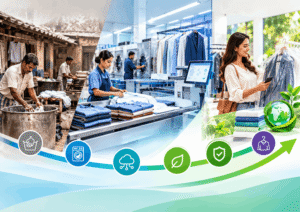
Over the next five years, housekeeping in Vietnam will be defined by five key factors: people, productivity, technology, sustainability and guest experience.
The executive housekeepers association and hospitality professionals will continue to play an important role in promoting professional standards, sharing industry knowledge and encouraging better housekeeping practices.
Technology and mechanisation will continue to grow, while outsourcing housekeeping may offer hotels greater flexibility during peak seasons and periods of high demand. However, people will remain at the heart of hospitality. The future will depend on how effectively hotels combine skilled employees, efficient processes, appropriate technology and sustainable practices to deliver better guest experiences.