






















Beyond the Broom: Cleaning as a Business-Critical Function
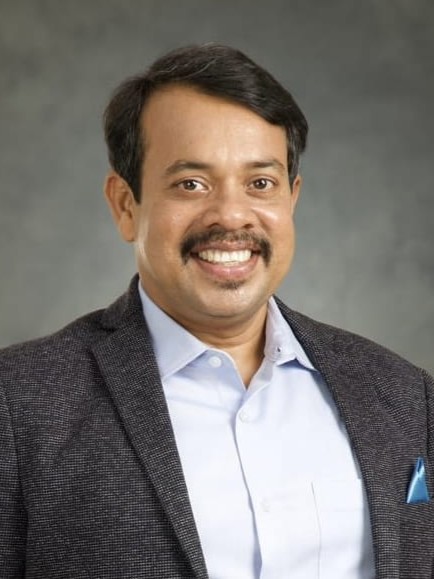
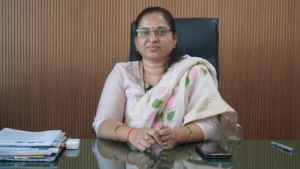
From manpower-led support to business-critical function, cleaning in India has come of age. Dr Haraprasad Panda, Executive President, Kapston Services Limited, traces the shift.
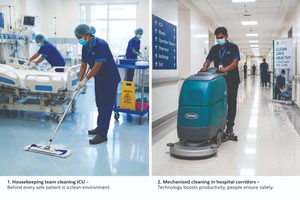
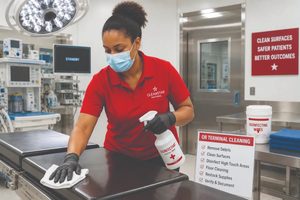
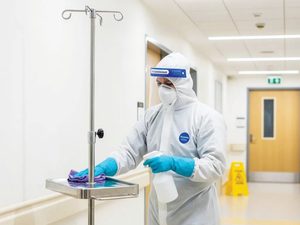
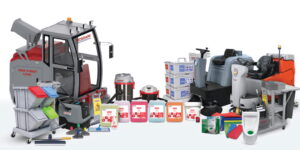
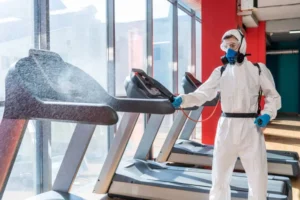
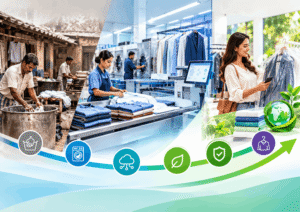
Cleaning was largely viewed as a support function 15–20 years ago. The focus was on manpower, basic equipment and getting the job done. Today, cleaning and facility management are critical to workplace experience, health, safety, productivity and business continuity. The growing importance of facility management in India reflects this transformation. Technology, specialised equipment, professional training, green cleaning products, SOPs and measurable outcomes have raised the bar.

The biggest shift is that cleaning is no longer just about cleanliness; it is about creating healthier, safer and more productive environments. Today, cleaning as a business-critical function is increasingly recognised for its role in protecting employee well-being, supporting operational efficiency and ensuring business continuity.
Wanting More
Customers today expect much more than manpower. They expect consistency, accountability, trained professionals, technology-enabled services and measurable outcomes. There is greater understanding that cleaning quality directly influences employee experience, health and perception of a workplace. As a result, workplace hygiene has become an important consideration for businesses across sectors.
The industry has moved from a people, process, technology model to one that increasingly integrates all three with data-driven decision-making. Clients want partners who understand their environment and provide solutions rather than simply execute a checklist.
“Cleaning quality directly influences employee experience, health and perception of a workplace.” — Dr Haraprasad Panda, Executive President, Kapston Services Limited
S-G-S
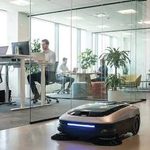
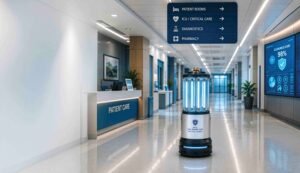
The next decade will not be defined by one technology, but by how intelligently we combine people, process, technology and sustainability. AI will help analyse data and predict requirements. Robotics will take over repetitive, high-volume tasks. Automation will improve consistency and productivity, while sustainability will become essential to service design. The adoption of green cleaning products and environmentally responsible practices will also play an important role in reducing the environmental impact of cleaning operations.
But technology cannot replace the human element completely. Cleaning is ultimately about understanding environments, responding to people and delivering reliable outcomes.
If I had to define the next decade: Smarter technology. Greener practices. Better-skilled people.
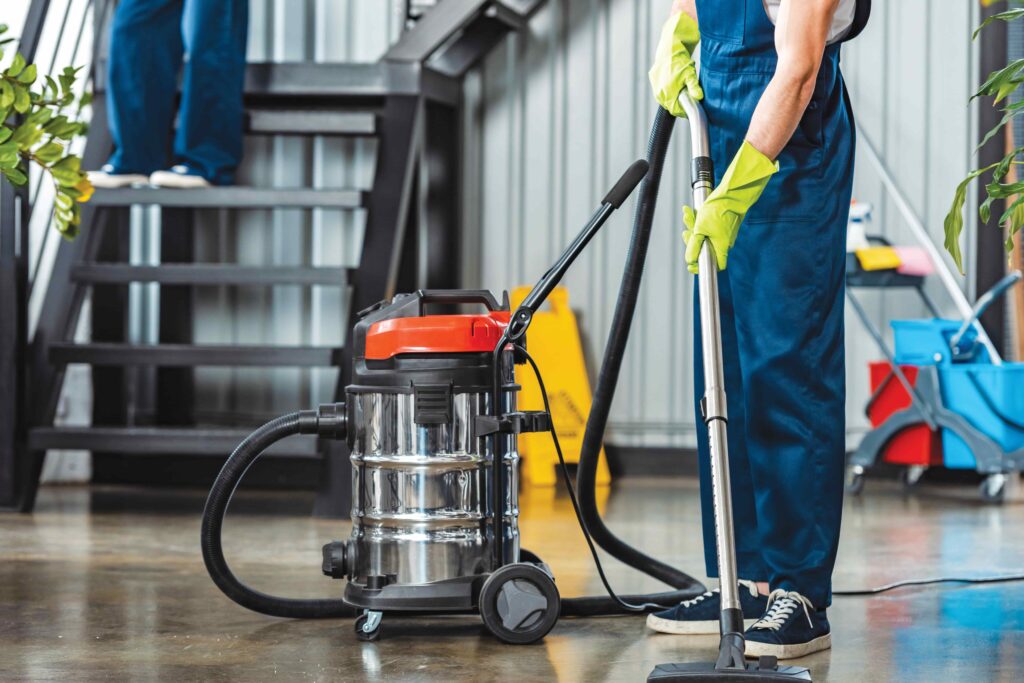
CIJ: A Platform That Gave Credibility
Clean India Journal has played an important role in bringing visibility and credibility to an industry that historically received limited attention, says Dr Haraprasad Panda. Over the years, it has created a platform for industry professionals, technology providers, facility managers and service organisations to exchange ideas, showcase innovations and discuss emerging practices.
More importantly, it has helped move the conversation from ‘cleaning as a basic service’ to ‘cleaning as a professional, technology-driven and evolving industry’. That role of education and industry dialogue has been particularly valuable as the sector continues to mature, especially as facility management in India continues to evolve in response to changing business needs and higher service expectations.
One of the most valuable aspects of our association with Clean India Journal has been the opportunity to be part of conversations that bring the entire ecosystem together. What stands out is not just a particular event or interaction, but the way the platform creates opportunities to meet customers, industry peers and technology partners and understand how expectations are evolving.
For us, these interactions have reinforced an important belief: The future of the industry will be shaped by collaboration, continuous learning and a willingness to keep reinventing the way we deliver services. They encourage industry professionals to come forward, share their knowledge and experience, and take the industry forward.