


























From Headcount to Hygiene Outcomes: The Engineering of Clean
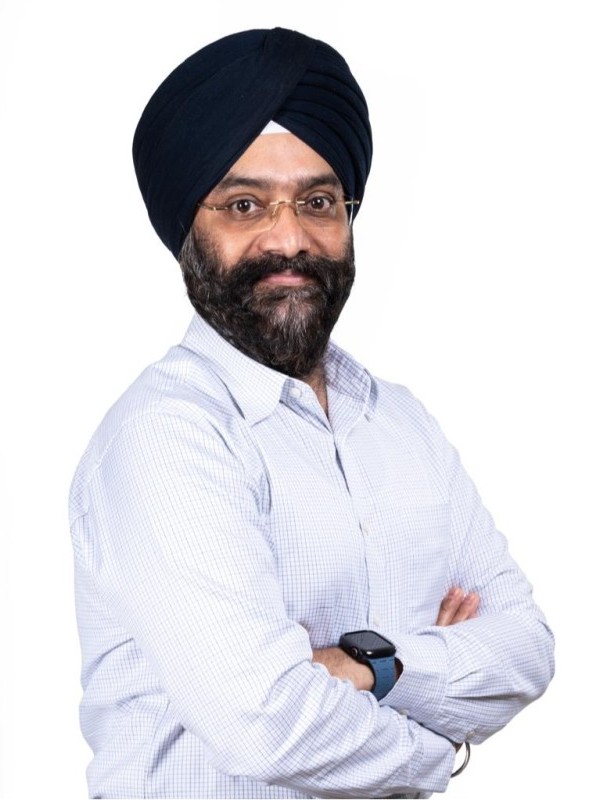
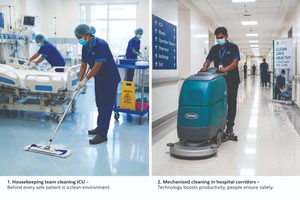
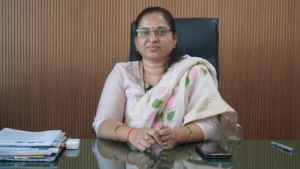
Major Jasdeep Singh (retd), MRICS, Chief Operating Officer – IFMS, Bluspring, speaks on how cleaning in India moved from manpower supply to measurable, technology-led service delivery. Earlier, contracts were won on headcount and rate per person, wet mops, buckets and brooms were the standard toolkit. Mechanisation was rare, confined largely to five-star hotels, airports and a handful of MNC campuses. Today, the definition has completely changed. Clients contract for defined service levels and measurable hygiene outcomes rather than bodies on site.
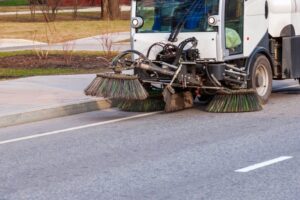
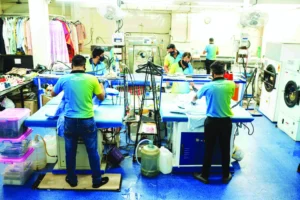
Scrubber-driers, ride-ons, high-pressure systems, dilution-controlled chemistry, colour-coded microfibre and increasingly robotics and IoT-enabled monitoring are now mainstream across Grade A commercial, healthcare, aviation and manufacturing.

Just as importantly, formalisation has arrived. GST, statutory compliance, structured wages, PPE and audited training, once differentiators, are now table stakes for any serious IFM player.
Show The Proof
If there is one shift that has redefined customer expectations, it is that hygiene has become visible and measurable. Earlier the question was ‘does the floor look clean?’ Now it is ‘can you evidence it?’.
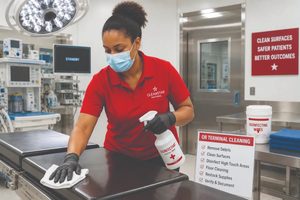
Clients today ask for ATP swab results, audit scores, dashboards, consumption data and productivity benchmarks per square foot. Cleaning has moved from input compliance to productivity — do more area with fewer people, safely, with lower water, chemical and energy footprint.
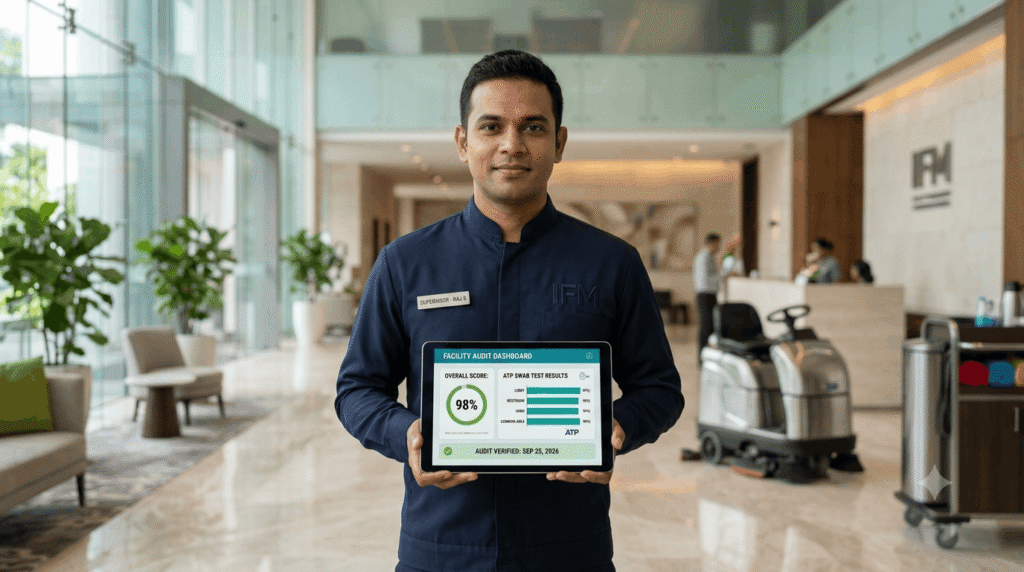
Cleaning is no longer about whether cleaning was done. It is about how it was done, what resources it consumed, and what outcome it delivered — and whether that can be audited.
“Clients today ask for ATP swab results, audit scores, dashboards, consumption data and productivity benchmarks per square foot. Cleaning has moved from input compliance to productivity”— Major Jasdeep Singh (retd) MRICS, Chief Operating Officer – IFMS, Bluspring
Coming Ten
The next decade of cleaning in India will not be one trend alone, but the convergence of three.
- First, sustainability will become the licence to operate. Client ESG commitments, green building certifications, and mandates on water, chemical and energy reduction will make sustainable cleaning non-negotiable.
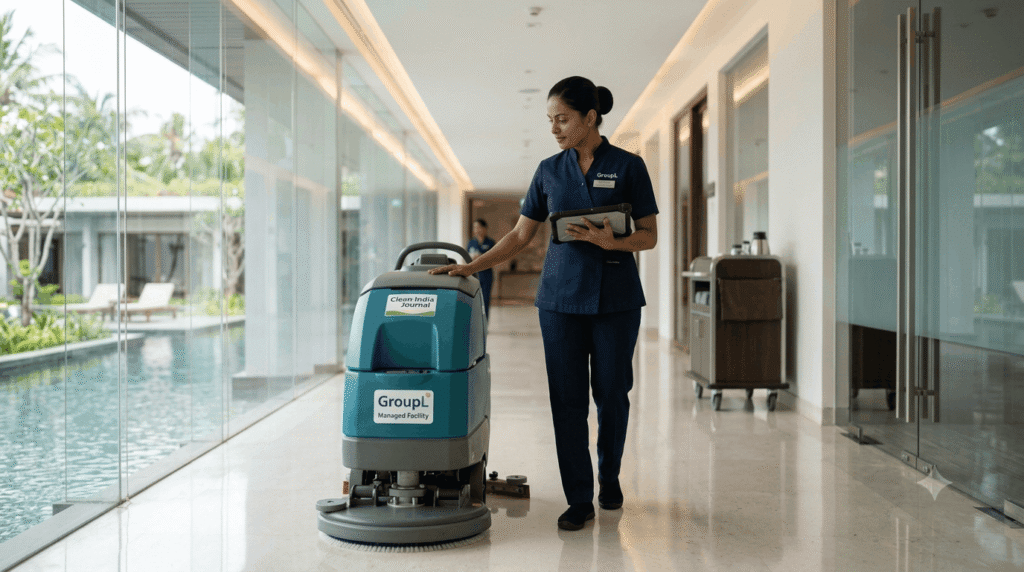
- Second, automation and robotics will absorb repetitive, large-area work. As wage costs rise and skilled manpower becomes harder to retain, machines will take on corridors, lobbies, airports and factories, while the human workforce moves up to supervision, technical and specialised tasks.
- Third, and most powerfully, AI and data will be the real multiplier. Demand-based cleaning driven by occupancy sensors, predictive scheduling, consumption analytics and real-time quality assurance will replace fixed-frequency schedules.
The differentiator will not be who buys the most machines, but who integrates people, technology and data into a consistent, auditable outcome, and who invests in reskilling the frontline workforce to run it.
Journal That Became The Classroom
In a market with no formal curriculum for professional cleaning, Major Jasdeep Singh credits Clean India Journal for playing a unique role.
“Clean India Journal has been the industry’s institutional memory and its classroom. The Journal has consistently done three things that shaped professionalisation. First, it introduced Indian users to global equipment, chemistry and standards long before the market demanded them. Second, it gave credibility and a shared vocabulary to a sector that was previously unorganised. And third, it created a common platform through its publications and events where service providers, OEMs, chemical majors and end customers could actually meet,” he said.
Much of the professionalisation we now take for granted began as awareness the Journal built. Special thanks and best wishes to Mohana and team for where Clean India Journal stands today in the industry.
The Clean India Show platform stands out as a memorable association. “The opportunity to see new mechanisation and technology alongside our clients and to have industry conversations in one place has directly influenced how we build our own service delivery and technology roadmap at Bluspring,” said Major Jasdeep.
“Equally memorable is the Journal’s willingness to give voice to operators on the ground, not only to brands — a distinction that helped bridge the gap between technology providers and those who actually deliver service every day.