









 CIJConnect Bot-enabled WhatsApp today at 4:00 PM.
Mechanised Cleaning
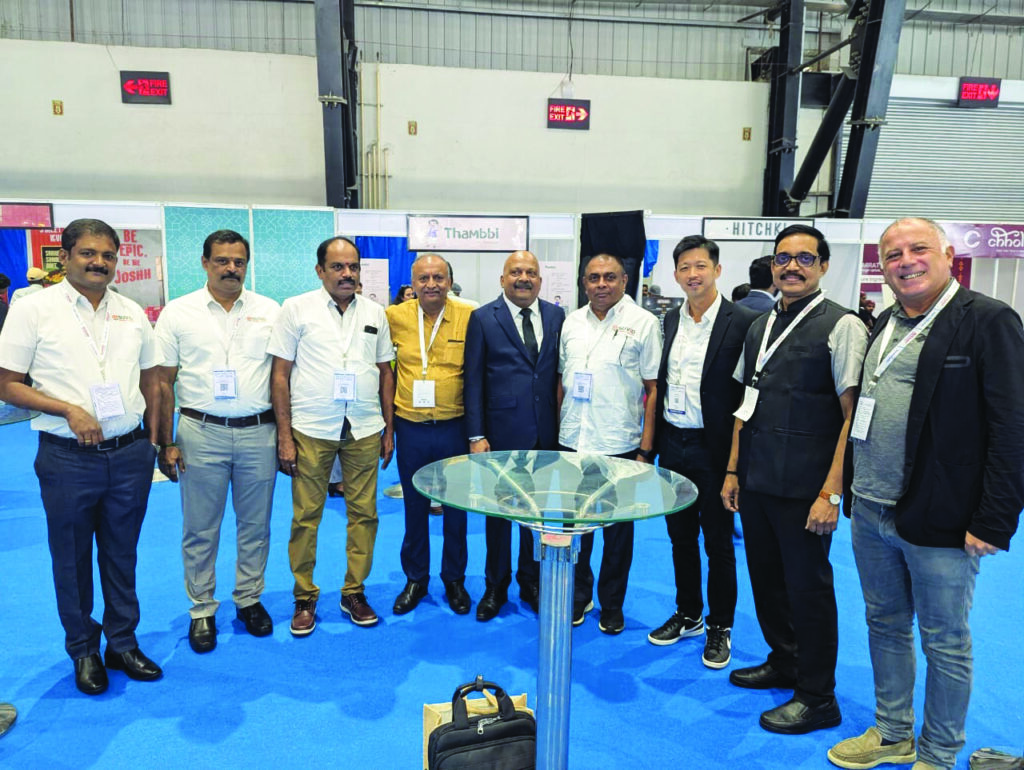
A leading entity in the manufacturing domain since about four decades, Goma (Goma Cleantech Pvt. Ltd)’s flagship business is to deliver end-to-end solutions for high-pressure pumps and systems. “We are much more known as the high-pressure people,” the company’s officials said, adding that they supply to a wide range of industries including cement, steel, power utilities, ship cleaning, and paint removal applications.

According to the Rakesh Gosrani, manager (marketing) at Goma, one of the most notable changes in the last few years is the mindset shift among customers. “Many sectors that previously relied on manual cleaning methods are now actively adopting mechanised solutions. Earlier, people were not comfortable with mechanised cleaning but in the last seven to eight years, and especially after COVID, the demand has increased,” he said.
Housing societies — both in metros and emerging Tier-2 cities—are now among the fastest adopters of the company’s products. “We attribute this change to multiple factors including increased awareness about hygiene and sanitisation post-COVID, the need for faster, uniform, and more effective cleaning and growing familiarity with machines among staff and housekeeping teams,” said Gosrani.
Goma manufactures some equipment in India, imports some components, and assembles certain machines locally. The company strongly supports the government’s Make in India initiative. “It saves foreign exchange, reduces machine cost, and ensures that spares are easily available at good prices,” said Gosrani.
Paramount Debut
While it was the company’s debut at the exhibition, Paramount Universal Pvt. Ltd, the company behind the Claret brand of tissues, carries a 51-year legacy in aluminium containers and tissue manufacturing. Claret itself has been in the market for 10 years.
The firm showcased its full range—including Claret Ultra (premium segment) and the recently launched Claret Bamboo line—positioning sustainability as a core theme. “The demand for bamboo-based tissues has been rising as Indian consumers increasingly look for more hygienic and eco-friendly alternatives. People want quality now,” said Claret’s country head Rajesh Sharma.
Claret manufactures its products in Sonipat, Haryana, and supports distribution through a network of warehouses across India. “This structure allows us to meet service expectations by ensuring faster deliveries,” said E-commerce head Bikramjeet Bhattacharjee.
The visitors at their stall included institutional buyers, potential distributors from both Tier I and Tier II cities and business owners exploring sustainable or premium tissue options. “The value of this expo lies in enabling customers to experience the entire product range firsthand. People may come with one product in mind, but when they see everything, they realise they need more,” said Bhattacharjee.
The shift in consumption patterns, according to the company, is linked to rising purchasing power and changing priorities within Indian households. “While tissues were once not considered an essential item, the hygiene awareness has grown substantially, especially post-COVID. This has led to increased sales of face tissues, kitchen towels, toilet rolls and specialty paper products,” said Sharma.
Tagging Immediate Connect
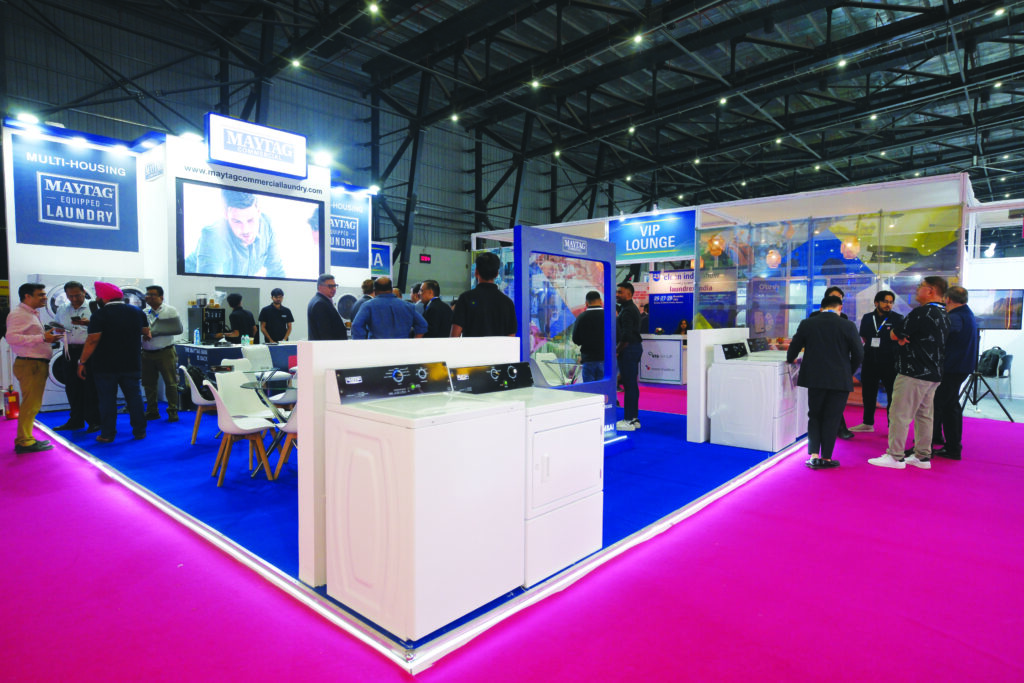
Maytag Commercial (Protek Trade Pvt. Ltd) reported that the Clean India Show brought a good response for its new washer–dryer range, especially from visitors attending from the western region. The team said that since the stall was located in Mumbai, they received strong footfall from Mumbai and Pune, and that operators who already run laundry setups “understand the challenges” and therefore immediately connected with the features of the machine.
The company also noted that people were receptive to the five-year warranty and the service network that Maytag has already established in Mumbai, Bangalore and Gurgaon. “Since service availability is a major concern for laundry operators in interior cities, many visitors wanted a machine that can be serviced or troubleshot quickly through local technicians,” the company officials said.
Prime Turning Point
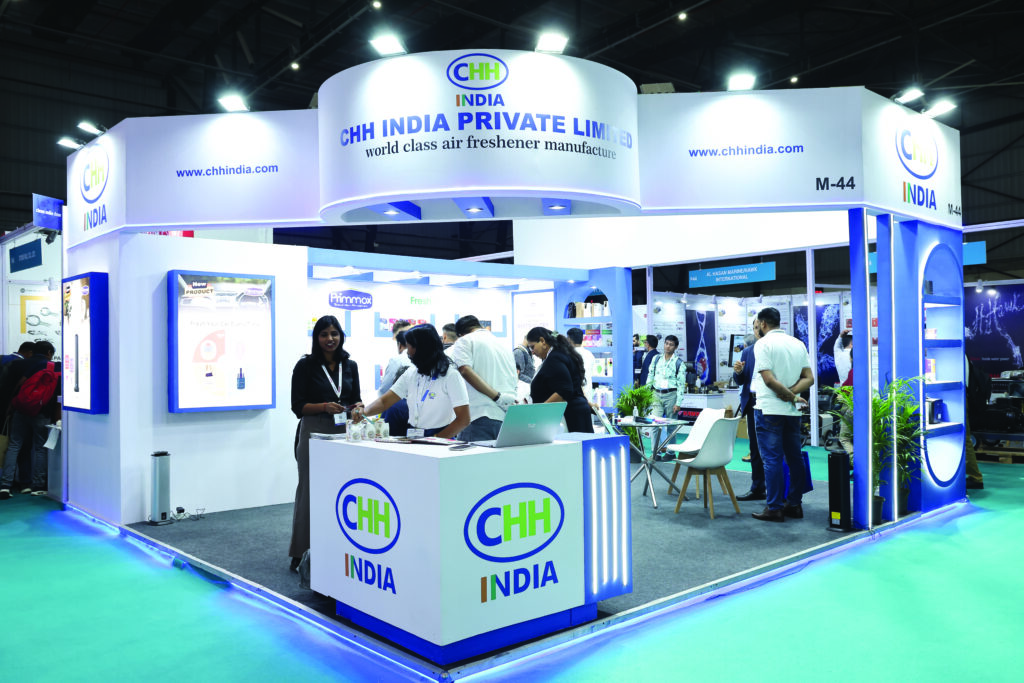
For Primmox, the Clean India Show acted as a strong “turning point,” giving the company direct access to customers and allowing meaningful conversions. The team noted that the event brought in substantial footfall and created a valuable platform to showcase its hygiene and healthcare product range.
According to general manager Sameer Sawant, the exhibit gave the company a platform to meet a wide range of visitors and convert interest into meaningful business opportunities. “We witnessed enthusiastic engagement from distributors, and substantial inquiries. The visitors comprised of institutional buyers and dealers, many of whom expressed interest in expanding their product portfolios,” he said.
Operating under CHH India Private Limited, the company is one of the leading suppliers of air fresheners and other products related to healthcare. The brand’s core customer base includes malls, hospitals, hotels, metro stations, housing societies, power plants, cement industries, and steel industries. “We also supply to facility management companies and are increasingly getting active in e-commerce, with customers from healthcare and hospitality showing strong online-driven demand,” said Sawant.
Sawant stated that there have been significant shifts in the last five years. “The rise of new vendors, growing awareness among customers, and innovations in the air-freshener category have reshaped the sector. Consumer demand is moving away from low-quality manual systems towards improved hygiene solutions,” he added.
The company foresees major scope for growth over the next 5–10 years. While acknowledging competition, Sawant felt that their product range positions it well for future expansion.
Cleaning Tool Demand
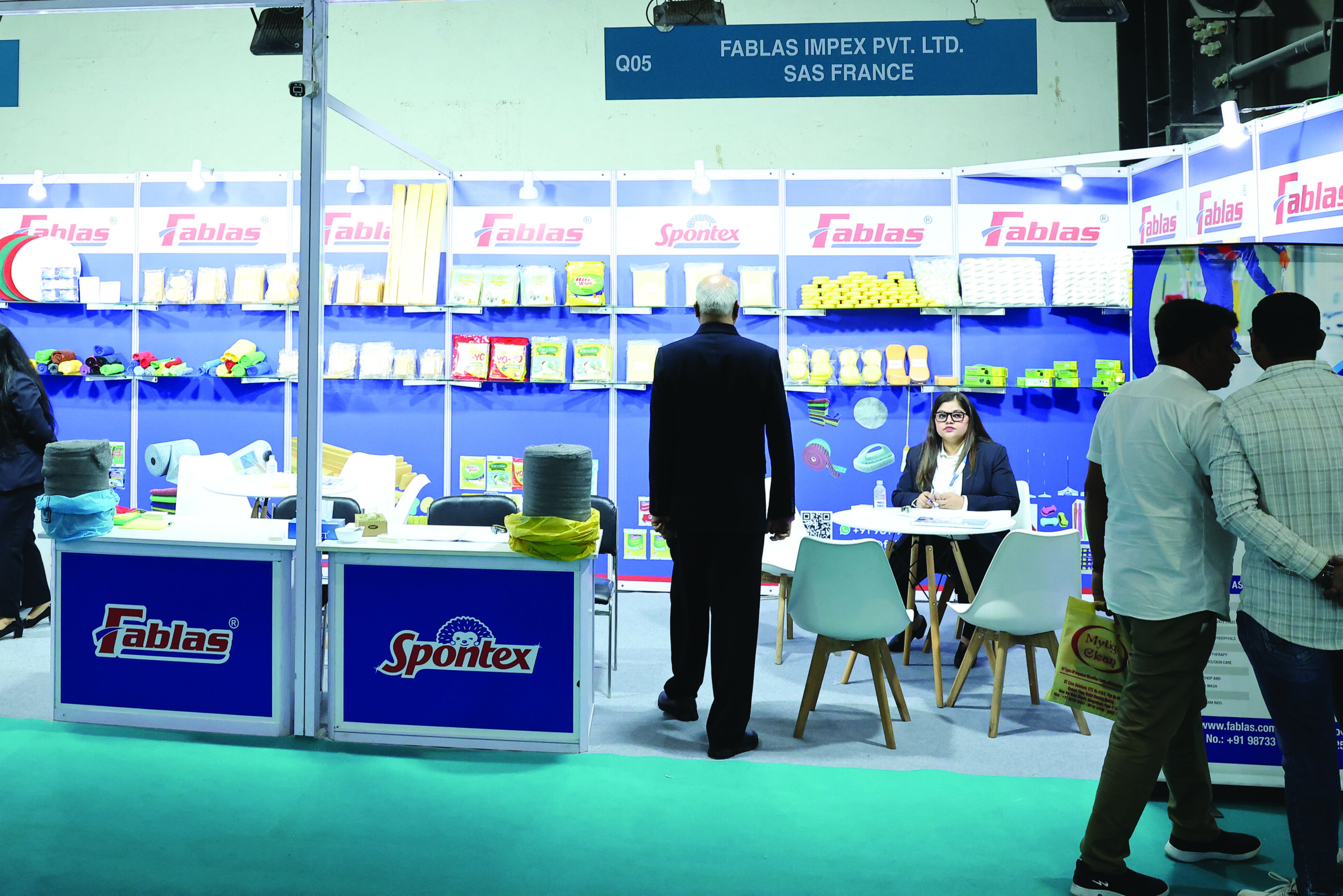
Making its first appearance at the Clean India Show, New-Delhi based company Fablas Impex Pvt. Ltd presented itself as a prominent cleaning tools manufacturer with a growing national footprint.
According to the company’s sales head Manish Kumar Sharma, “Platforms like these are essential for MSMEs that have limited access to large-scale distribution networks or high-budget marketing channels. It enables visibility and direct interaction with both consumers and trade partners,” said Sharma.
Sharma observed several challenger brands exhibiting, which he described as the “best part” of the event, as it levels the playing field for emerging companies. “Retailers formed a significant portion of the footfall, along with many companies seeking white-label manufacturing support for their own brands. Several visitors were exploring opportunities to enter the cleaning tools business and approached us for partnerships,” said Sharma.
Fablas showcased an expansive range that includes mops, wipes, brushes, brooms, wipers and other essential cleaning tools. “What was once a niche category has now become a fast-growing segment, driven by consumers who prioritise hygiene both inside and outside the home.
Indian households have gradually moved away from traditional cleaning methods — such as cloth wipes and steel scrubbers — to more advanced, specialised tools like wipes, multiple types of scrubbers and modern kitchen-cleaning accessories. Personal care cleaning tools, including makeup removers and skin-care applicators, are also witnessing a sharp rise in adoption, especially among urban consumers,” added Sharma.
When asked whether automation poses competition to manual cleaning tools, the company official stated that automation is still limited to hotels, offices and institutional spaces due to its high cost and narrow target audience. “For Indian households—especially those within the country’s large middle- and lower-income brackets—manual tools will continue to remain the primary choice,” said Sharma.