




















KIMS-Kingsway Strategizing IC – FROM Protocol to Prevention

550 Patients in OPD per day
620 Surgeries per month
265 Housekeeping staff
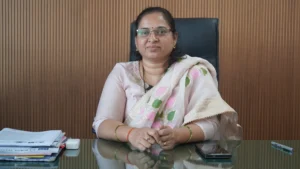
In the post-COVID world where patients from Vidarbha, MP and Chhattisgarh are heading to Nagpur for treatment, hygiene has become a differentiator, a cost-saver and a brand builder. “Cleanliness is now the first clinical intervention,” says Dr Tushar Gawad, Unit Head, KIMS-Kingsway Hospital, Nagpur during an interview with Special Correspondent Samaresh Acharya.

KIMS-Kingsway has moved to a risk-stratified model with areas classified into four tiers: Low Risk for common areas, Moderate Risk for OPDs and general wards, High Risk for washrooms and high-touch surfaces, and Very High Risk for ICUs, OTs, isolation rooms, dialysis, chemotherapy, cath labs, laboratories and radiology.
Cleaning happens every eight hours across the hospital. But high-touch surfaces in OPDs are disinfected hourly. ICUs and OTs get terminal cleaning protocols between cases.
The tools are specific: Wet mopping, microfiber cloths, two-bucket systems, and hospital-grade disinfectants to break the chain of cross-contamination. Supervisors and the infection prevention & control team do not just sign checklists. They monitor compliance on the floor.
Trained Teams
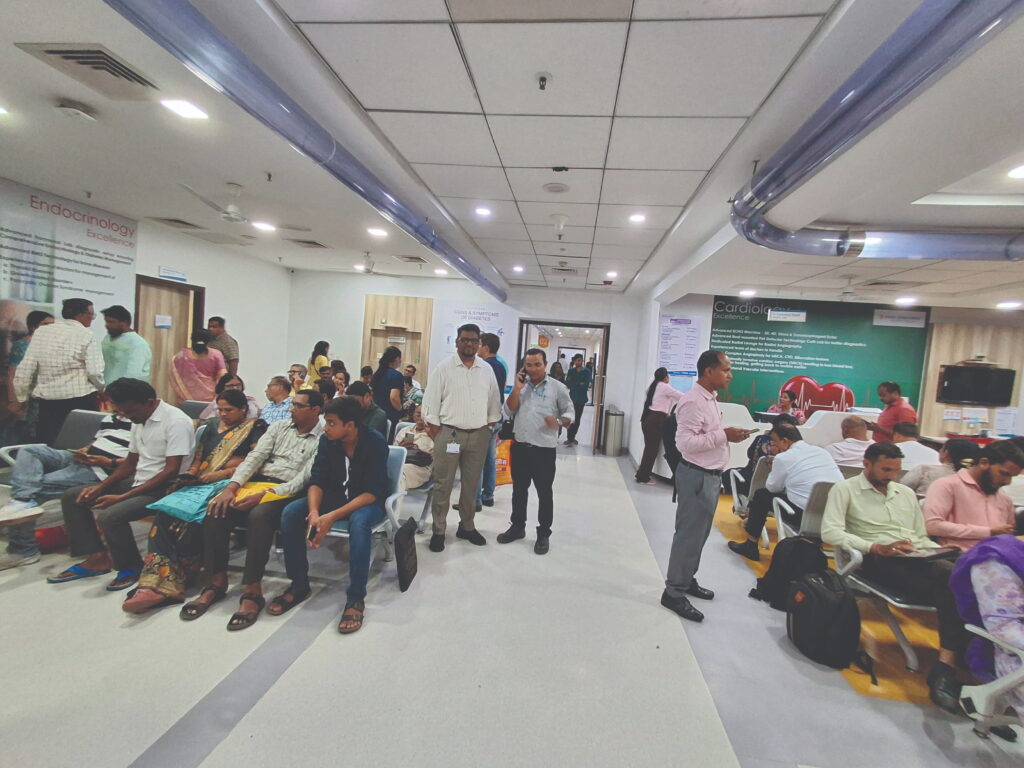
With nearly 500 beds and thousands of footfalls daily, KIMS-Kingsway outsources housekeeping to a team of around 200 personnel. But control remains in-house.
Managers and supervisors oversee operations 24×7. Every staff member goes through certification programmes in collaboration with Diversey and Tata Strive. Monthly in-house training covers hand hygiene, cleaning and disinfection, biomedical waste, spill management, sharp safety, MSDS, and patient safety.
“Competency is not assumed. It is tested through emergency mock drills and compliance assessments. This matters because most HAIs do not start in the OT. They start with a missed surface, a reused mop, or an untrained hand. By investing in people, the hospital is investing in prevention.”
“The message to staff is clear: If a patient can touch it, it must be clean”— Dr Tushar Gawad, Unit Head, KIMS-Kingsway Hospital, Nagpur
Validated Chemistry
What you clean with, matters as much as how you clean.
KIMS-Kingsway uses Diversey hospital-grade products: Virex II-256 for disinfection, R2 multipurpose cleaner, R4 furniture maintainer, R6 toilet cleaner, and 1% sodium hypochlorite for spills. Automated dilution systems ensure concentration is never left to guesswork.
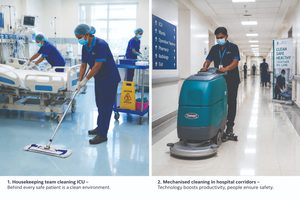
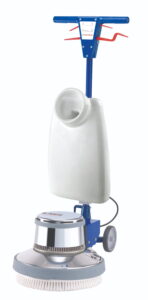
Mechanization supports consistency. Scrubber-dryers for floors, single-disc machines for polishing, HEPA-filter vacuum cleaners for dust control. But equipment alone proves nothing.
Effectiveness is monitored through supervisory inspections, departmental audits, standardized checklists, and environmental surveillance. If a surface fails an audit, the protocol is retrained, not just repeated.
Terminal Protocols
A patient leaves. The next patient arrives in hours. The gap in between is critical.
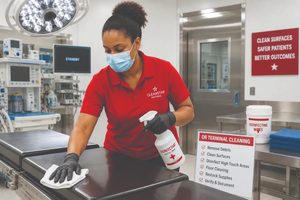
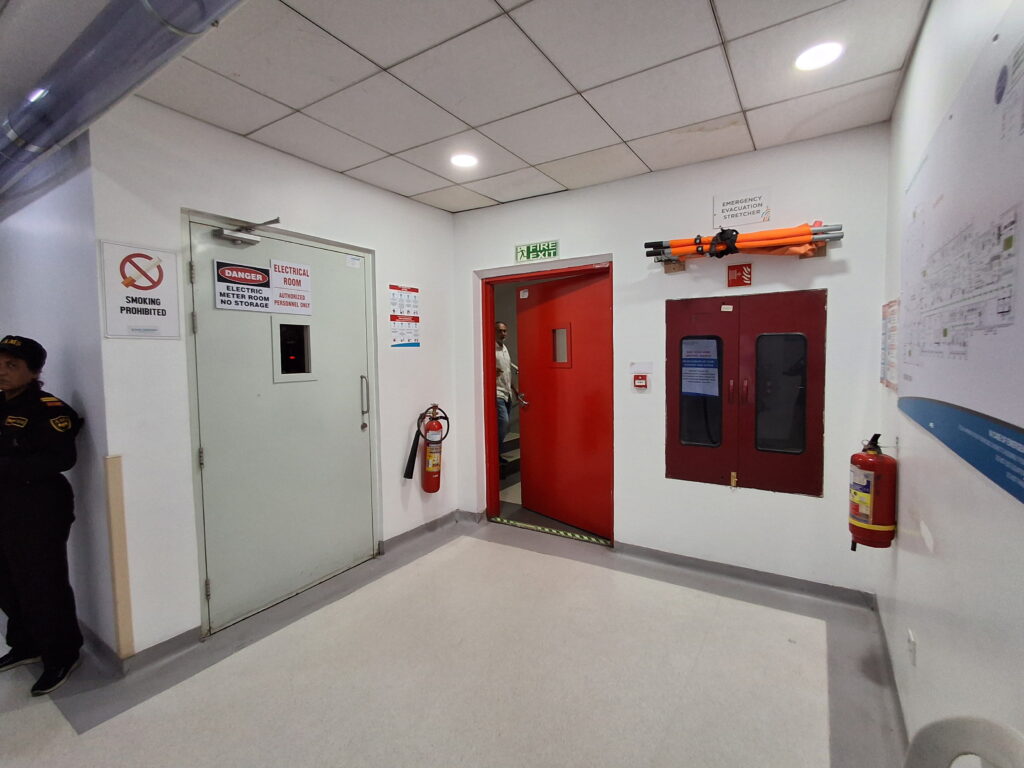
Every discharged room at KIMS-Kingsway undergoes terminal cleaning before reoccupation. The room is isolated first. Biomedical waste is removed. Linen is handled in closed bags. Cleaning moves from clean-to-dirty and top-to-bottom.
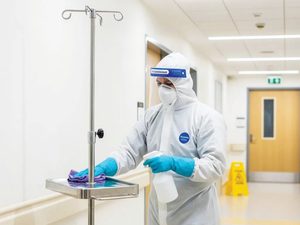
High-touch zones get special attention: Bed rails, IV poles, switches, call buttons. Approved disinfectants are applied with proper contact time. In airborne isolation rooms, entry is allowed only after prescribed air exchanges.
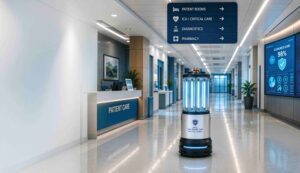
The hospital currently relies on validated manual protocols rather than robotic or UV disinfection. The focus is on process discipline. Every step is logged, timed, and audited.
Disinfection Story
Floors, elevators and washrooms are where pathogens travel fastest.
Floors are cleaned with microfiber flat mops and twin-bucket systems. Machine scrubbing is used in heavy-traffic zones. Clinical areas use quaternary ammonium compounds. Blood and body fluid spills are managed with sodium hypochlorite.
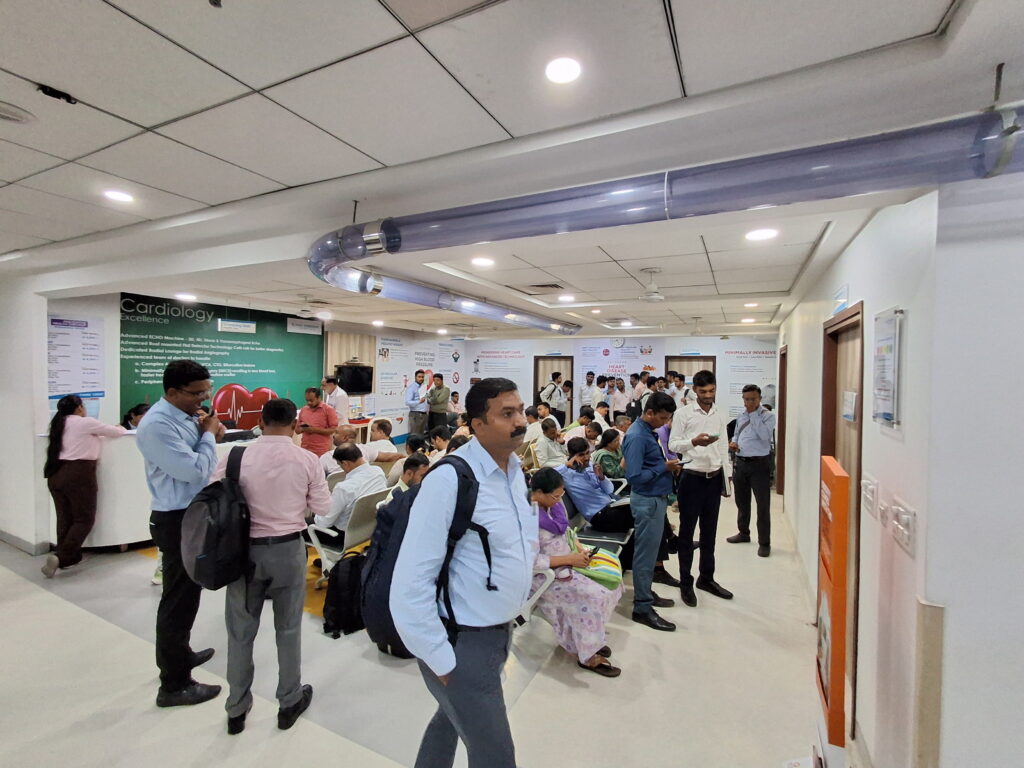
High-touch surfaces are disinfected at least three times daily. In busy OPDs, it is hourly. Elevator buttons, handrails
and lift interiors are wiped every hour with 70% isopropyl alcohol or electronic-safe disinfectants.
Washrooms have dedicated, color-coded equipment to prevent cross-contamination. Compliance is tracked through hourly cleaning logs, supervisory audits, microbiological surveillance, and quality inspections.
Clean Air
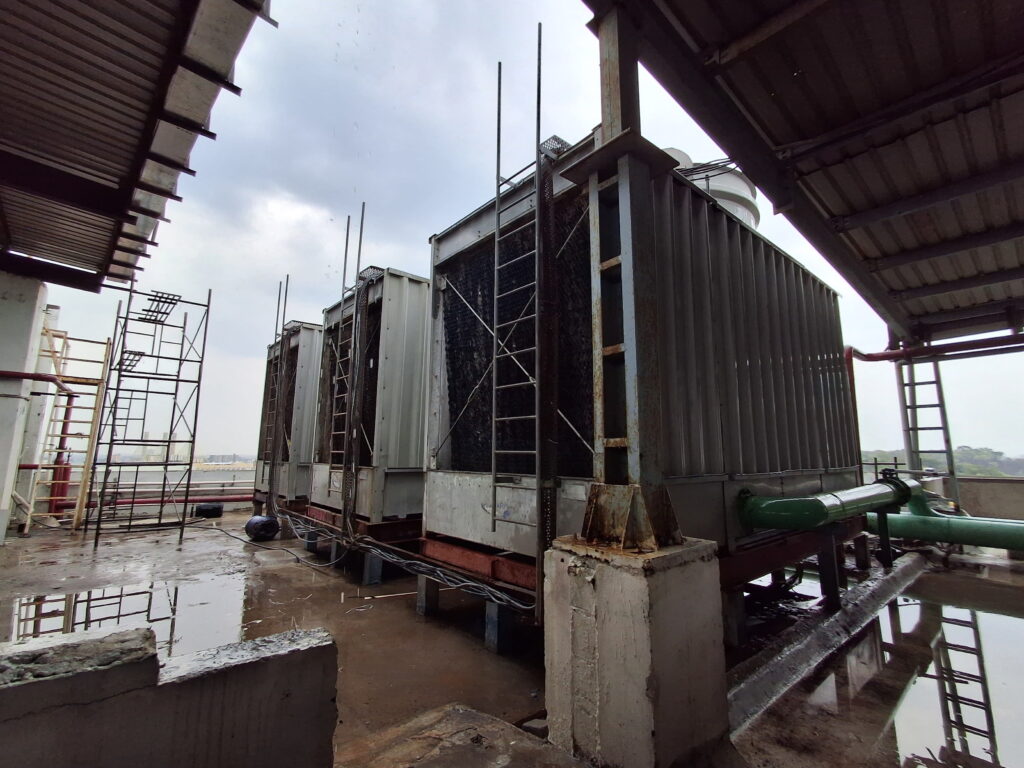
Infection is not only on surfaces. It is in the air. KIMS-Kingsway’s HVAC systems follow ASHRAE guidelines. Critical areas like CTVS, Transplant ICU, NICU and PICU maintain 8 air changes per hour. Other ICUs maintain 4-6 ACPH. Positive and negative pressure isolation rooms are built into the facility.
Filtration is layered: MERV-7 and MERV-11 across the hospital, HEPA in critical areas, ISO Class 4 modular operation theatres. Ozonators control odour. Temperature is held at 20-24°C with 40-60% relative humidity to limit microbial growth.
Routine maintenance includes airflow validation, pressure monitoring, and microbiological air quality testing. Clean air is no longer a comfort feature. It is an infection control device.
Beyond Smell
For decades, patients equated a strong Dettol smell with cleanliness. That era is over.
“Modern infection prevention is evidence-based, not fragrance-based,” the hospital team explains. Cleanliness is measured by the elimination of microorganisms through validated disinfectants, correct dilution, and contact time.
One Standard
KIMS is a group with hospitals across Tier-1 and Tier-2 cities. The question is often asked: Do standards drop outside metros?
At KIMS-Kingsway, the answer is no.
All hospitals follow the same IPC policies aligned with NABH, NABL, WHO, NACO and CDC. Uniformity is enforced through common SOPs, approved disinfectants, standardized schedules, regular training, competency assessments, hand hygiene monitoring, HAI surveillance, centralized quality reviews, internal and external audits, CAPA implementation, and patient feedback via the Shivam Feedback and Grievance modules.
Luxury With Safety
Premium rooms at KIMS-Kingsway offer suite facilities, disposable linen, extra amenities and dedicated housekeeping. But hospitality upgrades do not dilute safety.
Cleaning protocols, hand hygiene, PPE, waste management, linen handling, audits and surveillance remain identical across all categories. This is important for patient trust. A family paying more for a private room should not be buying better safety. They should be buying better comfort, with the same clinical protection.
City Benchmark
KIMS-Kingsway has received NABH 6th Edition Accreditation and NABL Certification; IGBC Gold Rating for sustainable and hygienic infrastructure; best carbon emission reduction practices; advanced STP and ETP for safe waste management; and CAHO recognitions including ICOMPLY, CSSD and EndoSafe certifications.
Beyond certificates, the hospital runs continuous Quality Improvement Projects that track HAIs, hand hygiene compliance, and audit scores monthly.