

























Mechanised Cleaning: How India Is Transforming Sanitation
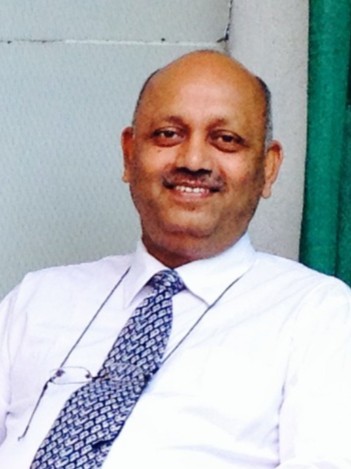
From manual labour to integrated jetting and suction technologies, India’s shift towards mechanised cleaning is about efficiency and dignity. Manohar Krishna, Managing Director, Kam Avida Enviro Engineers, discusses the mechanisation journey, changing market demands and why sustainability will steer AI and robotics in the next decade.
Mechanised Cleaning: From Manual Labour to Machine-Led Operations
Looking back 15–20 years, the Indian cleaning industry was largely driven by manual labour and conventional equipment. Mechanisation was limited, and awareness of specialised equipment for sewer cleaning, waste collection and street maintenance was still developing. Municipal bodies relied heavily on manpower for tasks that were hazardous, inefficient and physically demanding.

Today, the industry has undergone a significant transformation. Municipal corporations, industries and facility management companies increasingly recognise the importance of mechanisation, operational efficiency, worker safety and environmental sustainability. The conversation has shifted from ‘how many hands do we need’ to ‘how can we eliminate human entry into hazardous environments’.
Game-Changer: Integrated Jetting and Suction Technologies
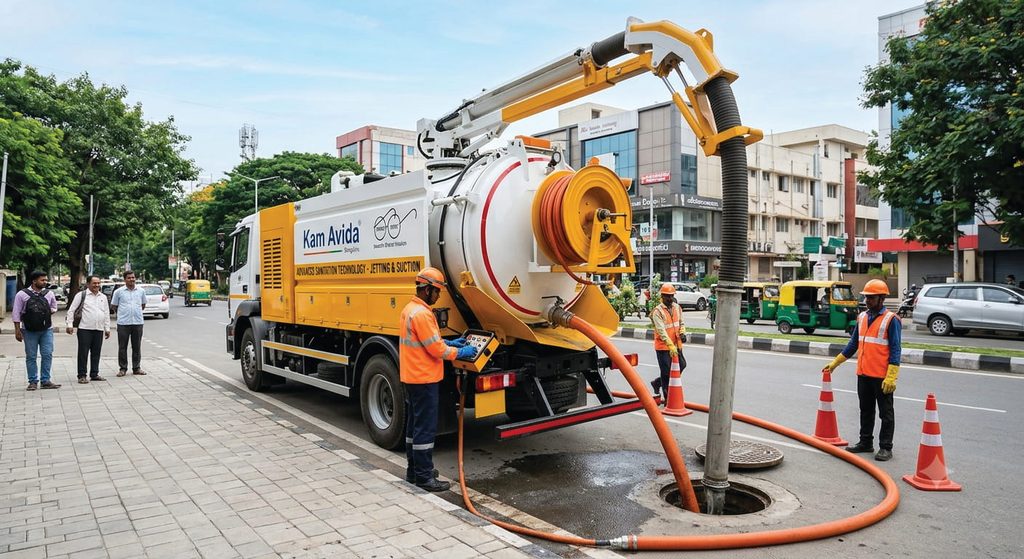
The mechanisation of cleaning operations, particularly the integration of high-pressure water jetting, vacuum suction and waste recovery technologies, has had the greatest impact. This combination has redefined critical applications — from sewer and drain cleaning to industrial waste handling and street maintenance.
High-pressure jetting dislodges stubborn sludge and blockages without manual intervention, vacuum suction safely extracts waste, and integrated recovery ensures hygienic collection and disposal.
For Kam Avida, whose portfolio is built around these principles, this convergence has been instrumental in replacing manual scavenging practices with safe, machine-led alternatives and delivering measurable efficiency to Urban Local Bodies (ULBs) and industries.
Integrated Machines: Combining Multiple Cleaning Operations
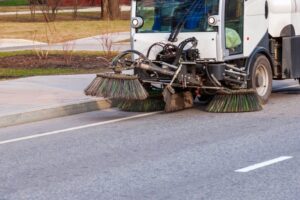
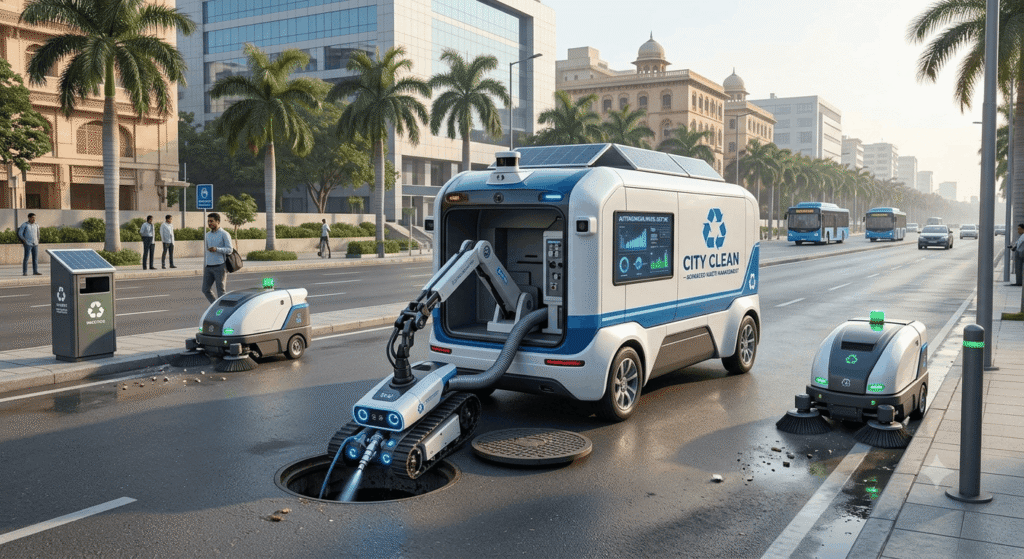
The most significant change in tools and automation has been the transition from standalone, manually operated tools to mechanised equipment that combines multiple operations. Earlier, cleaning involved separate tools for dislodging, collecting and transporting waste — each requiring physical handling and exposing workers to risk. Now, a single truck-mounted system can jet, suck, filter and store waste, with operator controls and safety interlocks.
This integration reduces physical handling, improves operator safety, cuts turnaround time and ensures consistent cleaning quality. It has elevated cleaning from a labour-intensive job to a skilled machine operation, improving both the dignity of labour and operational accountability for clients.
“We have moved from how many hands we need to how we eliminate human entry into hazards.”— Manohar Krishna Managing Director Kam Avida Enviro Engineers
Next Decade: AI, Robotics and Sustainable Cleaning
The next decade will be defined by the convergence of four key elements — AI, robotics, sustainability and automation — with sustainability setting the direction and automation, robotics and AI serving as the enabling technologies.
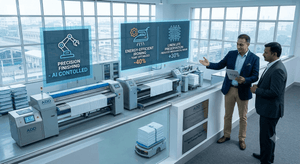
Sustainability will drive choices through water recycling in jetting systems, fuel-efficient and electric drivetrains, reduced emissions and circular waste management. Automation and robotics will take over repetitive and hazardous tasks, while AI will enable predictive maintenance, route optimisation for waste collection fleets and real-time performance monitoring.
For India, this convergence will make mechanised cleaning not just efficient, but also environmentally responsible and socially inclusive.
Clean India Journal: Building Industry Credibility
Clean India Journal has played an important role in bringing greater visibility, knowledge and credibility to India’s professional cleaning, hygiene and facility management industry. At a time when cleaning was seen as an unorganised, low-tech service, CIJ created a platform for technology providers, service companies and end-users to learn, network and adopt global best practices.
“Through its print, digital and event platforms, it has educated the market on professionalisation, worker safety and sustainability — helping companies like Kam Avida reach decision-makers who are ready to invest in mechanisation,” says Manohar Krishna, Managing Director, Kam Avida Enviro Engineers.
For Kam Avida, the most meaningful aspect of its association with Clean India Journal has been the opportunity to communicate how mechanisation can address some of India’s most persistent sanitation and waste management challenges.
“CIJ gave us a voice to show that mechanised cleaning is not just about machines — it is about preventing human entry into sewers, restoring worker dignity, and helping Swachh Bharat become truly safe and sustainable. That alignment of purpose stands out,” said Manohar.