






















FM in FMCG: The full canvas
Nilesh Kanakraj, Sr Vice President, ONESIS
In a part-by-part analysis, Nilesh Kanakraj, Sr Vice President, ONESIS breaks down the FM needs of each area of a typical FMCG manufacturing facility, and generously shares how his organisation would proceed to fulfill those requirements.
The FMCG industry segment prides itself on its high standards of cleanliness and hygiene, coupled with its own stringent FDA and E-GMP norms to be adhered to, with great focus on EHS workplace safety. Post Covid, the standards have only become higher and the KPIs stiffer.

Plant areas
The FMCG plant is broadly around 5-10 acres, with built up area of around 2 lakh sq ft, and is broadly broken down into the following areas:
- Receiving bays/docks
- Raw material storage areas
- Production lines
- Quality control
- Packing and labeling
- Warehouse
- Dispatch: Loading bays/docks
- Admin block
- Cafeterias
- Staff change rooms
- Washrooms
- Utilities block
- Gangways
- Roads and outside areas
Scope of cleaning
The scope of cleaning services is always defined by the workflow process, and the housekeeping SOP is designed based on the workflow process. This typically includes raw material entry; unloading, scanning, stacking & segregation; issuance of materials; scrap removal/production lines; manufacturing; QA testing; labeling/packing/stacking; storage at warehouse; despatch bays.
| Typically, the scope of services/KPIs would be defined as below: | ||
| Areas | Spot cleaning | Full cleaning |
| Office area gents washrooms | 2 x shift | 1 x day |
| Office area ladies washrooms | 2 x shift | 1 x day |
| Warehouse ladies washroom | 2 x shift | 1 x day |
| Warehouse gents washroom | 2 x shift | 1 x day |
| Contract facility ladies washroom | 2 x shift | 1 x day |
| Contract facility gents washroom | 2 x shift | 1 x day |
| Meeting rooms, conference rooms, store rooms | 1 x day | |
| Offices | 1 x day | |
| MIN area & QA Lab | 1 x shift | 1 x day |
| BAG area | 4 x shift | 1 x day |
| Warehouses | 1 x day | 1 x week |
| Production area | 1 x shift | 1 x week |
| Process utility | 1 x day | 1 x week |
| Utility | 1 x day | 1 x week |
| Scrap yard | 1 x day | 1 x week |
| Pantry rooms | 2 x shift | 1 x day |
| Contract facility canteen | 3 x day | 1 x day |
| This is broadly the frequency of cleaning services required, which would be drilled down in detail for each area specifically. An example is provided below: | |
| QA Lab | |
| Daily clean up the dustbin with paper waste once per day and the rubbish is not more than 2/3rd of the bin | Once per shift- every 8 Hours |
| Replacement of bin bags if required | Once per day |
| Damp wiping of bins | Once per day |
| Washing and disinfestation of dustbins | Once in a week |
| The ceiling/wall shall be cleaned free of cobwebs up to reachable height (6 feet) | Once in a week |
| The ceiling/wall shall be cleaned free of cobwebs above reachable height (12 feet) | Once in a month |
| The ceiling shall be cleaned free of cobwebs above reachable height (6 Feet) | Once in a month |
| The air openings shall be dust mopped monthly | Once in a month |
| Office equipments/telephones and workstations in the training /meeting rooms and workstations to be dust-free | Once per day |
| Upholstery (chairs and sofas) to be free from dust | Once per day |
| Glass/laminated partitions up to reachable heights should be free of fingerprints | Once per day |
| The lobby, corridors, wall columns up to reachable height shall be kept clean | Once per day |
| Pantry area to be clean and dust free | Once per shift- every 8 hours |
| Scrubbing of hard floor with a machine wherever applicable | Once in a month |
Appropriate machinery
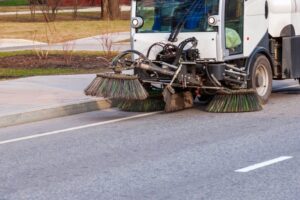
FMCG plants would normally involve a large capital investment in terms of machinery, as the focus would be on prevention of cross contamination (usage of dedicated machinery for specific areas), and also in terms of cleaning outside areas like roads and driveways (road sweepers)
The machinery requirement would depend on the following:
- Total decongested area (area available for cleaning – excluding the production lines/equipment)
- Hours of operation of the plant
- Flooring of the plant: It would be difficult to use machine on an uneven cement floor
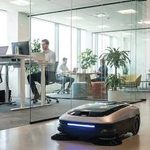
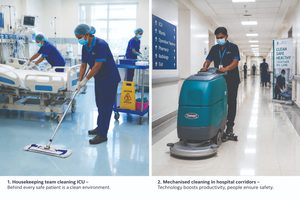
We would recommend using battery operated scrubber drier and sweeper machines to prevent usage of diesel, which may not be conducive to a FMCG plant.
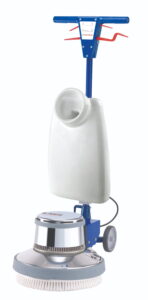
| Suggested machinery | |
| Single Disk Scrubber | 2 |
| Vacuum Double Motor | 4 |
| Vacuum Single Motor Topper | 6 |
| Auto Scrubber – Heavy Duty | 3 |
| Ride on Scrubber | 3 |
| Ride on Sweeper | 1 |
| Steam pressure jet | 1 |
| High pressure jet | 1 |
Cleaning chemicals
Considering the nature of the facility, it is recommended to use green chemicals or environmentally friendly chemicals for most of the administration and QA block, which don’t leave too much residue or are too corrosive.
However, for the production line areas where we may have spillage, it is advisable to use the appropriate chemicals designed for that surface.
Innovations & best practices
- Recommend SSDP: Smart Surface Disinfection Program for the production areas/QA labs and other areas, which would prevent cross contamination and is very effective in infection control, which makes production safer and hygienic
- Use Airborne Infection Control to improve the Indoor Air Quality, especially in the QA labs and production areas, which would prevent contamination due to airborne particulates and bacterial infection
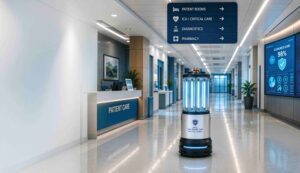
- Implement UVGI: Ultraviolet Germicidal Irradiation, which enables cleaning of the HVAC ducts which normally have a lot of dirt accumulated, which would affect the quality of production, and also enhance life of the HVAC equipment.
- Technology and digitisation which would provide the client with critical insights/paperless checklists/real time reporting
Cost saving initiatives
- Optimize manpower with higher use of mechanisation
- Implementation of smart cleaning, which will reduce consumption of water and CO2 footprint with use of green chemicals and reduced use of chemicals. Reduce plastic waste with usage of microfiber mops, pre wet cleaning system etc.
- IoT based washroom cleaning, cleaning based on usage and footfalls rather than scheduled cleaning, which will optimise manpower.
Ask the expert
Have a question about this article? Put it to the people in it. We pass your details on and they come back to you directly.