


























Healthcare Cleaning and Its Critical Importance

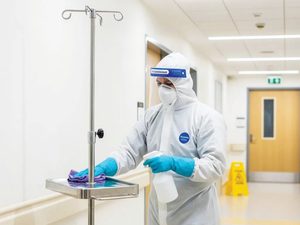
Hospital cleaning goes far beyond routine housekeeping, notes Nagarajan Sankar, Founder, Hospitality Critic Solutions. It is a specialised practice rooted in chemistry, safety and compliance. Every product used on a surface has an effect on patients, staff and the wider environment, and the right knowledge can prevent long term damage while improving the quality of care.
Maintaining hygiene in healthcare facilities is a scientific and disciplined practice that shapes patient safety every day. Cleaning teams must understand the chemistry behind the products they use because the wrong choice or incorrect application can damage infrastructure, reduce the life of equipment, and compromise environmental systems. Hospitals have a duty to protect the health of patients and staff, and must also follow the regulatory standards that govern modern clinical care.

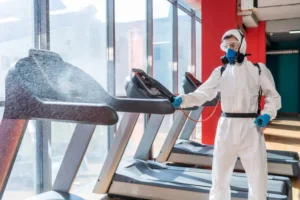
One of the biggest technical challenges today is the continued reliance on high pH antimicrobial agents. These products are designed for disinfection and not for soil removal, yet they are often used for both tasks. Prolonged use on general surfaces can corrode metals, wear down plastic components and weaken the finish on flooring. The impact is visible in the premature deterioration of hospital equipment and a rise in maintenance costs. Cleaning liquids and neutral pH solutions remain the safest option for routine soil removal because they protect both surfaces and systems.
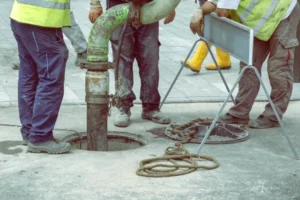
Beyond infrastructure damage, the unchecked discharge of strong disinfectants into drains disrupts sewage treatment plants. STPs depend on living microorganisms that break down waste. When high pH chemicals enter the system in large quantities they destroy the biological balance that lets the plant function. This results in foul odour, poor treatment efficiency and eventual system failure. In severe cases the compromised STP sends untreated water back into the environment, contaminating soil and groundwater. This is a risk that hospitals cannot ignore as it affects both compliance and public health.
To avoid such outcomes, hospitals should design internal cleaning frameworks that separate the chemistry of cleaning from the chemistry of disinfection. Critical care zones will always need antimicrobial agents, but the volume used across the entire facility must be limited and controlled. Non critical areas require neutral pH, green certified products that protect surfaces while keeping the discharge within safe limits. The science behind these decisions must be part of routine training so that teams understand pH levels, dilution ratios and the difference between soil removal and microbial kill.
Accreditation standards such as NABH and JCI place strong emphasis on documented cleaning processes. It is not enough to simply complete a task. Cleaning cycles must show correct sequence, validated dilution, contact time and proper disposal of residues. Facilities should build cleaning SOPs that include evidence-based product selection and should keep laboratory-tested reports from NABL accredited labs to confirm that each product meets the required safety and performance standards. This creates a traceable system that protects both the hospital and the people who rely on it.
Training remains central to safe and efficient housekeeping. Teams must be taught the scientific basis of cleaning, including pH behaviour, surface compatibility, chemical stability and the risks linked to overuse. When staff are trained to understand why a product is used rather than only how it is used, compliance improves naturally. Structured training modules strengthen judgement and produce consistent results across shifts.