



























Restaurant Kitchen Hygiene After the Maharashtra FDA Drive
The kitchen door is no longer hiding anything.
For years, restaurant housekeeping was largely about what the customer could see — spotless tables, clean floors, sparkling washrooms and a presentable dining area. The real test of hygiene, however, was often taking place behind the swing door: inside drains, refrigerators, exhaust systems, garbage zones, stores and food-preparation areas. The recent Maharashtra Food and Drug Administration (FDA) crackdown has changed that equation, bringing restaurant kitchen hygiene into sharper focus.

Under Commissioner Tukaram Mundhe, the Maharashtra FDA inspection drive, conducted over three months from June to August 2026, brought more than 12,000 food businesses under inspection. Hotels, restaurants, dhabas and clubs faced intense scrutiny, with inspectors finding pest infestations, cross-contamination, cold-chain breaches, poor drainage, faulty refrigeration, improper storage and sanitation failures.
The message is blunt: looking clean is no longer good enough.
At Nagpur’s Sanjha Chullah, owner Mandeep Singh Padam says the inspections have made vigilance sharper and more structured. “We have always tried to keep our standards up; after the inspection, we are just more vigilant,” he says. Chemical storage is now more tightly controlled, soiled linen gets priority washing, kitchen floors and wash areas receive greater attention, and pest-control documentation is closely monitored.
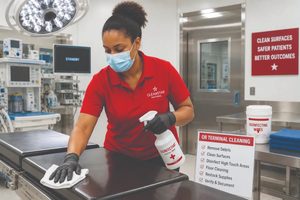
At the restaurant, cleaning is not left to the end of the day. The kitchen is cleaned four times daily. Food stores are checked for expiry, mould and damaged cans. Pest-control activity is documented, while department-wise manual checklists establish who is responsible for what — and when. These measures reinforce the importance of systematic pest control in restaurants, alongside regular cleaning and food-safety checks.
This is the real impact of the FDA drive. It is pushing restaurants from periodic cleaning to protocol-led housekeeping.
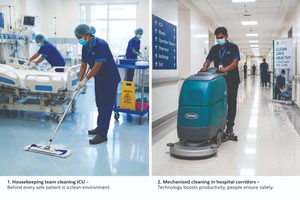
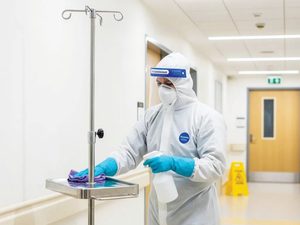
The housekeeping team is now expected to understand cross-contamination, colour-coded cleaning systems, chemical safety, waste segregation, pest-control protocols and personal hygiene. Colour-coded equipment helps prevent the transfer of contaminants between different areas, making it an important part of restaurant kitchen hygiene. Chefs, housekeeping heads, food-safety supervisors and operations managers increasingly have to function as one team.
Because the definition of a clean restaurant has changed. The question is no longer: “Does it look clean?” It is: “Can you prove that it is clean, safe and consistently maintained?”
That is the Great Kitchen Reset.
Automation Key
AI will be the dominating feature in manufacturing and service in the same way. Robotics has so many limitations and possibly won’t be able to replace human labour to a considerable limit. Automation will have a huge impact on the manufacturing floor when combined with AI, and in service delivery by replacing human involvement in marketing, operations, customer support, accounting and shop floor operations.
In other words, intelligence will optimise the business around cleaning even more than the act of cleaning itself.
Sustainability will still be place-specific. In the Indian context, it will remain behind from its global counterpart. We would still be using phenyl and other non-standard products and will remain far away from the global standard in the next decade to come.
It is a reminder that while India has closed the gap on equipment and affordability, the journey on chemical standardisation, training and green protocols is still underway.
Competitive Ecosystem
From a handful of players in big cities dealing in costly imports to a competitive, pan-India ecosystem of manufacturers, service providers and entrepreneurs — the last two decades have been about scale and self-reliance. The next will be about intelligence — where AI-driven manufacturing and AI-enabled service delivery redefine efficiency, even as the industry continues to push for higher standards in sustainability and professionalisation.
CIJ Gave Recognition The Industry Needed
For an industry that operated without recognition for years, the role of a common platform was critical. “First of all, Clean India Journal brought the much-needed recognition,” says Debtosh Chatterjee.
According to him, in an unorganised market, CIJ provided industry updates and information, made players noticeable within the circle, and importantly, explained the science behind cleaning. “It helped move the conversation from price per person to process, productivity, hygiene and safety,” he said.
“That credibility had a larger impact. By bringing service providers, OEMs, chemical companies and end-users onto one platform, the journal helped position India as one of the hottest destinations for the world market for procurement of tools, equipment, chemicals and allied services,” added Debtosh.
The first Clean India Show which took place in Mumbai had, for the first time, a meeting of all the industry players. “The amount of confidence and the validation it gave was very unique in nature. For the first time I felt that this is the place where I professionally belong and want to scale in future,” he said.
Ask the expert
Have a question about this article? Put it to the people in it. We pass your details on and they come back to you directly.