
























From Imports to Make in India: Cleaning Equipment in India
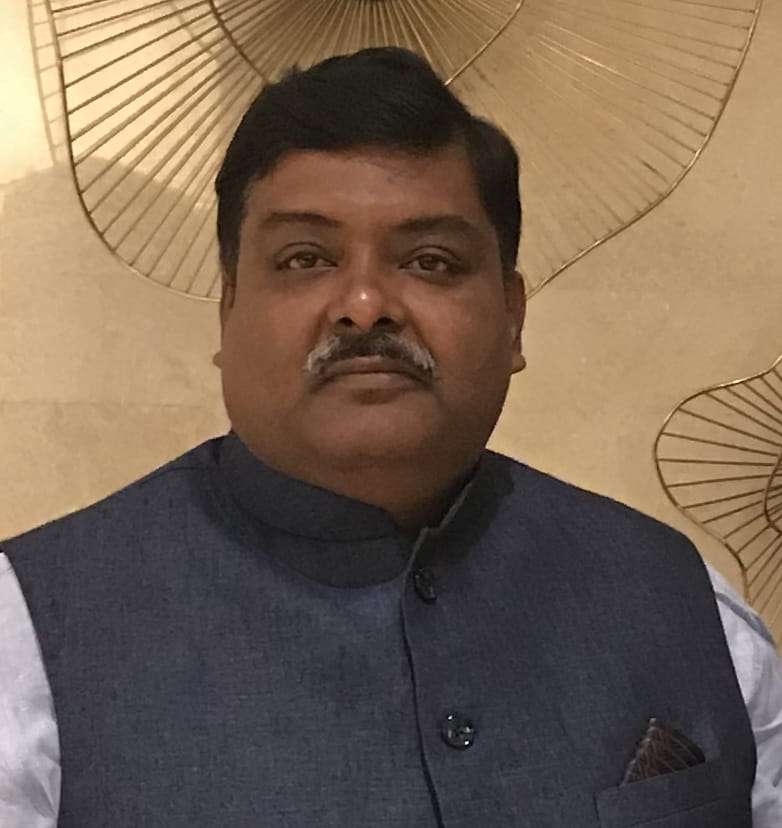
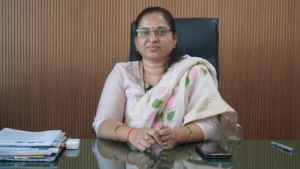
Debtosh Chatterjee, CEO & MD, Chatterjee Cleaning Arts Services Ltd (CCASL), Kolkata, traces how a niche, high-margin business confined to metros became a competitive, self-reliant industry — and why AI, not robotics, will define the next decade.
15 to 20 years ago, the Indian cleaning industry was small, exclusive and distant from the mainstream. There were not many players. Equipment, tools and chemicals were costly, import dependency was very high, and the business was confined only to big cities. The professional cleaning industry in India was largely concentrated in metropolitan markets, while opportunities for cleaning business in tier 2 cities remained limited.

It was a high-margin business for both service providers and product sellers, but small in size. Professional cleaning was seen as a premium service, affordable only to five-star hotels, large corporate campuses and airports in metros. The science behind cleaning was rarely discussed; the market was driven by availability, not suitability. That has changed fundamentally.
Self-Reliance Shift
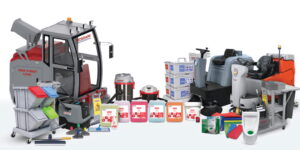
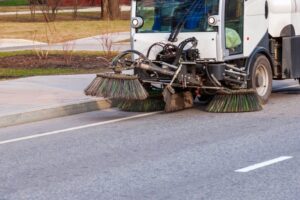
If one change has had the greatest impact, it is India becoming more self-dependent. Import dependency has reduced sharply. Indian manufacturing has become more relevant and promising. Cleaning equipment manufacturers in India have expanded their presence, making Make in India cleaning equipment increasingly relevant to the domestic market. Equipment, tools and chemicals are now affordable, competitive and widely available. The market has moved from a few importers to many manufacturers, including a large number of me-too players — a sign of both maturity and commoditisation.
Automation Key
AI in cleaning will be the dominating feature in manufacturing and service in the same way. Robotics has so many limitations and possibly won’t be able to replace human labour to a considerable limit. Automation will have a huge impact on the manufacturing floor when combined with AI, and in service delivery by replacing human involvement in marketing, operations, customer support, accounting and shop floor operations.
In other words, intelligence will optimise the business around cleaning even more than the act of cleaning itself.
Sustainability will still be place-specific. In the Indian context, it will remain behind its global counterpart. We would still be using phenyl and other non-standard products and will remain far away from the global standard in the next decade to come.
It is a reminder that while India has closed the gap on equipment and affordability, the journey on chemical standardisation, training and green protocols is still underway.
Competitive Ecosystem
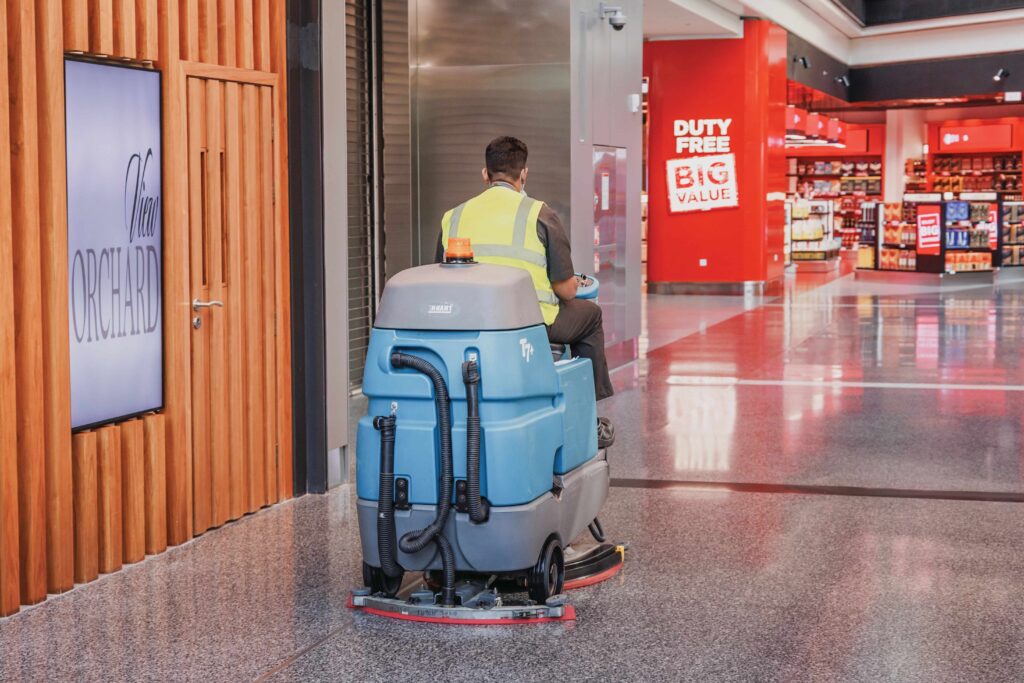
From a handful of players in big cities dealing in costly imports to a competitive, pan-India ecosystem of manufacturers, service providers and entrepreneurs — the last two decades have been about scale and self-reliance. The growth of cleaning equipment manufacturers in India and the wider adoption of Make in India cleaning equipment have helped create a more competitive domestic market. Opportunities are also expanding beyond metros, bringing the professional cleaning industry in India closer to emerging markets and strengthening the potential for cleaning business in tier 2 cities.
The next decade will be about intelligence — where AI in cleaning, AI-driven manufacturing and AI-enabled service delivery redefine efficiency, even as the industry continues to push for higher standards in sustainability and professionalisation.
“Intelligence will optimise the business around cleaning even more than the act of cleaning itself” — Debtosh Chatterjee, CEO & MD, Chatterjee Cleaning Arts Services Ltd (CCASL), Kolkata.
CIJ Gave Recognition The Industry Needed
For an industry that operated without recognition for years, the role of a common platform was critical. “First of all, Clean India Journal brought the much-needed recognition,” says Debtosh Chatterjee.
According to him, in an unorganised market, CIJ provided industry updates and information, made players noticeable within the circle, and importantly, explained the science behind cleaning. “It helped move the conversation from price per person to process, productivity, hygiene and safety,” he said.
“That credibility had a larger impact. By bringing service providers, OEMs, chemical companies and end-users onto one platform, the journal helped position India as one of the hottest destinations for the world market for procurement of tools, equipment, chemicals and allied services,” added Debtosh.
The first Clean India Show, which took place in Mumbai, brought together industry players for the first time. “The amount of confidence and the validation it gave was very unique in nature. For the first time I felt that this is the place where I professionally belong and want to scale in future,” he said.
Ask the expert
Have a question about this article? Put it to the people in it. We pass your details on and they come back to you directly.