






























Nagpur Redefines Hospital Hygiene
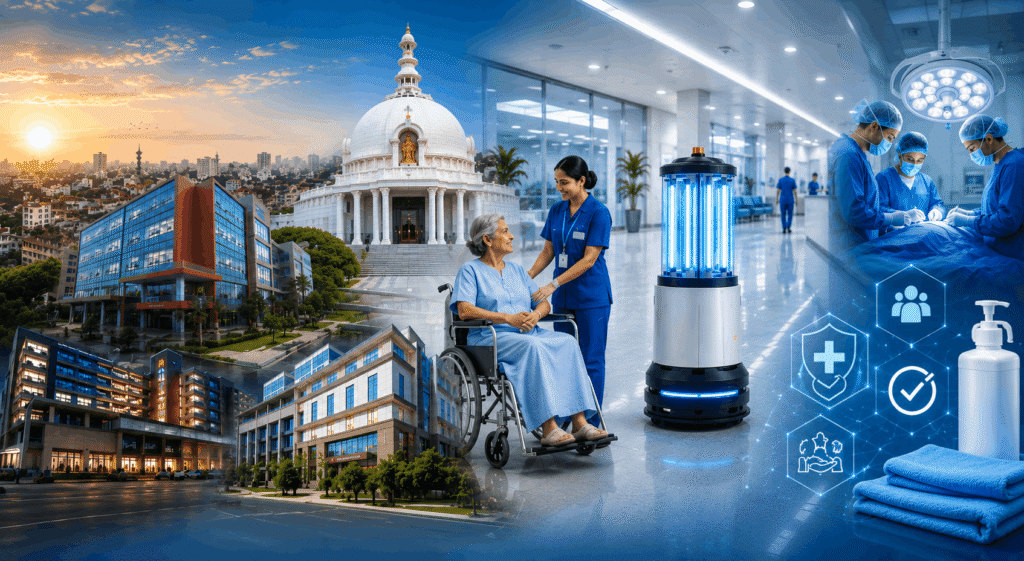
Across Central India, Nagpur is fast emerging as a hospital care hub. With tertiary care centres like KIMS-Kingsway Hospitals, Midas Hospitals and Viveka Hospitals expanding, the competition has shifted. It is no longer only about surgeons, scanners and specialities. It is about what patients see, touch and breathe the moment they enter, writes Samaresh Acharya, Special Correspondent, Clean India Journal.
Nagpur’s hospital boom is about more than new buildings. It is about raising the baseline. Midas is pushing surgical site infection protocols. Viveka is focusing on culture and training. KIMS-Kingsway is building systems, technology and measurement. Three different approaches, one shared goal: Make hygiene non-negotiable.

The “Nagpur Model” shows that Tier-2 cities do not have to wait for metros to set standards. With accreditation pressure, insurance demands, and patient awareness, hospitals are investing where it matters most. Because in healthcare, the first thing a patient judges is not the doctor. It is the floor, the toilet, the air. And in Nagpur, that first impression is now a clinical decision.
Some Gaps Remain, But They Are Fixable
Despite significant improvements in hospital hygiene standards, perfection remains a work in progress. During visits to several hospitals across the city, Clean India Journal observed a few recurring gaps that deserve attention. Most are not major infrastructure challenges but operational issues that can be addressed through stronger supervision, staff training and a proactive housekeeping culture. Timely corrective action will further strengthen patient safety and infection prevention.
A Matter of Continuous Improvement
None of these observations undermine the remarkable progress hospitals have made in cleanliness and infection control. Rather, they underline the importance of continuous monitoring, staff accountability and leadership commitment. In healthcare, even seemingly minor lapses can have significant consequences. Addressing these operational gaps can help hospitals move from being merely clean to becoming truly benchmark institutions in hygiene and patient safety.

Shortcomings Observed
- Main door handles are touched by hundreds of visitors every day, increasing the risk of cross-contamination. Automatic sliding doors or dedicated attendants can significantly reduce contact.
- Waterlogging was noticed around chiller plants, basements, entrance porches and lobby areas in some hospitals. Besides creating slip hazards, stagnant water can become a breeding ground
for mosquitoes. - In a few hospitals, mops were found resting on their bristles after use. They should be stored upright or on dedicated holders to allow proper drying and prevent bacterial growth.
- Air-conditioning ducts, false ceilings, skylights and other hard-to-reach areas were found accumulating dust, which can adversely affect indoor air quality if not cleaned regularly.
- While hospital cafeterias were generally clean, a few still used dustbins without lids, increasing the risk of odour, pests and contamination.
- Not all canteen staff were wearing mandatory hair caps, compromising food hygiene standards.
- In some hospitals, outpatient waiting areas were overcrowded, with inadequate seating and poor spacing, affecting patient comfort and increasing the risk of infection transmission.
- Patient and visitor toilets not cleaned frequently enough during peak hours.
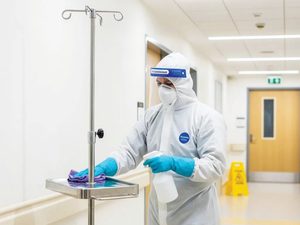
- Wheelchairs, stretchers and trolleys not disinfected after every use.
- Elevator buttons, handrails and lift interiors not sanitised at regular intervals.
- Hand sanitiser dispensers placed at inconvenient locations.
- Parking and ambulance bays littered with cigarette butts, food wrappers or plastic waste.
Ask the expert
Have a question about this article? Put it to the people in it. We pass your details on and they come back to you directly.