




















Professional Hygiene: 5 Factors Shaping the Future of Cleaning

Cleaning is not the same as hygiene, and choosing a cleaning chemical simply because it costs less can prove expensive in the long run. Professional hygiene requires using the right chemical on the right surface, at the right dilution and with the right technique. Sandeep Jain, Founder & CEO, Emperia 1900, says the future of professional cleaning lies in adopting effective cleaning practices, suitable chemicals and sustainable solutions.
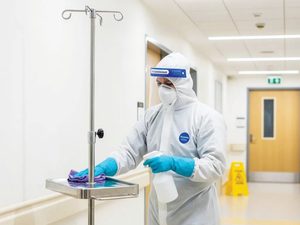
The basic difference between hygiene and cleaning is that cleaning makes a surface look clean, whereas hygiene is about preventing infection before it occurs. This distinction must guide procurement decisions across hospitals, hotels, offices, schools and other commercial facilities. Professional hygiene practices are essential to maintaining safe and healthy environments across these spaces.

Beyond Appearances: Professional Hygiene
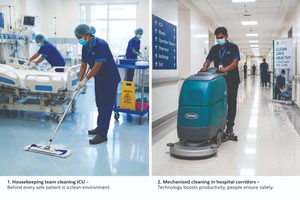
A visibly clean space may not necessarily be hygienic. Consider a hotel lobby, where appearance and ambience matter, and an ICU, where inadequate disinfection can have serious consequences. Yet similar chemicals, mops and cleaning practices are sometimes used across spaces with very different requirements.
Using the same mop in multiple rooms can transfer contamination instead of removing it. Such gaps in cleaning practices and awareness are particularly concerning in smaller towns and nursing homes, although standards vary across facilities.
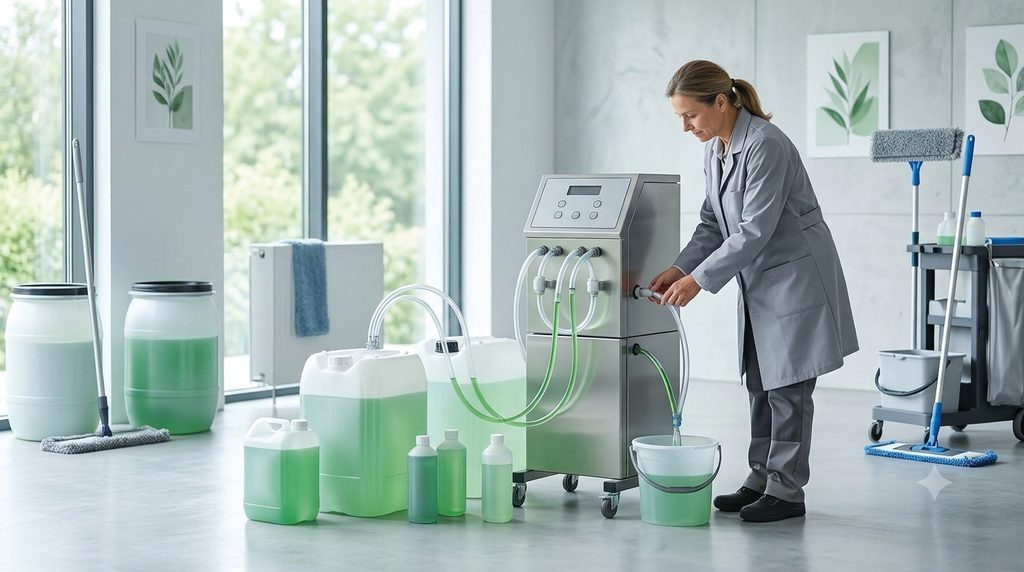
The solution is to match the chemical, mop, disinfection procedure and cleaning technique to the surface and its intended use. Correct dilution is equally critical, making automatic dosing systems useful for improving consistency and reducing errors. Choosing the right professional cleaning chemicals and following appropriate hygiene protocols can improve cleaning effectiveness.
To promote better practices, Emperia 1900 has introduced short hygiene lessons offering product- and application-specific guidance tailored to Indian cleaning requirements.
Evidence Must Support Hygiene
If hygiene cannot always be judged visually, how can customers establish whether a cleaning product works? Validation must become an essential part of purchasing decisions and professional hygiene management.
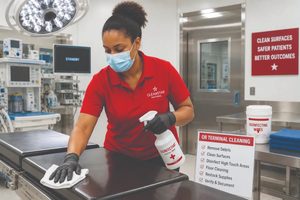
Facility managers should examine supporting documentation, including Material Safety Data Sheets (MSDS), product information sheets, laboratory reports and third-party test results. Surface swab testing can provide additional evidence by indicating microbial contamination levels and helping assess the effectiveness of cleaning and disinfection protocols.
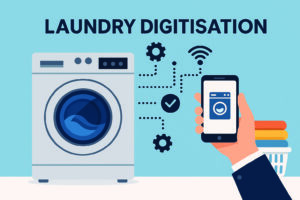
Testing and technology will become increasingly important to professional hygiene. Mobile-based tools and AI will help facilities assess cleanliness and hygiene, giving teams better access to information for evaluating cleaning outcomes.
Green Chemistry in Professional Cleaning
Green cleaning has attracted considerable attention, but the gap between marketing and actual adoption remains substantial. Sustainability is often promoted through packaging, communication and certification, while conventional chemicals continue to dominate everyday use.
Introduce green products selectively and prioritise formulations that demonstrate practical performance rather than launching an entire portfolio to meet market expectations. Green cleaning chemicals cannot achieve widespread adoption if they cost significantly more or require complicated handling that discourages routine use.
Making Green Cleaning Accessible
There are three requirements for accelerating green chemistry adoption: commitment to environmental responsibility, supportive government initiatives, and products that are effective, quality-controlled and cost-effective.
Emperia 1900 offers samples, demonstrations and trial opportunities to help customers evaluate products under operating conditions. Sales and technical teams operate across 50+ cities, with further expansion planned through distributors and research personnel.
“Stop choosing chemicals solely on the basis of the lowest price. Evaluate results, quantify resources consumed and understand what failure could cost.”— Sandeep Jain Founder & CEO, Emperia 1900
Calculating the Cost of Professional Cleaning
For facility management companies competing for contracts awarded on the lowest quotation, or L1, price remains a major challenge. Comparing chemical prices alone overlooks the actual economics of cleaning.
A product priced at ₹200 may appear cheaper than one costing ₹500. However, if the cheaper product requires 150 ml per application while the concentrated alternative needs only 30 ml, the initial price comparison becomes misleading. The relevant measure is cost per use, not merely cost per litre.
Facility managers must also consider cleaning time, rinsing requirements, water consumption, repeat cleaning and labour. Evaluating cost-effective cleaning solutions requires looking beyond the purchase price to understand the actual cost of each application.
Technology and the Future of Professional Hygiene
Over the next five years, professional hygiene will become more closely linked with technology, occupational health and measurable sustainability outcomes. Ultimately, professional hygiene and green chemistry must deliver performance, affordability and accountability. Products should not be marketed as sustainable merely because they carry an environmental message; they must work effectively under actual operating conditions.
Stop choosing chemicals solely on the basis of the lowest price. Evaluate results, quantify resources consumed and understand what failure could cost. The future of cleaning will depend on solutions that make hygiene measurable, sustainability practical and effective cleaning economically viable.