



























Balaji Wafers-Processing Clean & Green
When it comes to cleaning in India, not many industries appear to follow clean & green practices; the gloom and doom in maintaining profitability simply doesn’t let the management concentrate on cleaning. Among the few companies that have swayed from the Inertie du dirtiness to the aisle of ‘clean’ practices, is Balaji Wafers. Also known as the ‘Sultan of Wafers’, Balaji Wafers has won accolades across the globe for quality maintenance of its manufacturing facility.
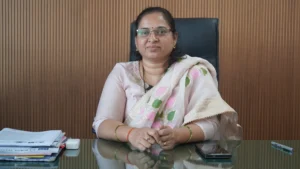
Started in 1974 by supplying wafers to Astron cinema canteen of Rajkot, Balaji Wafers has come a long way by taking over 70% snack market of Gujarat and 40-50% of Maharastra, Goa, Rajasthan and MP. Instead of preparing wafers by the traditional frying method, it uses the fully automatic plant which helps maintain cleanliness and hygiene levels of the shop-floor. Speaking to Clean India Journal, ChanduBhai Virani, MD-Balaji Wafers informs, “We have two plants in Rajkot and Balsar; each spread over around 35 acres is fully mechanized and automated. Forty years of experience in this field helps achieve the highest of the quality and hygiene.”

The Rajkot plant is the largest in capacity in India which can process 4500kg potatoes and make 1200kg of chips per hour. The namkeen and other product lines have separate departments and these are being produced in the same quality conscious processing system. “That is the big advantage of this big ‘Balaji’ Plant.”
To ensure fresh product availability across every 100 metres of its market, the company has established a good distribution network. The plants process around three lakh potatoes on a daily basis. Thereafter, the manufactured and ready packets reach the distributors dealers, retailers and end consumers.
“Taken care by the plant heads, the supervisors deputed are incharge of cleaning and maintenance. So far, 50 staff members have been deputed for the cleaning of both the plants. Though, training was being provided initially, the high attrition makes the process of training less effective. We are now hiring skilled, educated and experienced people who can do the job efficiently just after a few days training.
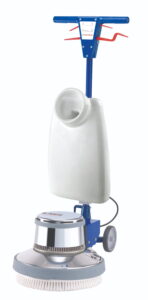
“We have bought ride-on sweepers to clean the plant area. High pressure jet cleaning systems are installed at the shop floor for cleaning the machines. Deep cleaning is done once a week.
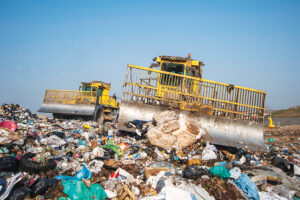
“Among the waste are water and the discoloured potato chips/mung dal that are shot out through air jet. Big ETPs have been installed to process the wastewater and are later used for irrigation purposes. The water is also supplied to chemical factories.
“While the bio-gas plants have been established to generate bio-fuel from organic waste that is further used as fuel, wind mills too have been established at each of the plants that multiplies the clean & green ingredient reducing the overall carbon black generation.”
Ask the expert
Have a question about this article? Put it to the people in it. We pass your details on and they come back to you directly.