
























Revisiting Healthcare Linen Processing

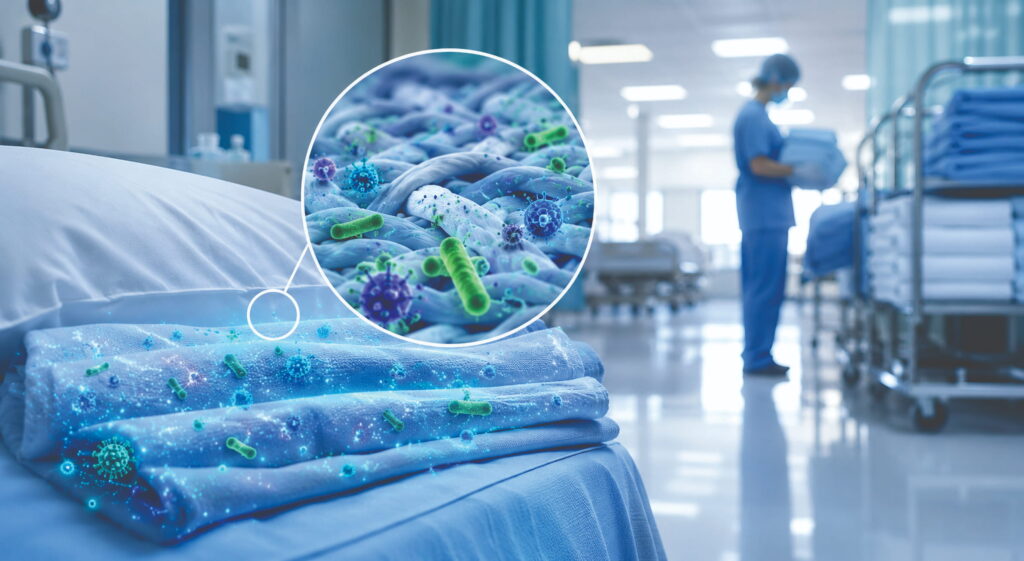
In a hospital, almost everything is treated as a potential vector — instruments, surfaces, hands. But linen often gets overlooked. The reality is stark: Textile surfaces can act as reservoirs for microorganisms and transfer them to patients, staff and the environment. Sayan Som, Director – Sales & Co-Founder, Clean Cat-Commercial Laundry, in conversation with Clean India Journal, lists out the linen facets.
A single bedsheet can absolutely become a transmission risk between two patients if it is reused, handled improperly, or not laundered and stored correctly.

Hospital guidance treats linen as potentially contaminated. The safest rule is: Treat every used sheet as contaminated until it has been properly reprocessed. That means no ‘bedsheet, two patients’ unless the sheet has gone through full washing, drying, and clean storage in between. Anything less is a preventable infection-control failure.
Chain of Custody
Infection risk begins the moment linen is soiled. The best practice is clear and simple yet often missed at the bedside.
Soiled linen should be rolled, never shaken, and placed directly into a leak-proof, labelled container in the patient care area. Staff must wear gloves, practice hand hygiene, and never carry soiled linen against the body. The goal is minimum handling and zero aerosolisation.
Transport is equally critical. Soiled and clean linen must move in separate, covered containers. Bags used for soiled linen should never be reused for fresh linen.
Once in the laundry, the segregation continues — the processing area for soiled linen must be physically separate from clean areas.
Wash, Dry, Store
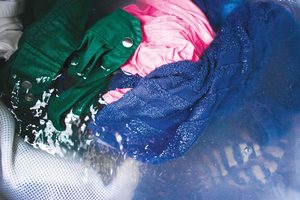
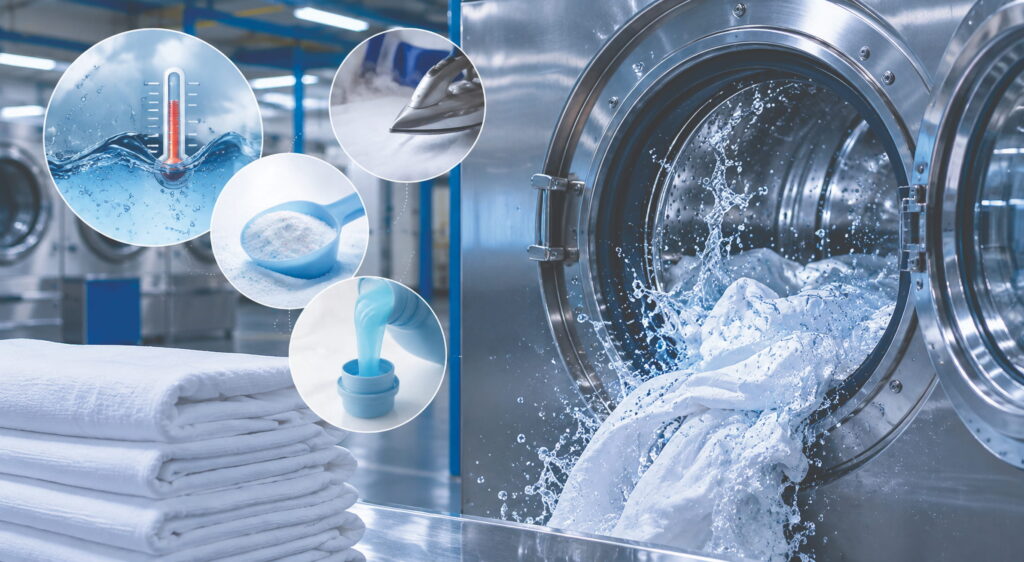
Microbial load is removed not by magic, but by process. The standard is hot water washing at 70-80°C for 10 minutes with approved detergent. That alone achieves adequate cleaning. Bleach or ironing can provide additional microbial reduction but are not always necessary unless there is specific contamination risk. Fabric softeners do not prevent infection, but they improve handling and reduce lint.
Hand washing follows the same principle: Heavily soiled items are washed separately, with enough agitation and soap to remove all visible soil.
Machine cycles are adjusted per manufacturer instructions and linen type. Both hot and cold cycles with bleach reduce bacterial counts, but heat plus time remains the gold standard.
Drying is non-negotiable. Linen must be completely air-dried or machine-dried, kept off the ground and away from dust and moisture. Once dry, each piece is inspected for tears or thinning. Damaged items are pulled out for separate processing. Ironing and folding happen only after this check.
Storage is where many hospitals lose the gains made in washing. Clean linen must be kept in closed, clean rooms with physical barriers separating them from soiled areas.
Good Linen Management
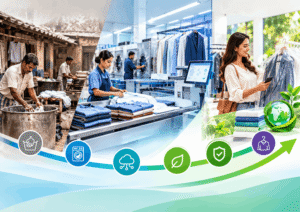
For hospitals, outsourcing linen management to specialists has become an operational necessity. Clean Cat Laundry, founded in Kolkata in January 2020, brings hospitality-grade expertise to healthcare. The co-founders come from 5-star hotel laundry, marketing, and finance backgrounds, with a mandate to make affordable, compliant commercial laundry accessible to institutions.
A full-service linen management model includes:
- Managing all linen room personnel on hospital payroll.
- Twice-daily pickup of soiled linen and delivery of fresh stock.
- Running the hospital’s laundry operation to set standards.
- Procuring and supplying linen, maintaining adequate circulation stock.
- Managing discarded and misplaced linen with timely replacement.
- 24×7 linen room operations and monthly inventory reporting.
This is not just logistics. Proper linen management directly impacts patient comfort, staff efficiency, and a hospital’s reputation for quality care. An adequate supply of clean linen reduces stress on frontline workers and frees nurses to focus on care, not chasing supplies.
“Infection risk begins the moment linen is soiled. Best practice is clear and simple, yet often missed at the bedside”— Sayan Som Director – Sales & Co-Founder, Clean Cat-Commercial Laundry
The Human Firewall
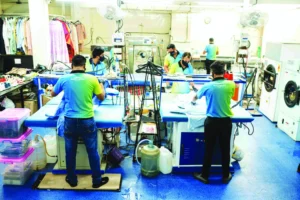
Equipment has advanced, but people still make the difference. Clean Cat’s training is built on four pillars:
- Equipment Handling: Staff are trained on modern OPL machines to maximize efficiency and reduce costs. Wrong settings waste water, energy, and linen life.
- Process Flow: From sorting and spotting to chemical use, washing, drying, pressing, and logistics — every team member understands how each step connects. One weak link compromises the whole chain.
- Safety and Bio-hazards: Strict protocols cover PPE, self-safety, and handling of infectious material. Staff learn why gloves, aprons, and eyewear are mandatory during sorting and loading.
- Continuous Monitoring: Training doesn’t end at onboarding. Regular reviews ensure procedures are followed and standards are maintained. The result is consistency, not just compliance.
Bigger Benefits
Effective linen management delivers returns beyond hygiene. They include:
- Cost Savings: Optimizing use, reducing losses, and efficient laundry cycles cut expenditure significantly.
- Infection Control: Properly processed linens lower the risk of hospital-acquired infections.
- Sustainability: Water and energy efficient practices demonstrate environmental responsibility.
- Operational Efficiency: Streamlined workflows mean fewer disruptions and better resource use.
- Patient Experience: Clean, soft, fresh linen is a basic dignity. It reassures patients and aids recovery.
Well-Planned
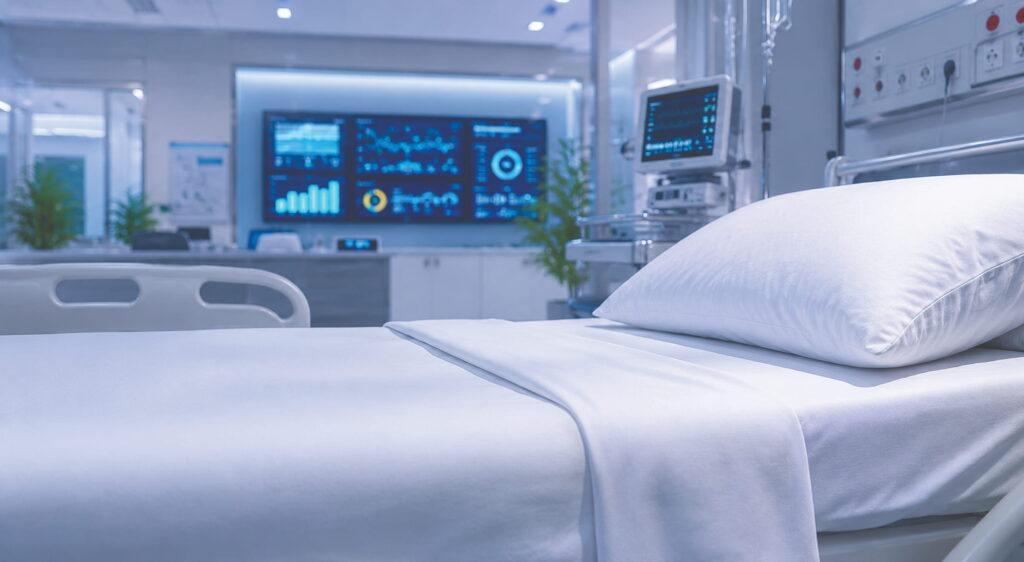
Smart Hospitals talk about sensors, dashboards, and predictive maintenance. But the foundation remains analogue: A clean sheet on a clean bed. The principles haven’t changed. What has changed is the discipline of execution. Hospitals that treat linen as a clinical asset — with defined processes, trained staff, and accountability — will see the payoff in fewer infections, lower costs, and higher patient trust. Because, in healthcare, safety is often found in the details we touch every day. And sometimes, that detail is just a bedsheet.