























Coimbatore Airport:Turning 1.5T of Food Waste to Zero Waste
Airport food waste management is a complex challenge, requiring a balance between operational efficiency, environmental sustainability and stringent health regulations. Saran Raj, Co-Founder, Clean Cities Foundation shares with Clean India Journal, a case study with Coimbatore Airport transforming its waste management into a resource-recovery system.
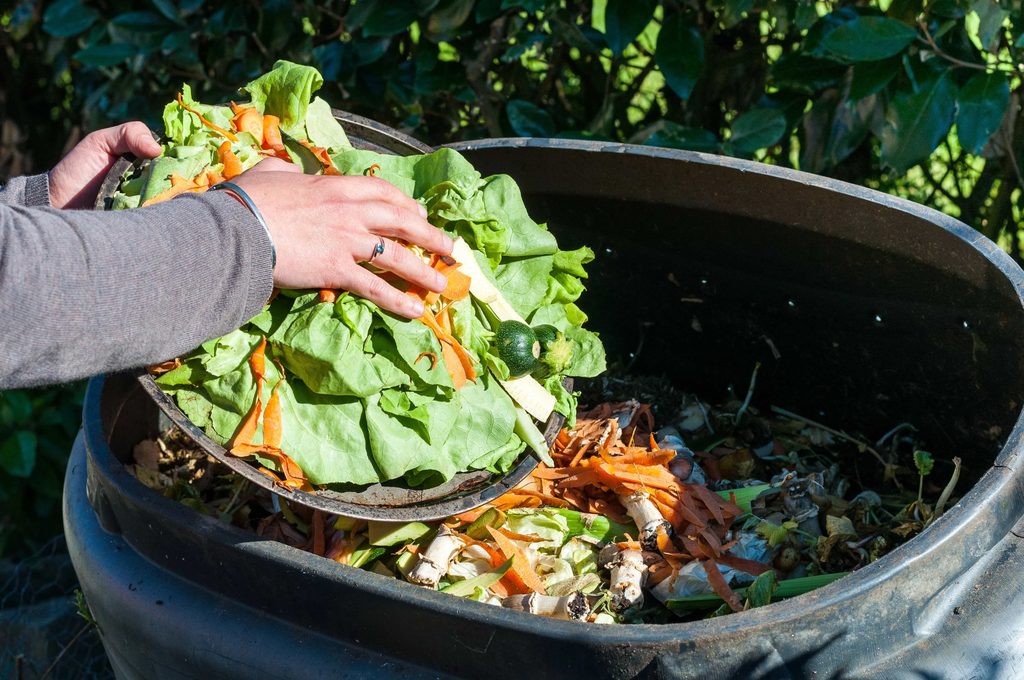
The journey began in 2016 with a six-month pilot project. At that time, the airport generated approximately 300 to 500 kg of waste per day. Today, the volume has grown significantly to between 1 and 1.5 tonnes per day (TPD), reflecting the increasing footfall and changing consumption patterns.

Core Strategies
Coimbatore Airport puts in a multi-pronged approach to ensure food waste is diverted from landfills:
On-site Transformation (OWC):
The airport utilizes Organic Waste Converters (OWC) with a capacity of 1 TPD to transform terminal food waste into high-quality compost used for landscaping the airport’s gardens.
Black Soldier Fly (BSF) Integration:
Recognizing that OWCs cannot process pure liquid food waste, the airport has a tie-up with a BSF farm. “This excess organic waste is converted into high-value protein fodder for poultry,” shares Saran Raj, creating a true circular supply chain.
Mandatory Segregation:
Generators are categorized based on their output (organic vs. dry waste). Vendors and staff receive specific training to ensure food scraps never enter the dry-waste stream.
Real-time Monitoring:
A 24/7 WhatsApp group connects operators, vendors and airport officers, allowing for immediate reporting of issues and timely collection of surplus food from lounges before it becomes waste.
Specialised Handling
Managing waste at an airport involves unique categories that require specialized handling:
Airline Waste:
Every airline operates separate vehicles to bring deplaned waste to a central hub daily. This stream is also included in the count of 400–500 kg of daily waste.
International Waste:
Catering waste from international flights is immediately delivered to the hub for segregation and disposal according to strict health and safety norms.
Future Outlook
Following the upcoming airport expansion, there are plans to implement a biogas plant. This would allow the airport to use organic waste to produce gas for cooking in on-site canteens, further offsetting operational costs and moving closer to a ‘zero waste to landfill’ goal.
Airport Food Waste in India
Food waste remains a major component of Municipal Solid Waste (MSW) at airports, typically categorized under compostable and biodegradable waste.
| City Tier | Average Food Waste Generation (Est. 2024-25) | Management Primary Methods |
| Tier-1 (examples: Delhi, Mumbai) | 10–20+ Tonnes Per Day (TPD) | Large-scale Biogas plants, Industrial Composting, Waste-to-Energy |
| Tier-2 (examples: Coimbatore, Jaipur) | 1–5 Tonnes Per Day (TPD) | Organic Waste Converters (OWC), BSF Farming, Localized Composting |
| Tier-3 (examples: Hubbbali, Belagavi) | < 1 Tonne Per Day (TPD) | Pit composting, Handover to Municipal Corporations |
Current Trends
Increasing Volume:
Across all tiers, airports report a steady increase in waste, driven by packaging foods and a shift from plastic to paper-based materials.
The actual reality is, the waste is increasing day by day. This is due to these packaging foods, the quantity is increasing, especially from airlines. Now, composition has changed. Previously, it was mostly plastics—single use plastics. Now they have shifted to paper bags, paper covers and paper boxes.
Aviation Industry Benchmark:
Approximately 75% of the total waste stream at airports is either recyclable or compostable, highlighting the massive potential for organic waste recovery.
Policy Drivers:
Many Indian airports are now adopting the Waste Hierarchy—prioritizing avoidance and reduction over disposal—to meet international sustainability standards.
Ask the expert
Have a question about this article? Put it to the people in it. We pass your details on and they come back to you directly.