






 CIJConnect Bot-enabled WhatsApp today at 4:00 PM.
As labour shortages, sustainability pressures and operational complexity reshape facility management, intelligent cleaning automation is steadily moving from novelty to necessity. Schevaran is among the companies betting that robotics, AI and connected systems will define the next phase of professional cleaning operations.
The professional cleaning industry is entering a period of transition. Across airports, malls, hospitals, manufacturing units and commercial offices, facility managers are under pressure to deliver cleaner environments with fewer resources, tighter compliance requirements and growing sustainability expectations.

For decades, most large facilities depended on manpower-heavy operations supported by mechanised equipment. But rising labour costs, workforce shortages and the need for measurable operational efficiency are gradually pushing the industry towards intelligent automation.
It is within this changing landscape that companies such as Schevaran are expanding beyond cleaning chemicals and consumables into autonomous and semi-autonomous cleaning systems.
Operational Shift
Industry experts point out that automation is becoming less about replacing manpower and more about improving consistency, reducing repetitive work and enabling teams to manage larger spaces efficiently.
Facility operators today increasingly expect measurable productivity, operational visibility and data-backed cleaning performance, particularly in high-footfall environments where hygiene standards directly affect customer experience and compliance.
Schevaran’s automation portfolio includes dry vacuuming robots, autonomous wet scrubbers and multi-function commercial cleaning systems designed for offices, industrial facilities and retail environments.
The company has also positioned sustainability at the centre of its operations, highlighting certifications such as EcoVadis Gold Medal status, CII GreenCo Silver Rating, ISO 9001, 14001 and 45001 management system alongside GreenPro certification for 22 major product lines and received both the CII National Shining MSME Award and the Outlook Planet Circularity Award in 2025.
Smart Systems
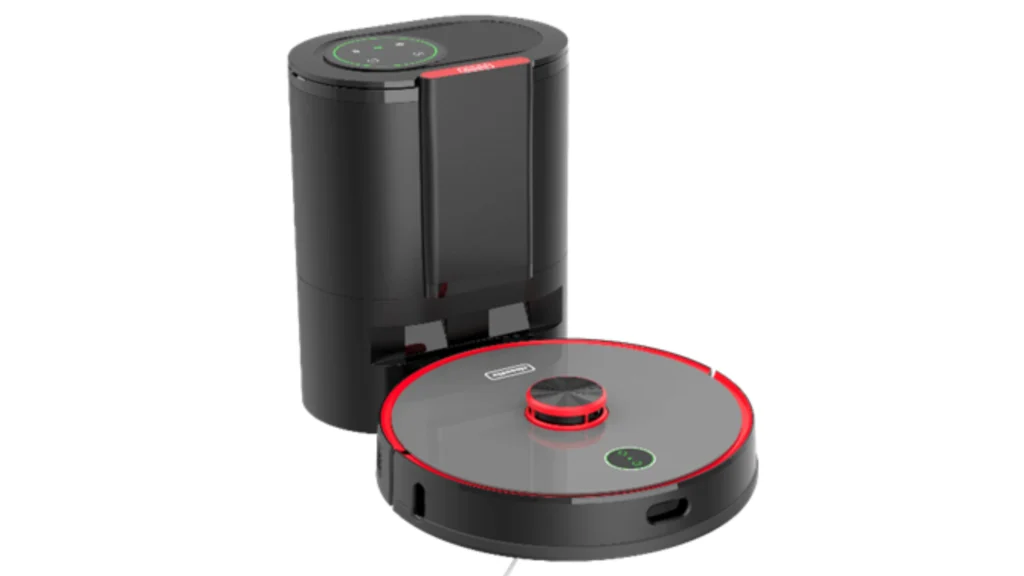
One of the systems being positioned for commercial spaces is the Cleanfix S170 Navi – an autonomous dry vacuuming robot designed for office corridors, meeting rooms and lobbies.
The robot uses LiDAR-based navigation systems and obstacle detection technologies to move through crowded indoor environments while automatically returning to its docking station for charging and dust disposal.
Fleet management functionality allows multiple units to be monitored simultaneously across large facilities.
The S170 Navi – a dry vacuuming robot with fleet management capability has a battery life of up to 250 minutes, with its docking station simultaneously charging the unit and emptying its dust tank. Cable detection and LiDAR navigation make it particularly effective in office environments.
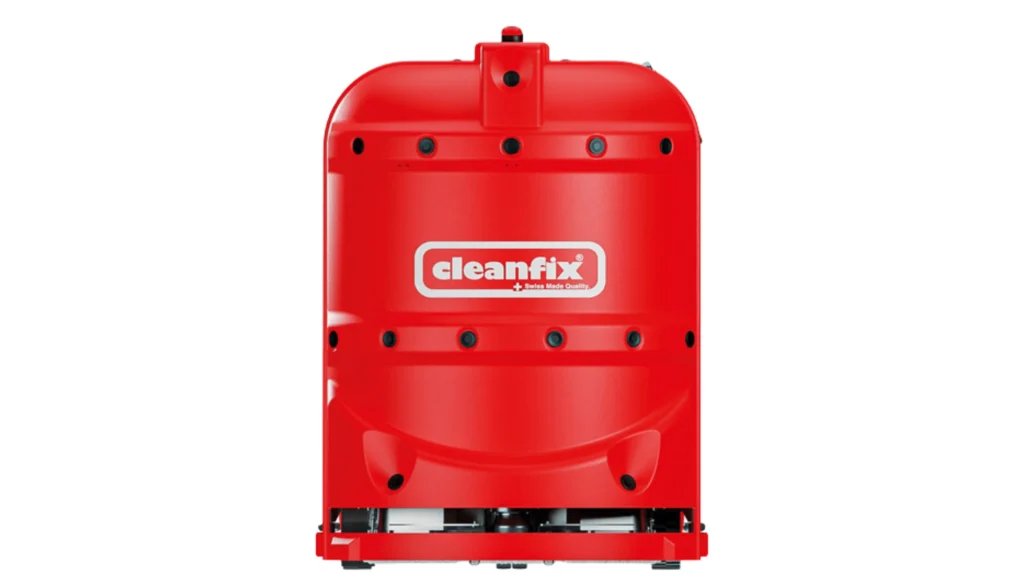
For industrial-scale wet cleaning operations, Schevaran is promoting the RA660 Navi XL, an autonomous floor scrubber developed for warehouses, airports and manufacturing units.
The RA660 Navi XL is equipped with 3D obstacle detection, a 110-litre water tank, automatic charging capabilities and the ability to communicate with elevators, doors and alarm systems in connected facilities. The machine is designed to reduce manual intervention during routine cleaning operations.
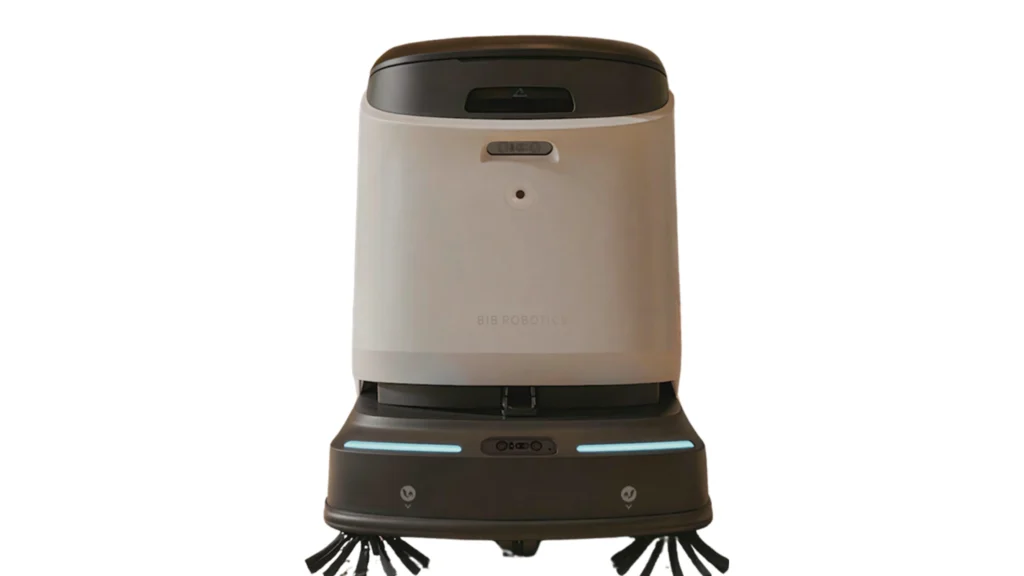
The Schevaran J36 Indoor Commercial Cleaning Robot, a multi-function platform capable of sweeping, scrubbing, mopping and vacuuming within a single system.
The J36 covers up to 1,600 square metres per hour during sweeping and operates at noise levels at or below 60dB(A), making it suitable for occupied retail spaces. Schevaran positions these systems as complementary to its established cleaning chemistry range – offering an integrated solution rather than standalone hardware. Also, features such as automatic charging, self-cleaning and automated water refilling are intended to reduce the maintenance burden on housekeeping teams.
Data Visibility
One of the biggest shifts automations is bringing into cleaning operations is the growing importance of measurable data.
Traditionally, housekeeping performance has been difficult to quantify beyond manpower deployment and area coverage. Autonomous systems, however, continuously generate operational metrics including cleaning routes, runtime, coverage data and maintenance requirements.
Industry experts believe such visibility will become increasingly important as clients demand measurable service outcomes rather than simply workforce deployment.
The integration of fleet management systems, cloud connectivity and operational dashboards is also enabling centralised monitoring of machines across multiple facilities.
Sustainability Focus
Sustainability is emerging as another major driver behind automation adoption.
Reducing water usage, lowering chemical consumption and improving energy efficiency are becoming operational priorities across sectors.
Battery technology is also becoming a key focus area, with lithium battery systems enabling longer runtime and faster
charging cycles.
Future Direction
While autonomous cleaning systems are still in relatively early stages within India, industry observers believe adoption is likely to accelerate across airports, hospitals, malls, metro systems and large infrastructure projects.
At the same time, experts maintain that robotics is unlikely to eliminate manpower requirements entirely. Instead, the sector appears to be moving towards hybrid operational models where human teams and autonomous systems work together.
In this evolving environment, the conversation is no longer only about cleaning machines. It is increasingly about connected ecosystems where robotics, AI, operational data and sustainability targets converge to improve efficiency and consistency across facility management operations.
Schevaran is a science and technology-driven company where in-house R&D, forms the backbone of innovation — advancing applied science, robotics integration and technological features to deliver smarter and effective solutions. It is one of the leading companies engaged in developing efficient sustainable cleaning & hygiene solutions and systems.