 CIJConnect Bot-enabled WhatsApp











Sustainability in hotel housekeeping has evolved well beyond linen reuse cards, and recycling bins tucked away in back-of-house areas. Today, it sits at the intersection of operational efficiency, guest expectations, staff wellbeing, and environmental responsibility. Bhimrao Dhoble, Executive Housekeeper & Soft Service Professional, IHG Greater Noida, shares his experience on sustainable housekeeping which is most effective when it is practical, measurable, and embedded into daily routines. He writes about the latest trends.
Housekeeping departments are uniquely positioned to drive sustainability outcomes. We oversee the highest consumption of water, energy, chemicals, linen, and manage most of the daily waste generated by guest operations. When sustainability initiatives are applied consistently across multiple rooms and public areas, even small procedural changes can lead to significant environmental and financial impact. Sustainability should support housekeeping teams — not add unnecessary layers of work.

One of the most impactful changes implemented under my leadership was the transition to environmental-friendly cleaning products. These solutions were biodegradable, non-toxic, and safer for both guests and staff. Initial scepticism around performance was addressed through proper training, correct dilution, and revised cleaning procedures.
We also adopted concentrated chemical systems, which reduced plastic packaging, storage requirements, and transport emissions. Over time, chemical usage decreased without any decline in cleanliness scores or guest satisfaction.
The results were immediate and excellent. It improved indoor air quality, resulted in fewer health complaints among housekeeping staff, and lowered chemical costs through controlled dosing and misuse.
Single-use plastics have become one of the most visible sustainability issues in hospitality. Replacing individual bathroom amenities with refillable dispensers proved to be both environmentally responsible and operationally efficient.
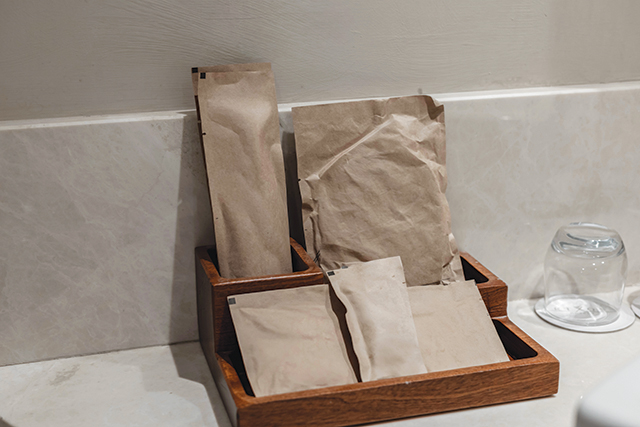
Clear guest communication and high-quality products ensured acceptance, while housekeeping teams benefitted from faster room servicing and reduced inventory handling.
Additional plastic reductions included the elimination of plastic laundry bags and plastic bottles, replacing disposable cups with reusable or compostable alternatives, and reducing unnecessary packaging in housekeeping supplies.
Laundry operations are among the largest consumers of water and energy in any hotel. Implementing a structured linen and towel reuse program delivered immediate results. Success depended on two factors: Consistent staff procedures and clear, positive guest messaging.
The impact was clear as water and detergent consumption reduced, lowered energy usage and extended linen lifespan and, simultaneously, reduced replacement costs.
Beyond guest participation, water usage was reduced through improved cleaning methods. Microfiber tools replaced traditional cotton mops and cloths, requiring less water and fewer chemicals while delivering better cleaning outcomes.
Effective recycling requires clarity and consistency. Color-coded, clearly labeled waste stations were introduced in back-of-house areas, supported by staff training on proper segregation.
Guest room waste systems were simplified to reduce contamination, while partnerships with local waste providers ensured materials were genuinely recyclable rather than diverted to landfill.
Over time, recycling efficiency improved significantly, with waste audits providing valuable insights into consumption patterns.
Digital tools have transformed how housekeeping supports sustainability. Task management systems now allow rooms to be cleaned based on actual occupancy rather than fixed schedules, avoiding unnecessary resource use. This transparency helped teams understand the real impact of their actions and encouraged accountability at every level.
Sustainable housekeeping depends on the person. Training has to be practical, continuous, and directly linked to daily tasks. Sustainability principles were embedded into onboarding, daily briefings, and refresher training sessions.
Framing sustainability as working smarter and safer, rather than doing more, was essential. Recognition programs further reinforced positive behavior and boosted team morale.
From my experience, the most important takeaway is simple: Sustainability works best when it becomes routine. When eco-friendly practices are part of how housekeeping operates every day, they support better performance for the hotel, the team, and the environment.