









 CIJConnect Bot-enabled WhatsApp today at 4:00 PM.
The Housekeeping Workforce Crisis Behind Healthcare Expansion
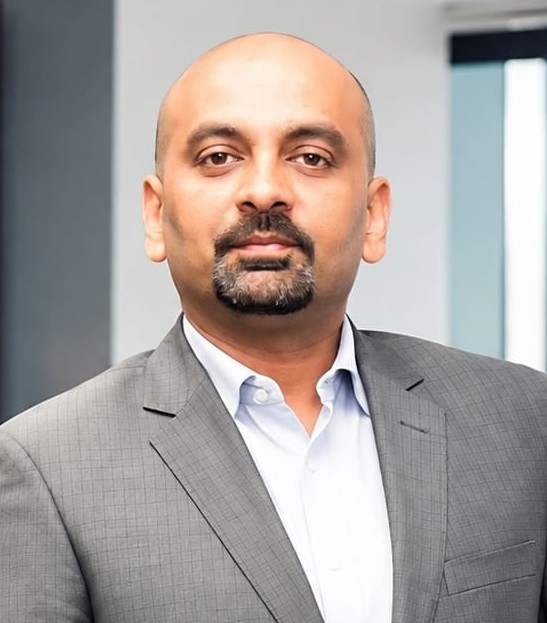
India is building hospitals faster than it is building the teams to keep them safe. Every new bed adds pressure to an already stretched system, writes Aashay Jambhekar, Assistant Manager – Housekeeping, Deenanath Mangeshkar Hospital, Pune, for Clean India Journal. The risk is not visible in boardrooms. It shows up on the hospital floor

People choose a hospital based on its doctors, nurses and technology. But there is one pillar of patient safety that rarely gets the spotlight — the housekeeping team. Every spotless floor, disinfected bed, sterile operation theatre and infection-controlled ward exists because of the work done behind the scenes.
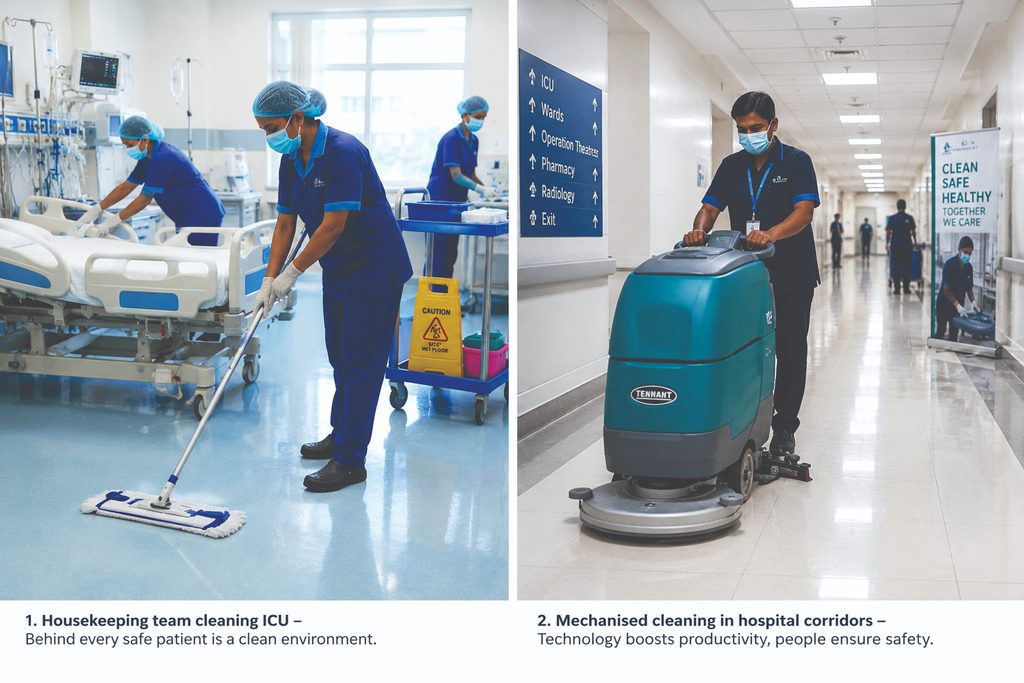
In a hospital, housekeeping is directly linked to clinical outcomes. Teams are responsible for disinfecting patient rooms, carrying out terminal cleans after discharge, maintaining OTs, sanitising ICUs and NICUs, handling biomedical waste, managing spills, cleaning high-touch surfaces, and supporting infection control during outbreaks.
One missed surface can mean the difference between safety and infection. A single lapse in cleaning can expose hundreds of patients to Healthcare Associated Infections (HAIs).
Floor View
Our model combines in-house and outsourced manpower. Patient wards are maintained by permanent on-roll staff with years of experience and a thorough grasp of hospital protocols. Public areas, corridors, waiting lounges, washrooms and parking are maintained through outsourced manpower.
The hybrid model offers flexibility, but it also exposes the industry’s biggest problem — keeping manpower consistently available. Unlike an equipment shortage, a manpower shortage cannot be resolved overnight.
Why The Shortage
Falling interest: Retail, logistics, delivery platforms, warehouses, e-commerce and manufacturing offer better pay, flexible hours, less physically demanding work and faster promotions. Healthcare housekeeping struggles
to compete.
Physical demand: Staff stand for long hours, handle chemicals, move heavy equipment, clean infectious areas and wear Personal Protective Equipment (PPE) during outbreaks. Public recognition remains limited.
High attrition: Many outsourced employees leave within weeks — for better wages, shorter commutes, family responsibilities or relief from shift and weekend duty. Recruitment, training and replacement become continuous.
Rising standards: Accreditation now requires Standard Operating Procedure (SOP)-based cleaning, colour coding, documentation, Adenosine Triphosphate (ATP) monitoring, chemical dilution control, machine-based cleaning and infection surveillance support. Today’s associate needs technical knowledge, not just cleaning skill.
“India’s hospitals are expanding, but the workforce keeping them safe is shrinking, strained, and undervalued”— Aashay Jambhekar Assistant Manager – Housekeeping, Deenanath Mangeshkar Hospital, Pune
Compulsory Training
Every employee must understand infection prevention, contact precautions, biomedical waste segregation, isolation room cleaning, terminal cleaning, hand hygiene, chemical safety and cross-contamination prevention. Many recruits arrive with no healthcare exposure at all, so hospitals invest heavily before an employee becomes fully productive.
Outsourcing adds its own strain. Vendors struggle to recruit, retain, meet attendance commitments and replace absentees immediately. The burden falls on housekeeping managers, who must keep services running regardless. Patients do not distinguish between in-house and outsourced staff — they only see whether the hospital is clean.
Pandemic Lesson
During pandemic, housekeeping teams entered wards every day, cleaned isolation rooms, disinfected contaminated areas and handled infectious waste under immense psychological stress. Afterwards, recruitment became harder still. Many left healthcare permanently.
Machine Use
Scrubber-dryers, ride-on machines, ultraviolet disinfection, hydrogen peroxide fogging, robotic systems and microfibre technology all lift productivity. But no machine performs terminal cleaning of an occupied ward, spots a contamination risk, responds to an emergency spill or reassures an anxious patient. Maintaining dignity during cleaning is not a task that can be automated.
Future Plan
Housekeeping is still seen as unskilled work. It is a professional discipline, and India needs structured career pathways — associate, senior associate, team leader, supervisor, assistant manager, manager, infection prevention support specialist. Hospitals must offer market-aligned wages, continuous skill development, recognition, wellness initiatives and modern equipment that reduces physical strain.
Artificial Intelligence (AI) may transform healthcare, but it cannot replace compassion and judgment. Build hospitals, buy equipment — but without this workforce, we will have world-class infrastructure and no one to keep it safe.