







 CIJConnect Bot-enabled WhatsApp today at 4:00 PM.
Smart technologies including multi-facility dispensing system for cleaning as well laundry, chemical containers with bottle-lockout feature, recycling bins, bins with indicators, trolleys equipped with air monitoring devices, smaller machines with long lasting battery life and many more have been showcased in tune with the end user needs.

The main focus of innovations besides cleaning efficiency is on reducing time taken for cleaning & labour and addressing energy costs.
[box type=”shadow” ]
Amsterdam Innovation Award
The winner under the Machines, accessories and components category is Robot RA 660 NAVI from Cleanfix. The company worked closely with users over many years to develop a machine that is now in use across Europe.. The jury was particularly impressed with its navigation system, which uses laser, and its efficiency in mapping rooms, putting in place virtual walls, and ease of use for the operator. And it can clean to the narrowest of corners.
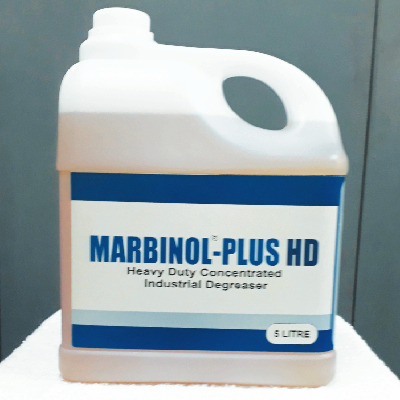
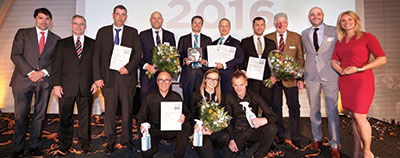 The winner under Equipment/tools for cleaning, care and safety category is Quick & Easy System from Werner & Mertz Professional. The jury was impressed with the ultimate portability, simplicity and practicality of Quick & Easy. The operator wears the system on a belt and can move from room to room with five different chemicals, interchanging between them quickly and easily. There is no need for installation and the operative does not come into direct contact with the chemical, making it completely safe.
Kärcher won the Visitor’s Choice Award with 45% of the votes for BRC 40/22 C. This is the cleaning sector’s first walk-forward carpet cleaning machine with a 200 degree rotating brush and vacuum head. Traditional carpet cleaning machines operate backwards so this new development brings about significant productivity gains.
The other winner in the machine category is Sealed Air Diversey Care TASKI Swingobot 755, a robotic scrubber dryer launched by the company following its purchase of Intellibot in 2015. Compact and user-friendly, it is designed to cut wastewater and chemicals by 85%. [/box]
 While, ISSA/Interclean Shows have been witnessing visitors from across the globe, exhibitors have observed demand rising in new markets. Most manufacturers are catering to meet the existing demand in the European market and are looking at expanding into emerging markets. Some of the major markets are India and China, Russia, Far east and also Africa.
Explaining the chain of trends leading to demand for cleaning in these countries, Marcus Asch said, “Professional cleaning follows a simple trend from age old time and will remain so in the coming times too. It starts with manual cleaning and higher the salary increase rate, more the mechanization. In China, for example, the salaries have increased so sharply that the country is pushing for mechanization.
“Second trend that we get to see in some parts of the world is that the people engaged in manual cleaning are getting old now and need support leading to more and more mechanization.
“Third trend is that some countries are facing labour shortage. For example, Japan and some European countries don’t have people. Even the UK has moved to day time cleaning because it cannot afford people at night. There are trends that further boost the increase of mechanization. These trends apply to every market, including India.”
At one end, as developed markets are moving on to the digital platform for smart cleaning solutions, the global cleaning industry is focusing on inventing and customizing solutions that meet the emerging market demand.