































The Human Tech Equation Healthier People, Smarter Workplaces

Organisations must bridge technical ‘IQ’ and human experience to balance the human-tech equation, supported by strong legislation and genuine connection. Buildings are shifting from static assets to dynamic ecosystems serving occupants. By linking metrics like air quality and lighting with outcomes such as focus and belonging, technology drives thriving. Clean India Journal captures industry leaders’ insights on creating long-term value.
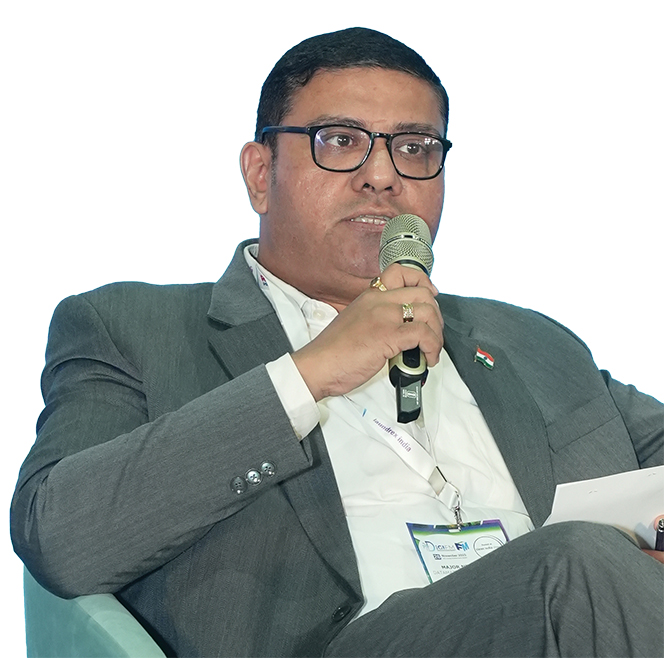
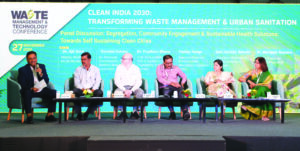
Moderated by Major Nitesh Kala, Head–Corporate Admin at Datamatics Global Services Limited, the discussion centred on aligning technology with human needs to create smarter, healthier and more sustainable workplaces. He underlined that this balance drives resilience and long-term value, emphasising the dual imperative of using digital tools to enhance performance while advancing inclusivity and well-being.

There is a need to boost performance through digital tools while simultaneously enhancing inclusivity and well-being.
— Major Nitesh Kala
Health vs Wealth
Captain Naveen Kumar, General Manager Administration, Crompton Greaves Consumer Electricals Limited, addressed the impact of sedentary lifestyles, poor ergonomics and corporate stress. These factors contribute to cardiovascular diseases, musculoskeletal issues and mental health disorders. Naveen challenged the audience to ponder the priority of health versus wealth.
“Health is more important than wealth because health can fuel wealth, but not the other way around.”
— Captain Naveen Kumar
To combat these challenges, he suggested these preventive measures :
- Work-Life Balance: This is a prerequisite for happy living and physical health
- Adherence to Daily Guidelines: Consistency in healthy habits enhances productivity
- Balanced Nutrition: Timely and nutritious meals are essential for sustained energy.
“Health is more important than wealth because health you can fuel it and that can help you to build the wealth, but not the other way around,” said Naveen.
Managing EQ
While buildings have become excellent at instrumentation — sensors, dashboards, and AI — there remains an inconsistency in managing the human outcomes people feel within.
There is a missing ‘EQ’ (Emotional Quotient) to the building ‘IQ’ (Intelligence Quotient). It suggests that technology is merely the instrument, while human thriving is the ultimate score. To measure this, facility managers should track six Human KPIs:
- 1. Health & Vitality: Conditions supporting energy and well-being (e.g., IAQ and circadian lighting).
- 2. Cognitive Performance: Spaces helping people focus (e.g., quiet zones and reduced micro-distractions).
- 3. Emotional Well-Being: Lower stress through noise control and biophilic cues.
- 4. Social Connection: Touchpoints building belonging (e.g., shared kitchens and terraces).
- 5. Engagement & Satisfaction: Pride in place driven by responsive service and transparent SLAs.
- 6. Resilience & Equity: Fairness in accessibility and thermal comfort across all zones.

Frontline Workforce
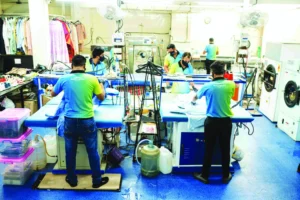
Saji C. Sebastian, Founder & Adviser, FM Future Labs, emphasised that Facilities Management (FM) has the most direct impact on the workforce. “Every decision — from water testing diligence to the chemical composition of reagents — affects people,” he said. Regarding Environmental, Social, and Governance (ESG) criteria, Saji noted several critical observations:
1. Environmental Impact: FM must go beyond quarterly compliance, ensuring the air, water
and cleaning agents support mental and physical health.
2. Social Metrics: Organizations must address gender skewing where frontline workers are often female, but supervisors are male. Furthermore, workers must be groomed and developed as they age to maintain their functionality.
3. Performance Governance: Management often governs ‘time’ (attendance) rather than efficiency or performance, which hinders growth.
Saji shared a case study from Mumbai International Airport where a waterless urinal project succeeded not just through tech, but by connecting with the frontline workers. By explaining that saving water at work could mean more water for their homes, the project achieved 365-day adherence.
“Every decision — from water testing diligence to the chemical composition of reagents — affects people.”
— Saji C. Sebastian
Tech and Fin Performance

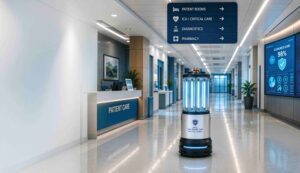
Ralph Sunil, Senior Vice President at JSW Steel, discussed how technology serves as an enabler for cost optimisation. He cited Delhi’s Terminal 3 airport, which uses approximately 30,000 sensors to maintain an ambient climate regardless of external temperatures.
Ralph highlighted that “investment in tech creates a 360-degree benefit for all stakeholders, from clients to contracting agencies”. Indian companies are now investing in:
- Automated Data: Using MIS reports to control electricity bills and Capex.
- Employee Amenities: High-tech gyms (starting at 5:30 am), play areas and flexible “Airbnb-style” seating (hammocks, swings and bunk beds).
- Fragrance Management: Using technology to introduce scents like “ocean blue” to boost oxygen and morale.
“Investment in tech creates a 360-degree benefit for all stakeholders, from clients to contracting agencies.”
— Ralph Sunil
Inclusion & Connection
A recurring theme was the treatment of the “last person” on the frontline. Dilip Lalwani, an audience member highlighted a significant disconnect between high-level facility management and the people executing the daily tasks. He noted that frontline workers often come from tough backgrounds and face long commutes yet are expected to perform flawlessly.
To solve this, Lalwani proposed a shift in leadership style, drawing a parallel to the military:
1. The ‘Barakhana’ Concept: In the Armed Forces, ‘Barakhana’ (a communal meal where all ranks eat together) fosters a sense of family and shared purpose.
2. The Platoon Leader Role: He suggested that FM supervisors act more like platoon leaders — individuals who deeply understand their team’s requirements, pains and personal lives.
3. Beyond the Paycheque: Lalwani argued that while pay is important, a simple “pat on the back” and regular, interaction is more effective for achieving buy-in for initiatives like ESG or energy conservation.
Providers as Partners
Sangeeta Ray, an audience member, expanded on this by addressing the often-strained relationship between occupiers (the clients) and service providers. She observed that occupiers frequently view service providers as mere “vendors” rather than strategic partners.
| Human KPI | Focus Area | Relevant Indian Labour Code Protection |
| Health & Vitality | Conditions supporting energy and physical well-being. | OSH Code, 2020: Mandates free annual health check-ups and sets national safety and health standards. |
| Cognitive Performance | Spaces that help people focus and create. | Industrial Relations Code, 2020: Permits Work-from-Home (WFH) by mutual consent to allow for flexible, focused environments. |
| Emotional Well-Being | Lower stress and easier recovery during the day. | Code on Wages, 2019: Ensures universal minimum wages and timely payments, reducing the financial stress that impacts mental focus. |
| Social Connection | Touchpoints that build belonging and community. | Industrial Relations Code, 2020: Strengthens collective bargaining through Negotiating Unions, ensuring workers have a formal voice in their community. |
| Engagement & Satisfaction | Pride in place and responsive, transparent service. | OSH Code, 2020: Requires formal appointment letters for all workers, providing clear accountability and transparency from day one. |
| Resilience & Equity | Safety, accessibility, and fairness across all zones. | Social Security Code, 2020: Extends benefits to gig and platform workers and covers “commuting accidents,” ensuring protection regardless of job type or location. |
Her key points included:
1. The Last Leg Challenge: More than 80% of the people managing a property come from third-party agencies. If the relationship with these agencies is purely transactional or critical (“your work is bad”), no amount of tech will improve the office environment.
2. Occupier Responsibility: Ray stressed that the responsibility for a healthy office environment does not rest solely on the service provider. Occupiers must actively see and acknowledge the ‘last person’ on the floor.
3. Holistic Health: For the human-tech equation to balance, the occupier must foster an environment that motivates the frontline staff, treating them as an integral part of the organization’s health space rather than an external cost centre.
Frontline Integration
The insights from Dilip and Sangeetha serve as the ‘ground truth’ for the frameworks discussed by the other panellists. For the Human Equation to work, the “Engagement & Satisfaction” KPI must include these frontline workers.
1. For Occupiers: Shift from a “policing” mindset to one of collaborative partnership.
2. For FM Leaders: Implement the “Platoon Leader” model — prioritize the personal connect over the punch-in time.
3. For Policy: Leverage the OSH Code 2020 mandates (like appointment letters and health check-ups) to formalize and dignify these roles, proving to the workforce that they are valued stakeholders in the building’s success.
Human KPIs vs Indian Labour Code Protections
To manage a modern workplace, leaders must align human-centric performance goals with the legal protections afforded to the workforce. The following table maps the six Human KPIs against the relevant mandates within the Indian Labour Codes.
Unified Future
While technology provides the tools, the human element provides the soul. Ralph Sunil noted that a microwave oven at home can never replace the cooking of a mother; similarly, tech must be paired with a human touch.
By shifting from reactive maintenance to a proactive management rhythm- balancing human outcomes every quarter while adhering to modern labour standards — organisations can move beyond efficiency to true resilience.
Compiled by Keerthana Sundar Special Correspondent