
























The Strategic Voice of Modern Procurement
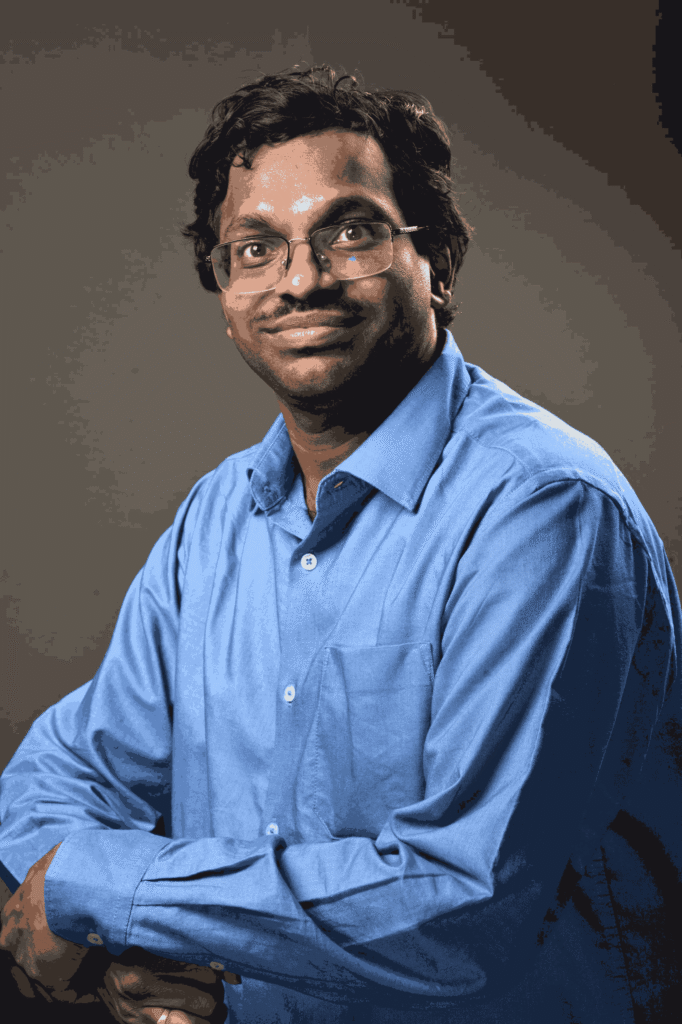
The modern supply chain demands a shift from transactional buying to strategic leadership. By balancing cost, quality, and sustainability, procurement acts as a vital value driver that directly shapes operational efficiency, environmental responsibility, and the ultimate customer experience, writes Vinayaka Gangavathi, Head – Procurement (Projects & Admin) at BigBasket
One of the biggest challenges I faced was maintaining consistency across multiple distribution centres spread across Pan India. Execution often varied by location due to differences in suppliers, service partners, and local operating practices. To address this, we went far beyond negotiating prices.

For sourcing infrastructure, we introduced standardized procurement specifications for critical high-spend Capex categories such as cold rooms, racks, CCTV, fire alarms, IT passive works, and electrical works. For packaging selection, we created a detailed packaging manual for all our materials, including in-depth specifications, artwork, and a quality control checklist. We built detailed logic for every requirement by working closely with the business, operations, quality control, supply chain, and category teams.
As a result, we observed better compliance, reduced operational disruptions, improved hygiene standards, and greater consistency in customer experience across locations. This reinforced my belief that procurement decisions made centrally can significantly influence operational outcomes at the last mile.
Balanced Protection
A practical challenge we encountered was balancing product protection with increasing pressure to reduce packaging costs and environmental impact. In several cases, reducing packaging material resulted in higher transit damages, while excessive packaging increased costs and waste. If a package survives the warehouse, truck, rider, and customer journey, procurement deserves a small celebration.
We worked closely with suppliers to redesign packaging specifications rather than simply reducing material thickness. Through packaging trials, transportation simulations, and field feedback, we optimized material usage without compromising product protection.
In one packaging category, the business wanted to improve sustainability by reducing plastic usage. However, initial trials resulted in higher product damage and increased returns. Instead of implementing a blanket reduction in packaging material, we conducted field trials with multiple suppliers, tested different material combinations, and analysed product damage rates. The final solution reduced material consumption while maintaining product protection standards.
Supplier Partnership
One lesson I learned early in my procurement career was that selecting a supplier solely based on the lowest cost often creates larger problems later. We should always work on Total Cost of Ownership (TCO). In procurement, choosing a supplier is a bit like choosing a marathon partner—you discover their true capability after the race begins.
During a period of rapid expansion, we faced challenges with suppliers who offered competitive pricing but struggled to scale operations and maintain service levels. Delays in supply impacted project timelines and operational readiness. Since then, our evaluation framework has evolved to include quality systems, financial stability, scalability, service responsiveness, innovation capability, and sustainability practices in addition to commercial competitiveness. Today, supplier reliability and long-term partnership potential often carry equal weight to pricing.
We also built a strong supplier positioning model with different strategies across four distinct quadrants:
- Strategic Quadrant: High value, high risk categories like cold rooms, racks, and fresh produce packaging pouches, where we focus on long-term, win-win relationships.
- Bottleneck Quadrant: Low value, high risk items like OEM spare parts and customized packaging requiring mould development, where we focus on supplier development over time.
- Leverage Quadrant: High value, low risk items with strong market competition, such as fabrication, electrical works, and corrugated boxes.
- Routine Quadrant: Low value, low risk items like stationery, housekeeping, and utility bills, managed through rate contracts, reverse auctions, and automation.
Procurement is no longer measured only by what it spends, but by the business outcomes it enables”— Vinayaka Gangavathi
Digital Evolution
One of the significant transformations I have witnessed has been the shift from spreadsheet-driven procurement planning to technology-enabled decision making. Before technology, procurement spent time finding data. Today, the challenge is finding meaning in that data.
In a previous phase of operations, we procured by placing purchase orders via Excel, Word, and PDF files stored in Google Drive and sending them to suppliers via individual email communication. This gave us limited visibility into spend patterns and supplier performance, often leading to reactive procurement decisions.
To resolve this, we invested in technology for the procure-to-pay process, including a dedicated supplier portal that features digital procurement workflows, automated approval processes, and spend analytics. Looking ahead, I believe AI-powered demand forecasting and supplier risk monitoring will be among the biggest game changers for procurement leaders.

Value Creation
One practical challenge in sustainability initiatives is balancing environmental goals with commercial realities. Sustainable alternatives are often associated with higher upfront costs, making adoption difficult during budget discussions. Sustainability becomes much easier when waste is treated as a resource waiting for its next job.
In one initiative, we evaluated alternative packaging materials with improved recyclability. Rather than focusing solely on material cost, we assessed total lifecycle impact including waste reduction, logistics efficiency, and customer perception. This broader evaluation helped build a stronger business case and secure stakeholder support.
Also Read –
- Why Healthcare Procurement Can No Longer Be Driven By Cost Alone
- Beyond Lowest Cost, Towards Lasting Value
- The Death of the Lowest Bid Why Cheapest is a Liability, not KPI
- Not All Low Bids Are Bargains, Some Are Warnings
- Procurement Beyond Purchasing: Enhancing Resident Experience in Managed Living
Future Vision
I would like to see greater adoption of AI-driven forecasting tools, predictive maintenance solutions, smart packaging technologies, and integrated visibility platforms that connect suppliers, warehouses, and logistics networks in real time. Such innovations will improve efficiency and help organizations become more resilient in managing demand fluctuations, supply disruptions, and sustainability objectives.

Budget Optimization
Budget constraints are a reality in every organization and often become more pronounced during periods of rapid growth or economic uncertainty. One approach that has consistently delivered results is shifting the conversation from cost reduction to value optimization.
Instead of asking suppliers for repeated price reductions, we focus on specification optimization, process improvements, demand consolidation, and long-term partnerships.
Throughout my procurement journey, the role has evolved significantly from transactional buying to strategic business leadership. Today’s procurement leaders must balance cost, quality, sustainability, innovation, and risk management simultaneously. The future belongs to procurement teams that leverage technology, build strong supplier partnerships, and create value beyond savings. When everything runs smoothly, nobody talks about procurement. That’s usually the biggest compliment we can receive.