





















Goa’s Digital DRS Experiment
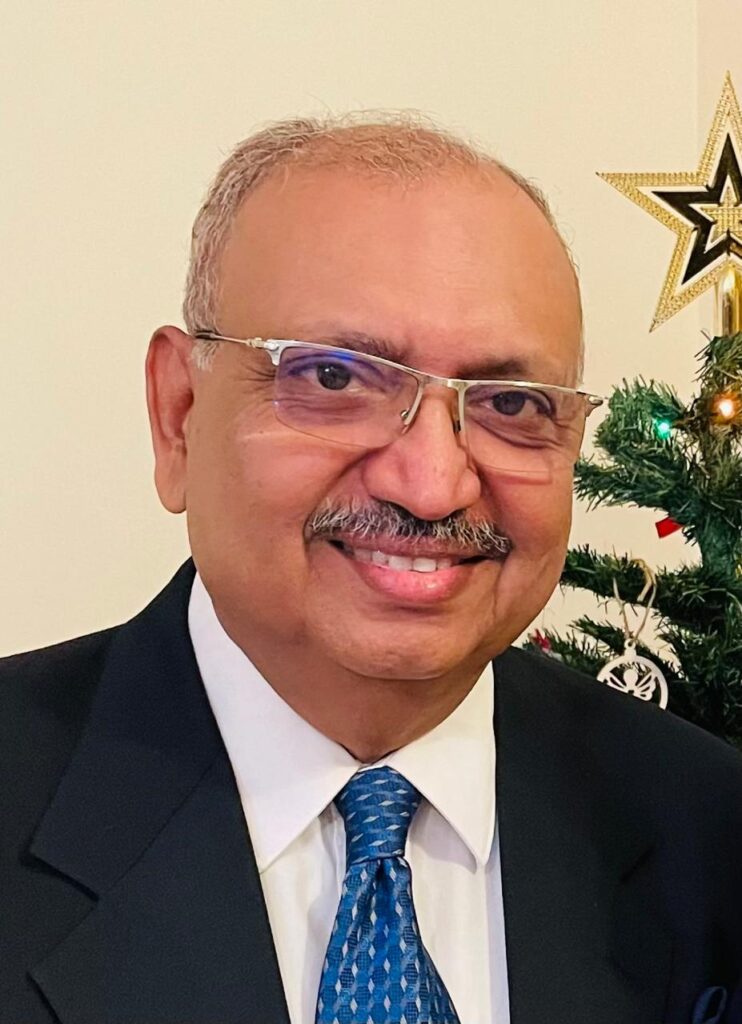
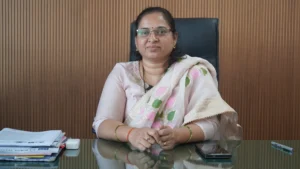
As Goa prepares to launch India’s first state-wide digital Deposit Refund Scheme, Dr. Anthony De Sa, Chairman of the Goa DRS Authority, explains to Clean India Journal how the initiative aims to transform waste recovery, improve traceability and strengthen Extended Producer Responsibility compliance.
A plastic bottle left behind at a beach shack. An empty juice carton discarded after a road trip. A multilayered package tossed aside during a holiday. In Goa, where millions of tourists pass through every year, such everyday waste has long posed an outsized challenge. But what if every discarded package carried a value—and a digital trail back into the recycling system?

Goa is preparing to roll out what is being described as the country’s first state-wide digital Deposit Refund Scheme (DRS), an ambitious initiative designed to incentivise waste recovery while bring unprecedented traceability to post-consumer packaging.
Over six months, experts worked on developing a self-sufficient framework. “Extensive consultations were held with industry representatives, NGOs and citizens, resulting in multiple refinements before the proposal was finalised and republished,” said Anthony.
After a two-stage evaluation process involving both technical and financial assessments, Hyderabad-based company Recycle was selected as the system operator. Once the operator was selected, the committee was transformed into a formal authority.
The Start
The initiative took shape around a year and a half ago when the Goa government began exploring a scheme that would extend beyond conventional bottle-return programmes. The ambition was broader: to create a framework that could also cover materials such as multilayer plastics, which continue to pose significant challenges for waste management systems.
To develop the model, the government constituted an inter-departmental committee chaired by Anthony, who is a Goa native who retired as Chief Secretary of Madhya Pradesh and later served as Chairman of the Real Estate Regulatory Authority in the state. “Representatives from different departments including tourism, urban and rural welfare, panchayats, excise, weights and measures and others were brought together,” said Anthony.
The government’s only condition for the committee was to design a system that could function without imposing an additional financial burden on it.
Self-Sustainable
The financial architecture of this scheme has been designed to ensure that neither the government nor consumers bear additional long-term costs. The authority’s operational expenses will be supported through registration fees paid by participating industries. Micro, small and medium enterprises below a specified threshold remain exempted from the scheme.
The system operator’s incentives have also been structured differently. Rather than benefiting from deposits paid by consumers, its revenue is expected to come primarily from the waste it collects and from facilitating EPR certificates for participating industries. “We decided that if the system operator was given a stake in the quantum of waste collected, we have straight away put him on the path to success,” said Anthony.
In the EPR certificates revenue scheme, the system operator would facilitate it for industries based on the quantity of waste collected and channelled to authorised recyclers in accordance with Government of India guidelines. “The financial bid, therefore, focused on a single question: How much would the operator charge industry per tonne for generating EPR certificates across different material streams, including glass, aluminium and multilayer plastics,” said Anthony.
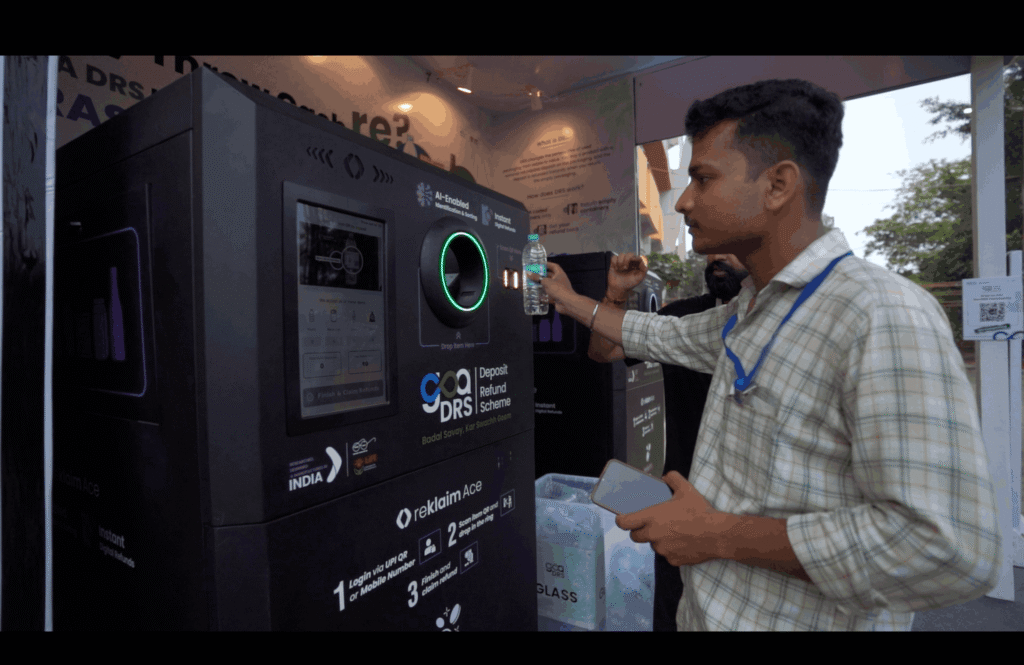
Recycle had previously undertaken similar initiatives in Himachal Pradesh and Uttarakhand. “Although Goa’s model would be the first of its kind at this scale, the committee considered the company’s prior experience relevant. We also visited the firm’s Hyderabad facilities to assess its capability to manufacture reverse vending machines (RVMs) and handheld devices,” said Anthony.
Recycle also had to undertake extensive public awareness campaigns. “To support these activities, we will draw our income from registration fees charged to industry participants whose products are covered under the DRS. Registration is mandatory for eligible companies, with fees ranging from ₹10,000 to ₹1 lakh depending on turnover. MSMEs with investments of up to ₹10 crore have been exempted from the scheme,” the official explained.
A third stream of income that might emerge is through unredeemed deposits. “Ideally, every deposit should be claimed by consumers, but there will always be unredeemed deposits due to various reasons,” added Anthony. “Yet, consumers will be able to claim it up to six months after the expiry date of a product.”
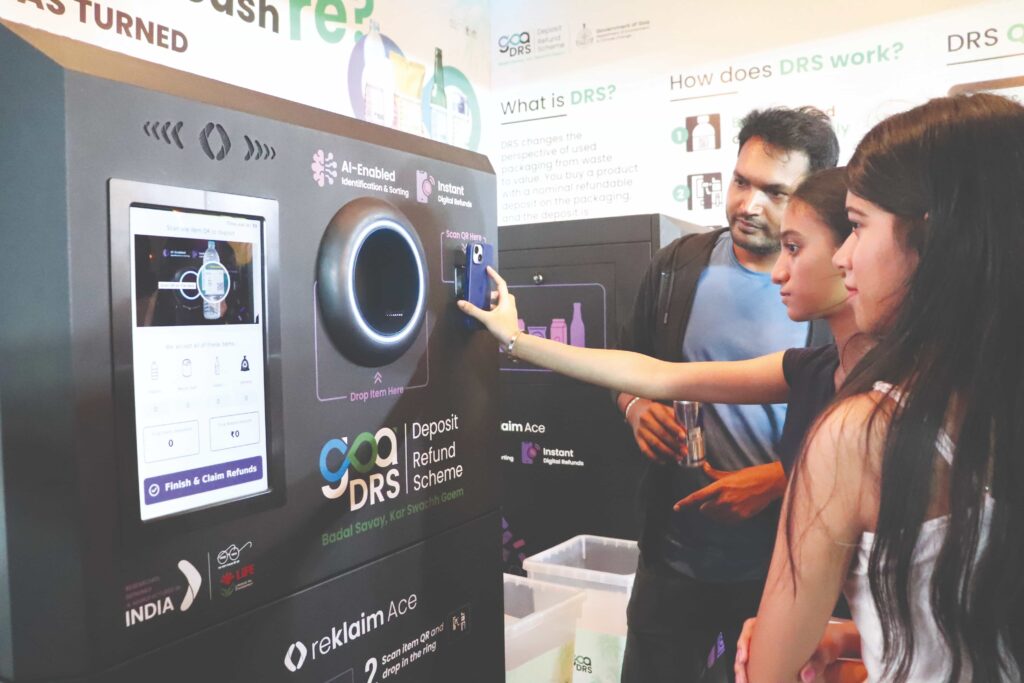
Though it sounds complicated, Anthony explained that the digitally-enabled system based on QR-coding makes it much simpler.
The government has already outlined how such funds will be utilised. “Up to 30% of this amount can be set aside to reimburse the system operator for approved activities. This is particularly relevant because the Goa DRS requires the integration of the state’s existing waste management ecosystem, including NGOs, smaller collection agencies and rag pickers. We want to integrate them in this system and not snatch away their incomes,” the official said.
Another 30% of the unredeemed deposits will be directed towards strengthening waste management infrastructure managed by municipal bodies and panchayats. “An unredeemed product does not disappear simply because it is not returned through the DRS. However, the packaging still enters the environment and has to be collected by local bodies. While the system is expected to significantly reduce litter, municipal authorities and panchayats will continue dealing with waste streams that fall
outside the DRS framework,” added Anthony.
The remaining 40% of the amount will be used for ongoing public education and awareness programmes.
Four to five states have studied the framework, examined the draft RFPs and held discussions with the state on implementation. The Government of India has also shown interest, while NITI Aayog has already received a presentation on the initiative”— Dr. Anthony De Sa
Rolling It Out
Goa is also focused on ensuring that the system is rolled out in a phased – four — and accessible manner across the state.
“While the first will be the easiest covering liquor packaging, the second phase will include all other beverages, including products sold in cans, bottles and multilayer packaging such as milk and fruit juice cartons. The third phase will bring food packaging under the system, and the final one will cover non-food products such as toothpaste and similar items,” he explained.
The authority has proposed a three-month gap between each phase. “If implemented as planned, the entire rollout could be completed within nine months. However, the schedule will require government’s approval before the authority can formally notify the dates,” the expert added.
Once those dates are approved, public outreach efforts are expected to intensify. “The first question that everybody asks is how much the deposit is and from what date will it start. While awareness campaigns have already begun, our communication efforts will become more aggressive once the rollout timeline is finalised,” he added.
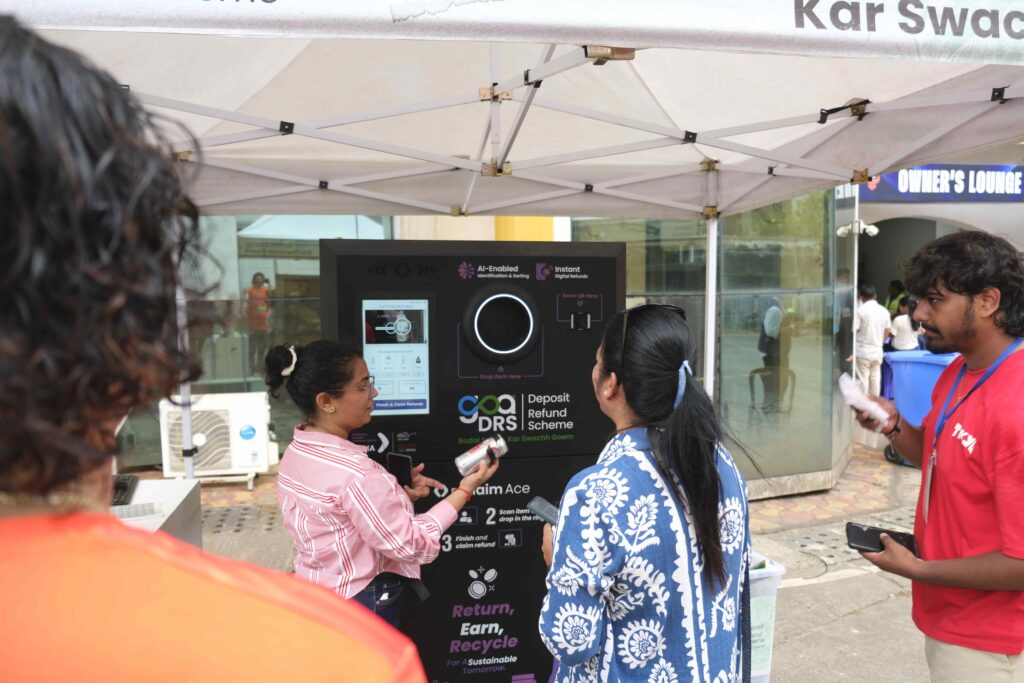
Recycle is also developing a mobile application that will be available for free download. One of its primary functions will be helping consumers locate the nearest return point. “Products can be returned anywhere in the state,” said Anthony.
With 191 panchayats and 14 urban areas spread across the state, accessibility has been a key consideration in the design of the collection network. The system is expected to begin with around 350 reverse vending machines (RVMs), a number that could increase to nearly 500 within two years.
In addition, around 50 manned return centres will be established across the state. “These centres will cater not only to people who may be uncomfortable using RVMs but also to those returning larger containers, such as five-litre oil cans, that may not
fit into automated machines,” said Anthony.
He further informed that these centres would serve another purpose too. “Certain non-DRS materials will be accepted and purchased at fixed rates. Apart from this, items like newspapers, cardboard, glass bottles, plastics which are not yet covered under the deposit scheme can still be sold through these centres. This feature would help remove additional waste from the environment,” the expert stated.