







 CIJConnect Bot-enabled WhatsApp today at 4:00 PM.
 From yesterday’s paper checklist outside public washrooms in an airport or an office complex that gave the cleaning schedule, the FM services have moved on to digital recording by wireless sensors.
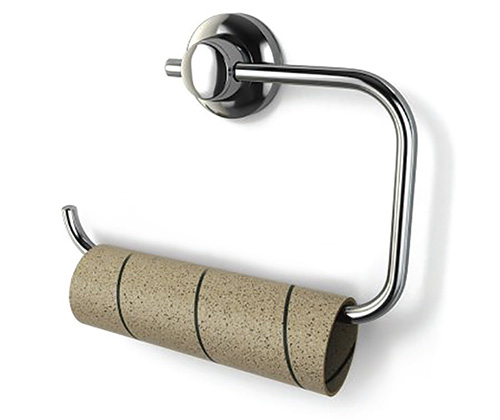
Internet of Things enables one to digitally record the number of people who have used the washroom since it was last cleaned or the amount of toilet paper left on the towel roll or the status of the trash cans. Bringing intelligence to washroom cleaning with an array of sensors installed around the toilet enables increased productivity, improved service quality and enhanced customer experience.

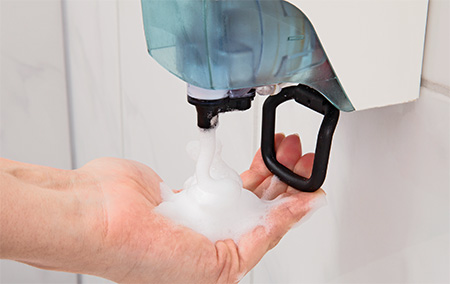
In India, though we understand these benefits of new technology, the implementation is hard to see. The overflowing waste bin often has wait till the scheduled 6pm to be emptied or the soap dispenser go without soap when there is extra traffic in an airport washroom area.
It is time we make a transition from servicing as per schedule on paper to service as per demand.
Even if the cleaning schedule is being adhered to as per the checklist, it does not take into account the usage, and emergency cleaning needs of the washroom; e.g. if a dustbin is scheduled to be emptied at 6pm, the cleaner will perform this only at that time, regardless of whether it has been overflowing for hours before that. The checklist only ensures that a task has been completed, and does not take customer experience into account at all.
Sensors have revolutionized washroom cleaning and maintenance. Instead of blindly following a schedule set in stone, cleaning teams respond to the constantly evolving cleaning needs of washrooms when alerted by real-time data from sensors, about the need for cleaning, or replenishing washroom supplies. While earlier, cleaning teams had to move from toilet to toilet, wash basin to wash basin, technology now rationalises the amount of time and effort that needs to be spent, by tracking usage.
Tracking traffic
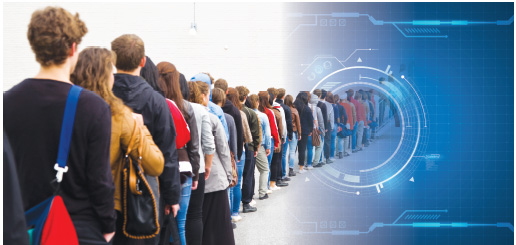 Everyone agrees that large facilities like airports see a lot of footfall; so, do their washrooms. But how can an efficient cleaning regimen for the latter be designed without knowing exactly how many patrons visit them?
Sensors attached to the washroom door, or to the door of each toilet can provide reliable data on the number of people using the washroom, and break down the traffic trends on a monthly, weekly, daily and hourly basis. For example, in an Indian commercial facility, more people might visit the washroom at the end of each financial year when most companies are involved in high-level meetings, while this number may trickle off in summer, when many employees travel for vacations with their families. Consequently, more frequent cleaning is mandated in the first scenario, while the same intense vigilance is unnecessary in the second situation.
Transmitting their data back via secure channels to a common dashboard, the facility management team can also track specific trends such as which washroom in the facility is most frequently used, which toilet is most frequented and which ones are avoided, are there any washrooms that are barely used and which can be shut down to better use the same space?
Isolated spikes in usage such as mealtimes, or regularly scheduled events can provide a predictive analysis to the manager, so that he can prepare for future spikes well in advance.
We want to add value,” says Austrian hygiene specialist Bernert. “We used to sell paper, now we sell expertise.”.
Better management of staff
 At the moment, most facilities have a strictly defined washroom cleaning schedule, under which the staff enters and cleans the washrooms at the appointed times, and hopes that in the period between such cleanings, no water is spilled, no toilet is dirtied and toilet paper does not run out. This is an inefficient and outdated system of maintenance. Data from sensors can alert staff to middleof- the-day events that require immediate rectification, thus shifting the regimen from time-based to need-based. Managers can effectively deploy their staff to tackle such events.
On the other hand, if the data indicates that a particular toilet hasn’t been used all day, there is no need for the staff to check it for hygiene, or disinfect it, or replace the toilet roll. Human resources can be directed towards where they are most needed. A higher-end tech-driven system can not only detect the need for cleaning, but also automatically disinfect a toilet seat when it does so, thus reducing the need for manual intervention.
Facility management companies and their clients need to agree about the number of users a washroom has before it is cleaned. When this number is reached, an alert is sent to the nearest cleaning representative, who promptly arrives at scene and gets to work. His response time can thus be tracked, and he can use his own device to confirm that the task has been completed. This evidencebased tracking thus offers far more oversight than signatures on a paper stuck to a wall.
A Cloud-based management system provides a framework for individual employees to be alerted to a cleaning task, for them to mark a task as completed, and for the manager to be aware of the status of each washroom. An additional benefit is that the staff is less stressed and more motivated since it knows exactly what needs to be cleaned, when and where.
Saving on costs
 In India, manpower still plays a major role in washroom maintenance. Hence, salary costs constitute a major chunk of the expenditure on washroom maintenance. By using data to improve productivity and efficiency, the size and working hours of the cleaning team can be rationalised, helping increase the margins of facility management companies.
Cleaning services can thus be flexible according to actual usage, ensuring that facility management remains competitively priced throughout the contract period.