









 CIJConnect Bot-enabled WhatsApp today at 4:00 PM.
[box type=”shadow” ]Aquatic habitats are important constituents of natural ecosystems whether they are freshwater, estuarine or marine in nature. A wide diversity of vertebrates and invertebrates along with several plant species from algae to angiosperms are common biodiverse constituents of any dynamic aquatic ecosystem model. Aquatic habitats across the planet are now facing serious challenges for their virtual existence, says Saikat Kumar Basu, Lethbridge AB Canada.[/box]
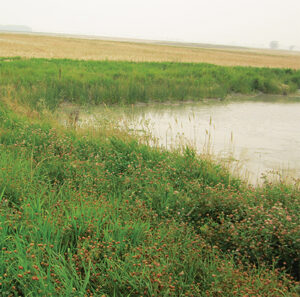 It is quite unfortunate to note that several aquatic habitats across the planet have been damaged beyond any possible ecological repairing or restoration.

Not only different are aquatic habitats vanishing rapidly across the planet; but, also is a huge diversity of biological species along with them in terms of important microbes, flora and fauna directly or indirectly dependent on those aquatic ecosystems.
An important environment-friendly as well as sustainable (green) approach or model for protecting freshwater aquatic habitats could be through Establishing Integrated Aquatic Habitats for Bees, Birds and Fishes (IAH-BBF). This is an Integrated Ecosystem Development Model (IEDM) in which conservation of species from various trophic levels existing within an aquatic ecosystem could be targeted simultaneously. Different natural as well as artificial freshwater aquatic habitats like ponds, pools, lakes, swamps, bogs, ditches, low lying inundated areas, low salt pans, meandering streams, slow moving sections of tributaries and distributaries, all could be very easily and successfully targeted for IAH-BBF.
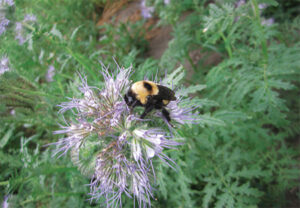 The integrated Bees, Birds and Fishes Conservation Model (BBFCM) is a new, excellent and innovative approach for successful conservation of both natural and artificial aquatic habitats. An aquatic habitat can be utilized therefore for targeting the successful conservation of various terrestrial insects such as natural pollinators like native bees, honey bees, moths, butterflies, some pollinator species beetles and flies; as well as several aquatic insects. A well protected and well fish stocked aquatic habitat is bound to attract a wide diversity of freshwater aquatic birds for both foraging as well as nesting. Aquatic vegetation, bird droppings, leaf litter, insect larvae as well as adult insects together with some artificial fish food added to the water will help both the indigenous and introduced fish populations in the aquatic habitats to thrive together with the birds and bees.
It will be however important to build the plant populations along such natural or artificial water bodies by introducing or planting some pollinator friendly annual and/ or perennial legume-grass mixes to attract pollinator insects and other land birds to forage and nest in this attractive and dynamic ecosystem.
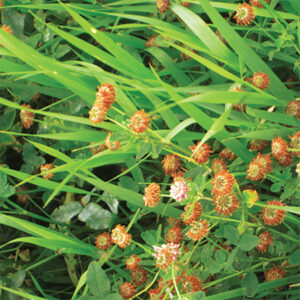 Legumes incorporated in the Pollinator Mix will help building the pollinator insect populations around the aquatic habitats; and at the same time help in enriching the soil in natural nitrogen without the application of synthetic nitrogen fertilizers. The grasses in the mix on the other hand will help in creating bird habitats and will also prevent soil erosion along the edges of the aquatic habitat. Short and tall grasses and even native grasses and wildflowers could also be incorporated in the mix depending upon the agro-climatic conditions of the FPT. For areas impacted with salinity related issues; salt tolerant grasses could be incorporated in the Pollinator mix for the purpose of phytoremediation. A diverse Pollinator mix with varied flowering regime (early-, midand late-) will be more attractive to a widely divergent species of pollinator insects like bees and will also attract land birds in significant numbers over time.
There is a huge opportunity for the integrated BBFCM to be successful at multiple levels; if executed properly and managed scientifically.